




















































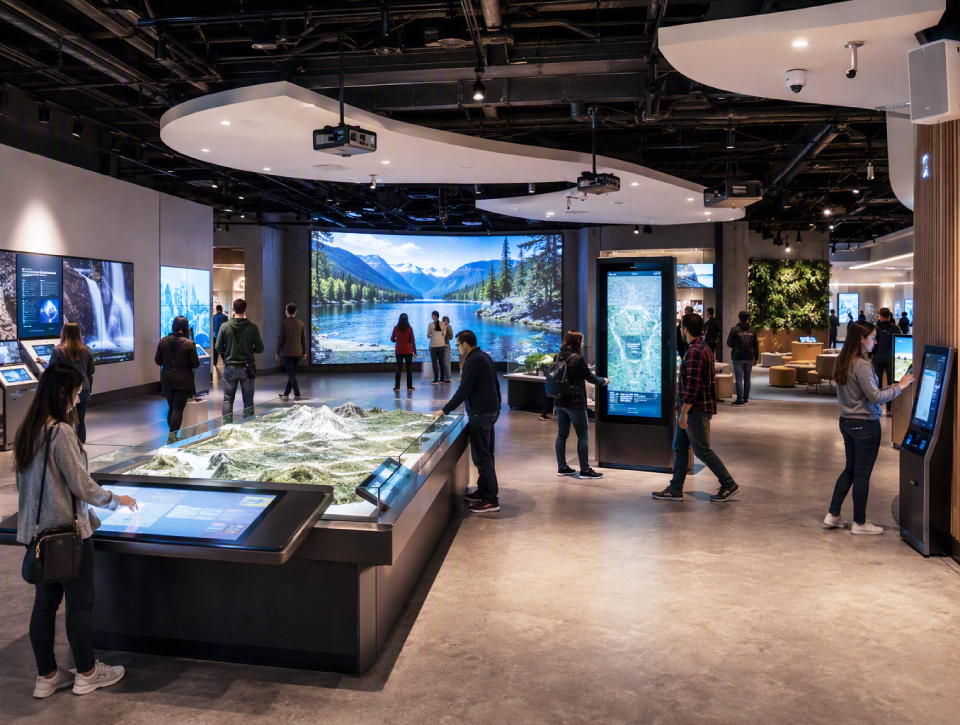
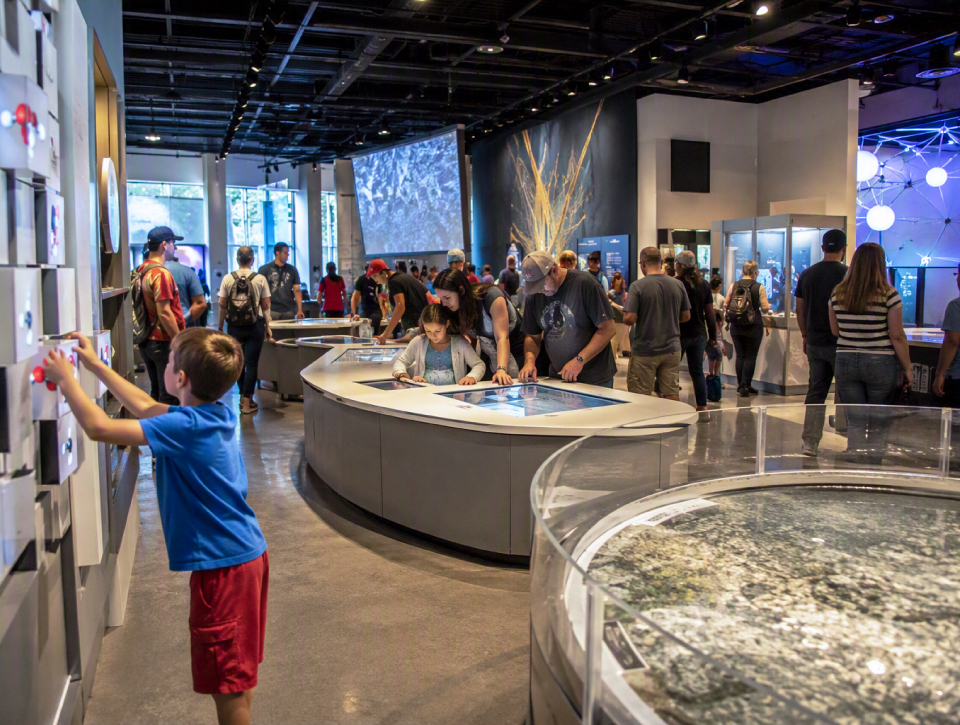

Interactive Experiences
Homepage > Experience Technology > Interactive Experiences
Experience Technology Solutions
Interactive Experiences for Active Audience Engagement
Modern audiences increasingly expect more than passive communication. Whether in retail, corporate, educational, or public environments, organizations are looking for ways to encourage participation and create stronger connections with their audiences. This shift is driving demand for experiences that are engaging, personalized, and memorable.
Integrate Systems
What is an Interactive Experience?
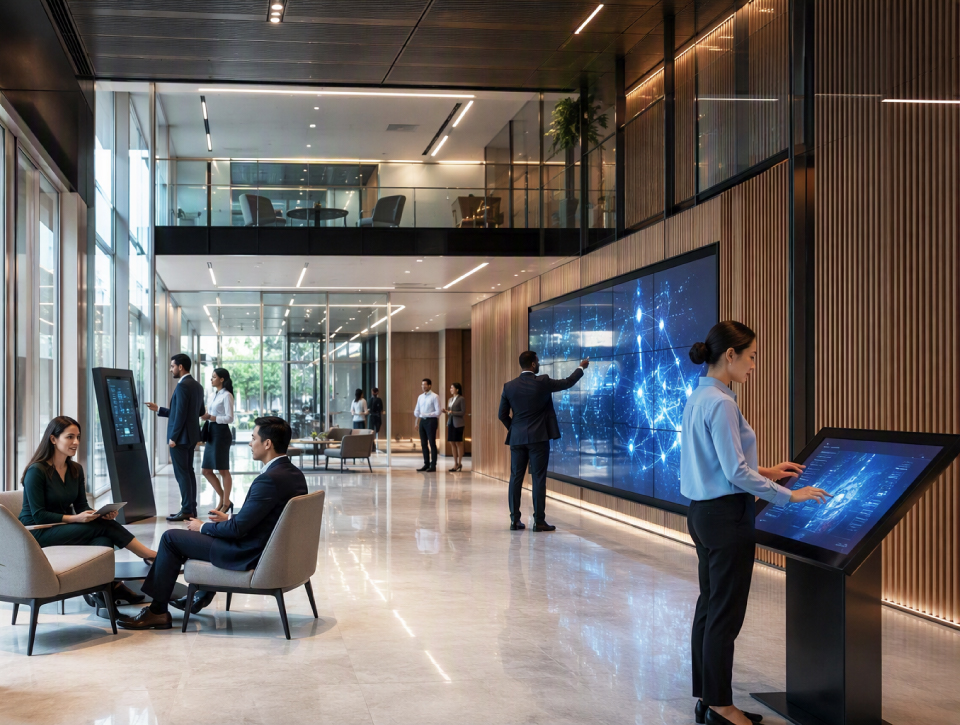
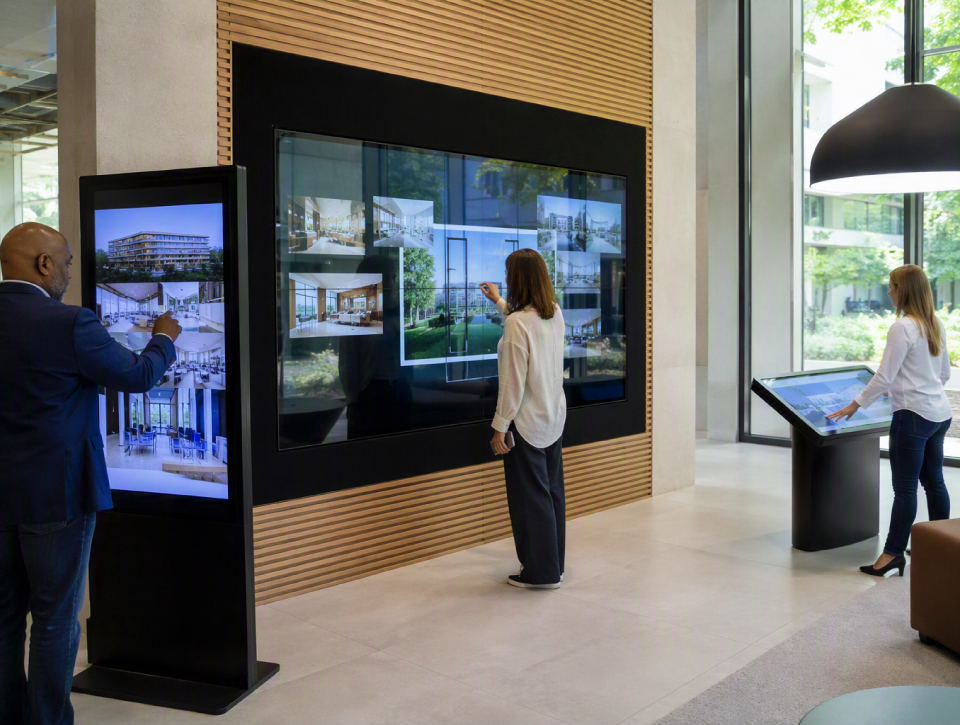
An interactive experience is a technology-enabled environment that responds to user actions, allowing audiences to actively engage with content through touch, movement, gestures, sensors, or other interaction methods.
- Increase audience engagement
- Encourage active participation
- Generate visitor interaction insights
Engagement Benefits
Why Organizations Choose Interactive Experiences
Increased Audience Engagement
Encourage visitors to actively participate rather than simply observe content.
More Memorable Experiences
Create experiences that increase recall, emotional connection, and visitor interest.
Measurable Interaction Data
Understand how audiences engage through analytics, interaction tracking, and behavioral insights.
Flexible Content Management
Update, expand, and evolve interactive content without replacing the underlying technology platform.
Technologies That Power Interactive Experiences
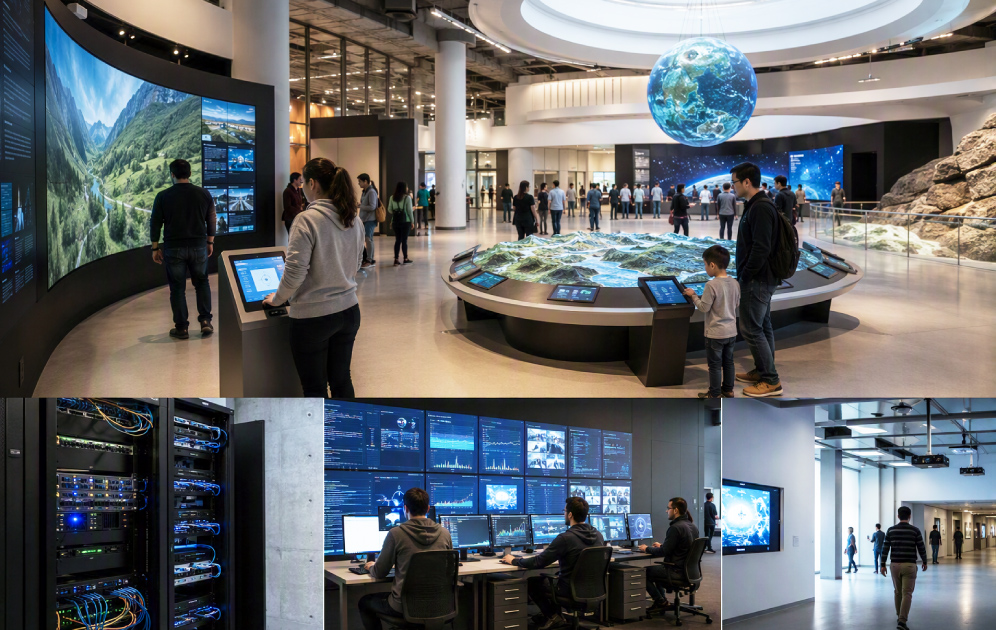
Interactive experiences combine display technologies, interaction platforms, content management systems, sensors, and supporting infrastructure to create engaging and responsive environments.
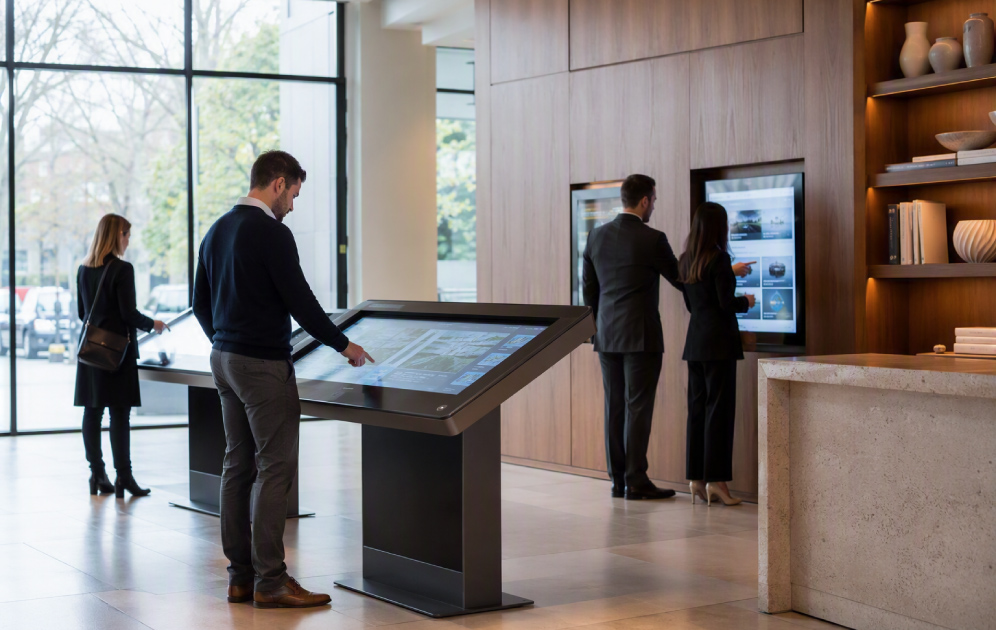
Visual technologies provide the primary interface between users and digital content.
- Interactive Touchscreens
- Interactive Kiosks
- Multi-Touch Displays
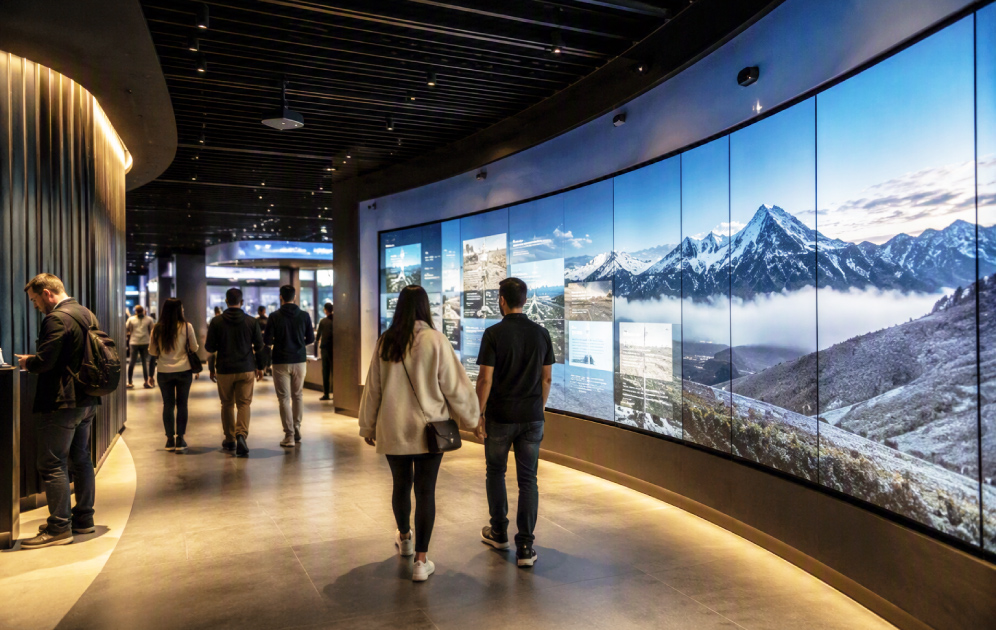
- Interactive Video Walls
Interaction technologies allow users to engage without relying exclusively on touch.
- Gesture Recognition Systems
- Motion Tracking Technologies
- Sensor-Based Interactions
- Touchless Experiences
Interactive environments can extend beyond displays into the surrounding physical space.
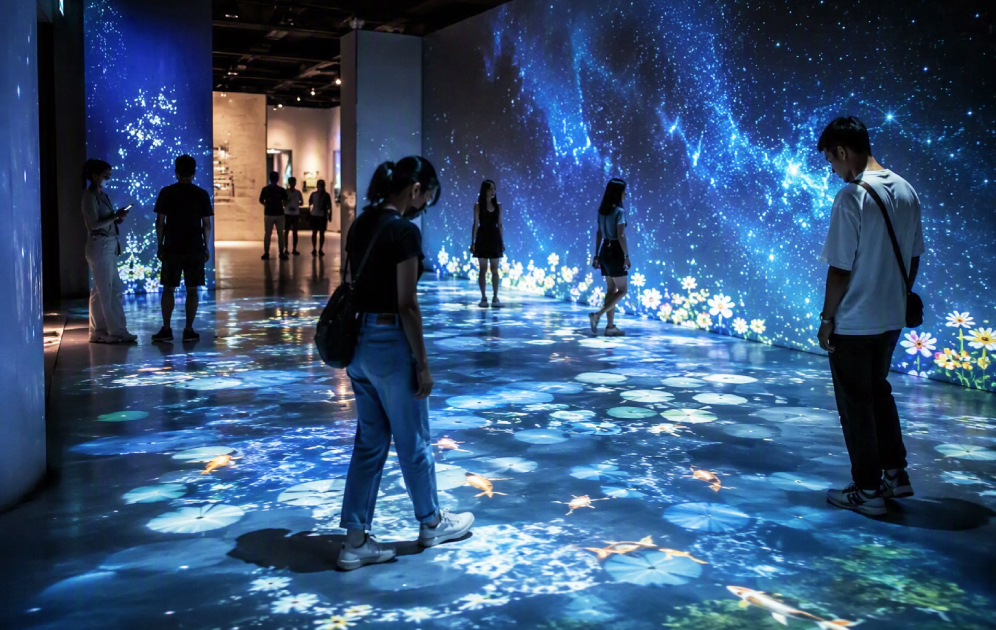
- Interactive Wall Projections
- Interactive Floor Projections
- Spatial Interaction Systems
- Environmental Response Technologies
Personalization systems help create experiences tailored to individual visitors and user groups.
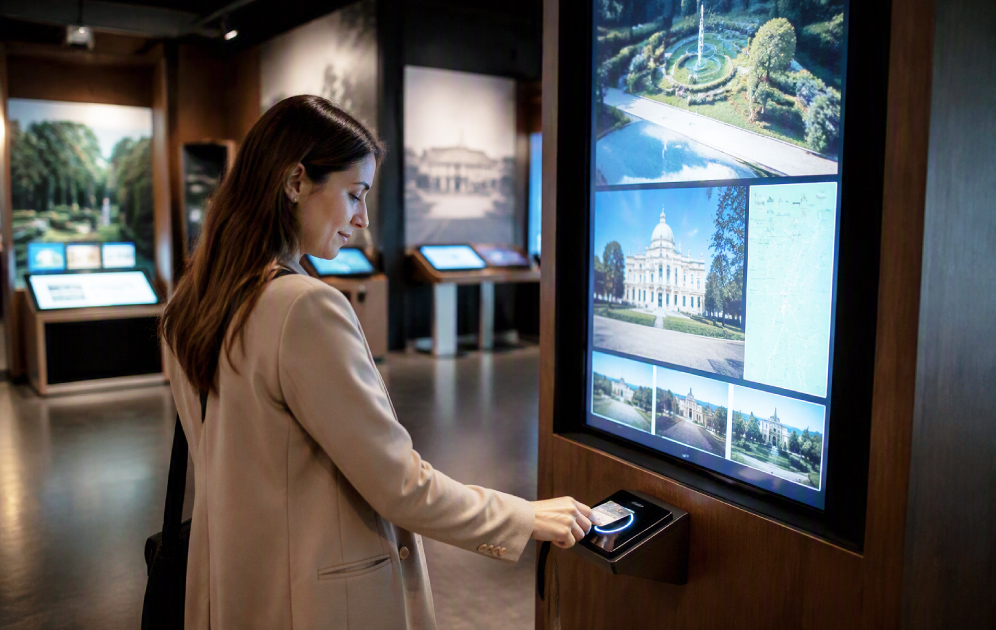
- RFID Integration
- NFC Technologies
- Visitor Identification Systems
- Personalized Content Delivery
Software platforms coordinate interactions, content delivery, and ongoing experience management.
- Content Management Systems
- Interaction Platforms
- Experience Management Software
- Content Scheduling Tools
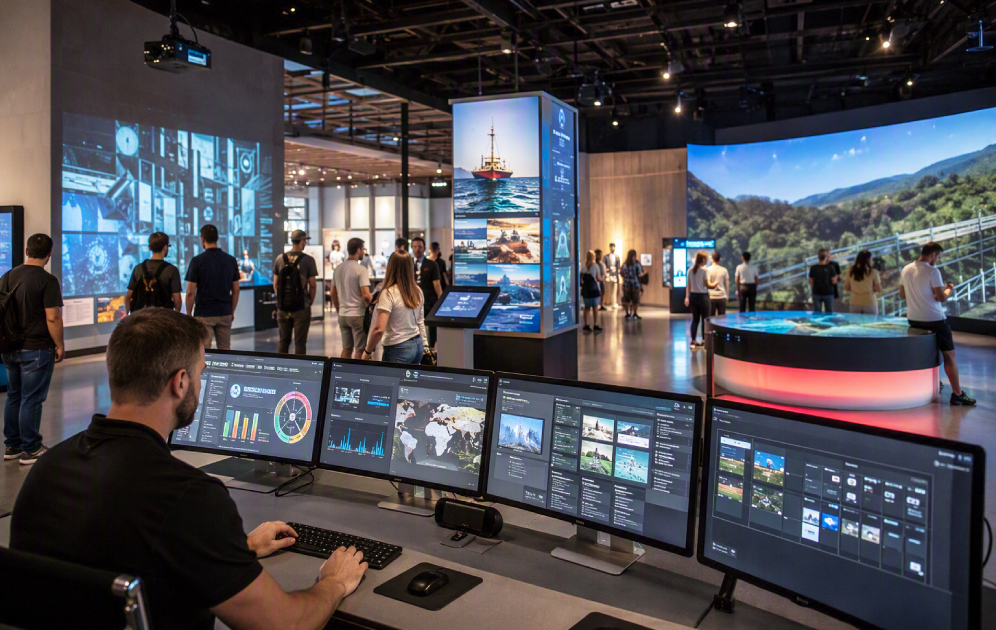
Supporting technologies help organizations monitor engagement and maintain reliable operation.
- Visitor Analytics Platforms
- Engagement Tracking Tools
- Network Infrastructure
- Control & Automation Systems
Technology Partners
Collaborating With Industry-Leading Technology Manufacturers


AV/IT System Integration
End-to-End Solutions Design by ELTEK Integrate
ELTEK Integrate manages interactive experience projects end to end, aligning interaction design, sensor and display technology, content strategy, and long-term support.
Our approach includes:
- space and audience assessment
- interaction design based on engagement goals and visitor flow
- touch, motion, sensor, and display technology selection
- content management and interaction software integration
- network, power, and cable management planning
- installation, calibration, testing, and user guidance
- ongoing content refresh and technical support
Value & Differentiation
Why Interactive Experience Design Matters
An interactive experience is not just a touchscreen bolted onto a wall. Its value depends on how naturally people discover it, how reliably it responds, and how the content actually rewards engagement once someone tries it.
Get it wrong and interactive installations sit unused — visitors don’t realize they can interact, or the technology responds unreliably enough that people give up after one try. Get it right, and the experience becomes something visitors actively seek out, engage with, and remember long after they’ve left.
That’s the gap ELTEK Integrate closes: bringing interaction design, sensor and display technology, and content strategy together so interactive experiences actually get used the way they were designed to be, not left as impressive technology nobody discovers.
Interactive Experiences
Typical Use Cases
Interactive experiences can support a wide range of engagement-driven scenarios:
Retail Product Discovery
Interactive displays letting customers explore product details, options, and availability in-store.
Museum & Exhibit Engagement
Touch and motion-based interactions that deepen visitor engagement with exhibits.
Corporate Showcases
Interactive brand experiences for client visits, showrooms, and innovation spaces.
Event Activations
Engaging installations designed to create memorable, shareable moments at events.
Wayfinding & Information Kiosks
Interactive touchpoints helping visitors navigate and access information.
Educational Installations
Hands-on interactive content supporting learning in schools, science centers, and public spaces.
Brand Experience Centers
Immersive, interactive environments showcasing a brand's products or story.
Public Space Engagement
Interactive art and installations activating public plazas, lobbies, and shared spaces.
Frequently Asked Questions
Interactive Experiences FAQs
What is an interactive experience?
Interactive experiences may include touchscreens, kiosks, gesture recognition systems, motion tracking technologies, interactive projections, RFID integrations, content management platforms, and analytics tools.
Where are interactive experiences commonly used?
Interactive experiences are commonly deployed in retail environments, museums, visitor centers, brand experience spaces, corporate showrooms, public venues, educational environments, and event activations.
Can interactive experiences collect engagement data?
Yes. Many interactive environments can track user interactions, dwell time, content popularity, navigation paths, and other engagement metrics that help organizations understand audience behavior.
How are interactive experiences managed after deployment?
Interactive experiences can be connected to content management and monitoring platforms that allow organizations to update content, maintain functionality, and support long-term experience management.
Why is professional interaction design important?
Successful interactive experiences depend on user behavior, content strategy, technology reliability, accessibility, and interaction flow. Technology alone does not create engagement without thoughtful experience design.
Need Additional Information?
If you require additional technical details or project‑specific information, our team is available to provide clarification and guidance.
Our number
+40 21 200 64 55
Our Email
Contact
Let’s Discuss Your Technology Requirements
Insights & Articles
Insights On Experience Technology
Is your AV a cybersecurity risk? NIS2 for meeting and control rooms
Every camera, codec and video wall controller on your network is an IT asset. Under NIS2, it is treated like one.
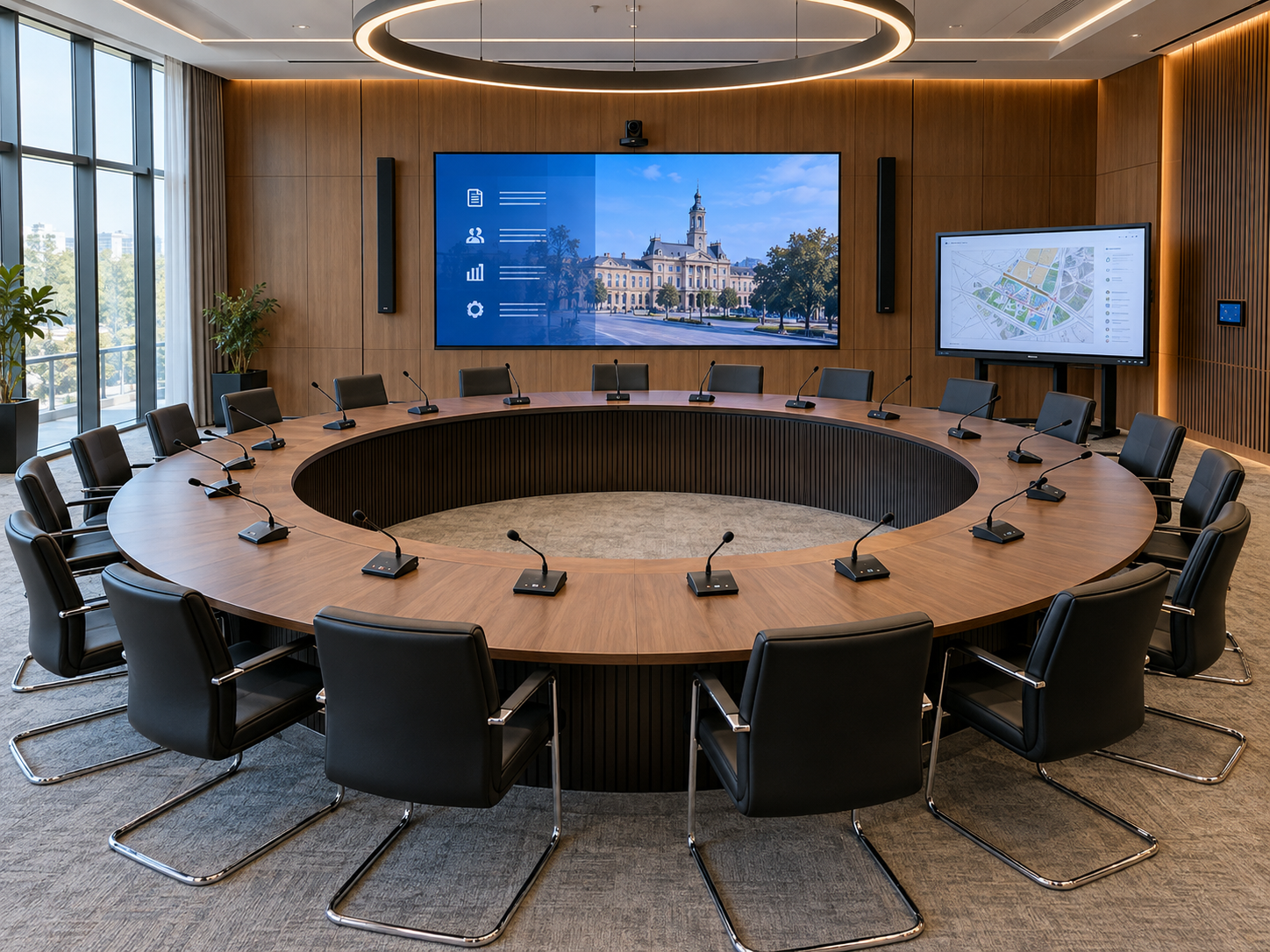
Conference systems for council chambers: a planning guide
Every word on the record, every vote counted, every citizen able to follow.
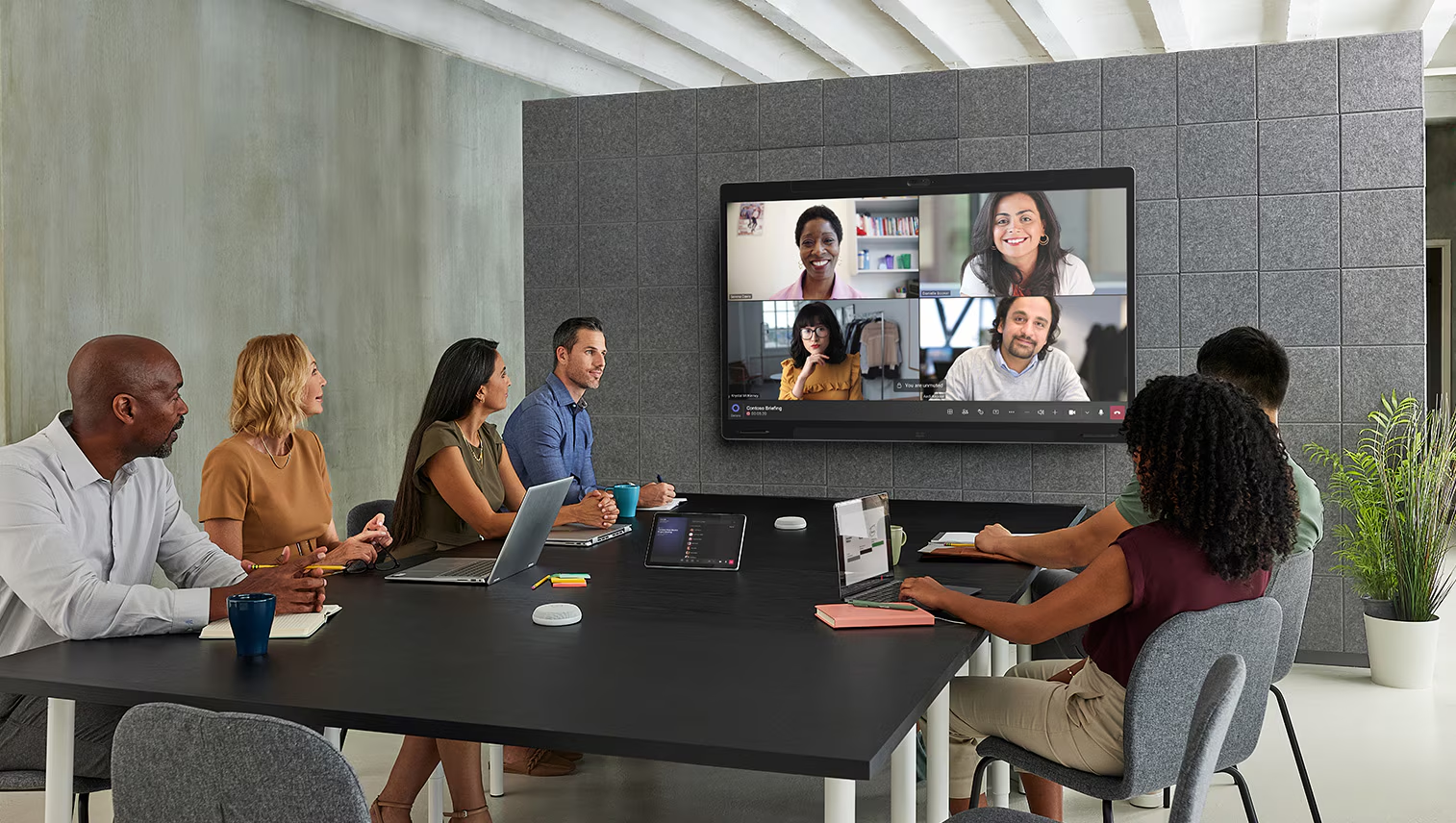
Why meeting rooms fail users: a 10-point technology checklist
Most room failures start at the design stage.
Be the First to Know — Subscribe Today!
Stay up to date with the latest insights, industry trends, company news, upcoming events, and valuable resources delivered directly to your inbox.
 LinkedIn | Youtube | Facebook | InstagramÂ