




















































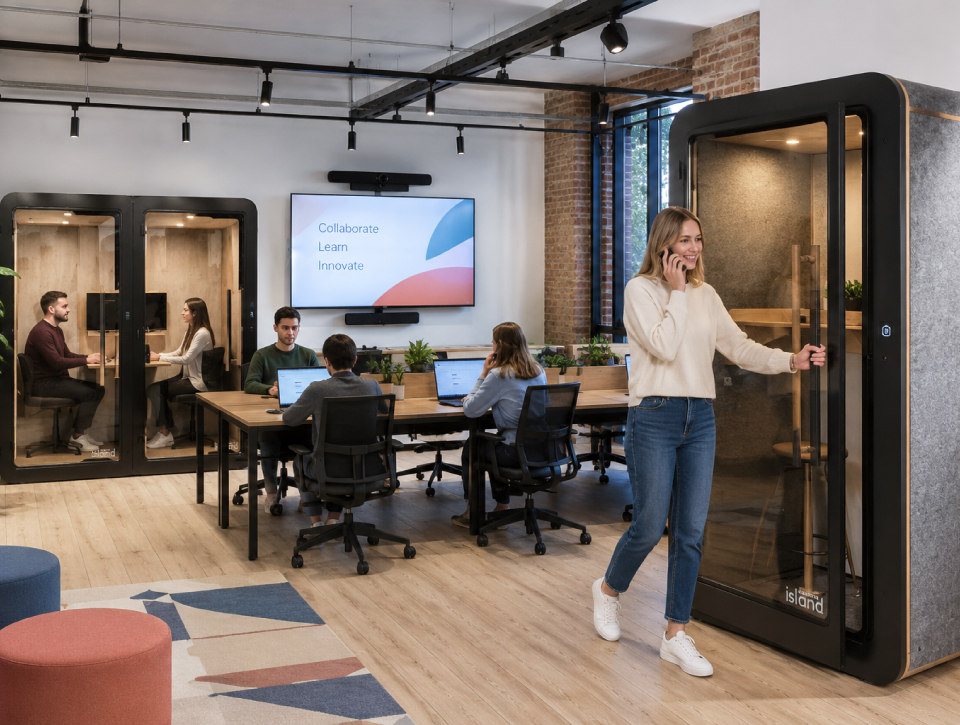
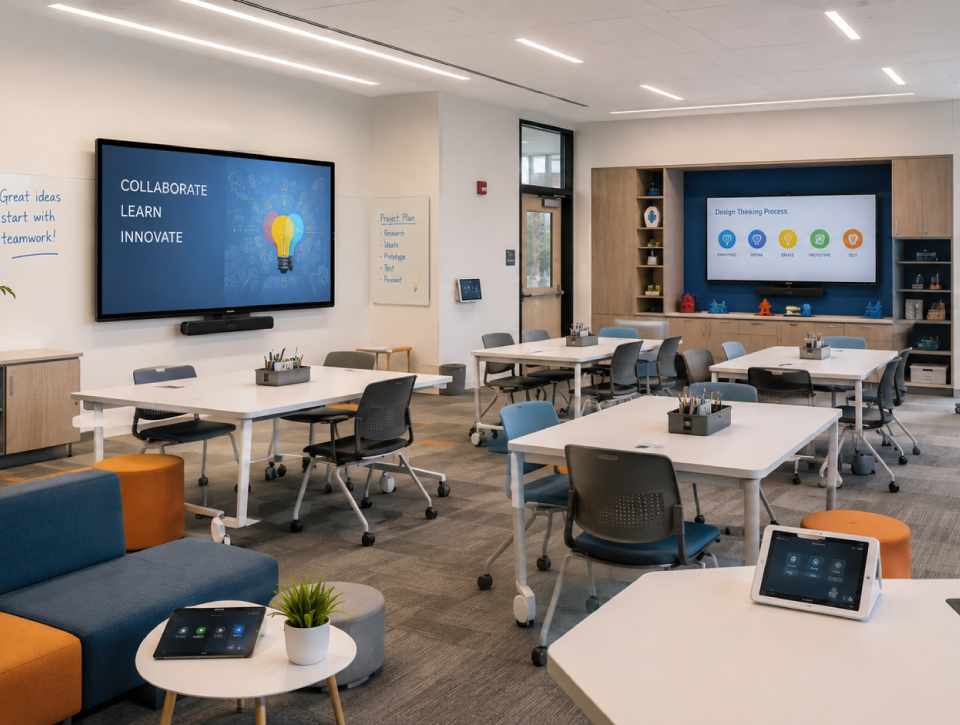

Collaborative Learning Spaces
Homepage > Education Technology Solutions > Collaboration Spaces & Libraries
Education Technology Solutions
Collaborative Learning Spaces for Knowledge Sharing and Teamwork
Learning increasingly extends beyond formal classroom environments. Students often require spaces where they can collaborate, conduct research, exchange ideas, and work independently while remaining connected to educational resources. These environments play an important role in supporting both structured and self-directed learning activities.
Integrate Systems
What is a Collaborative Learning Space?
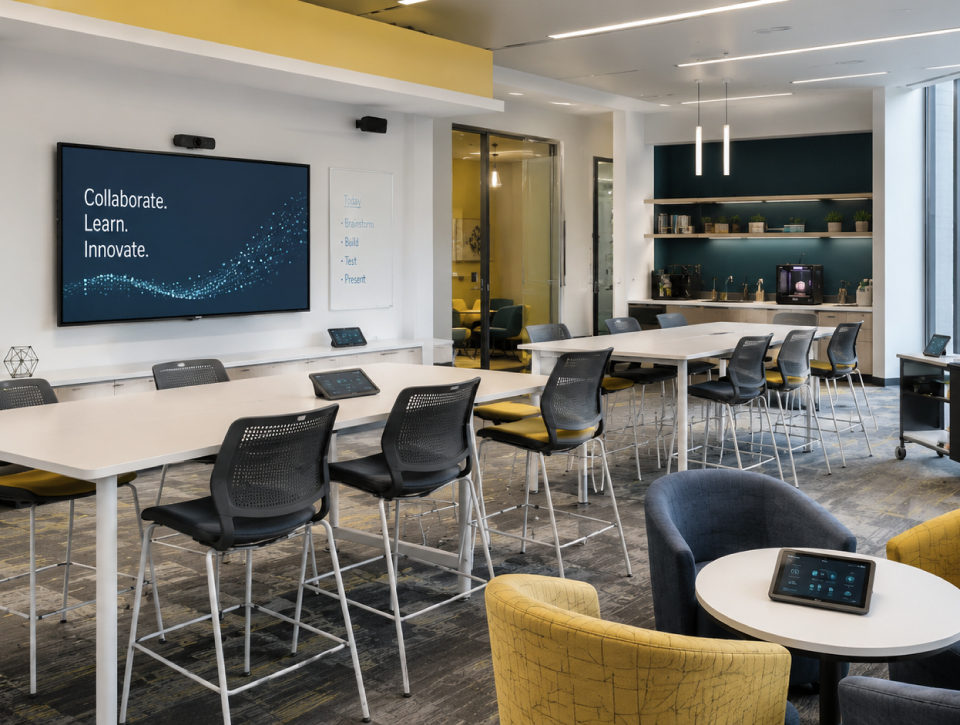
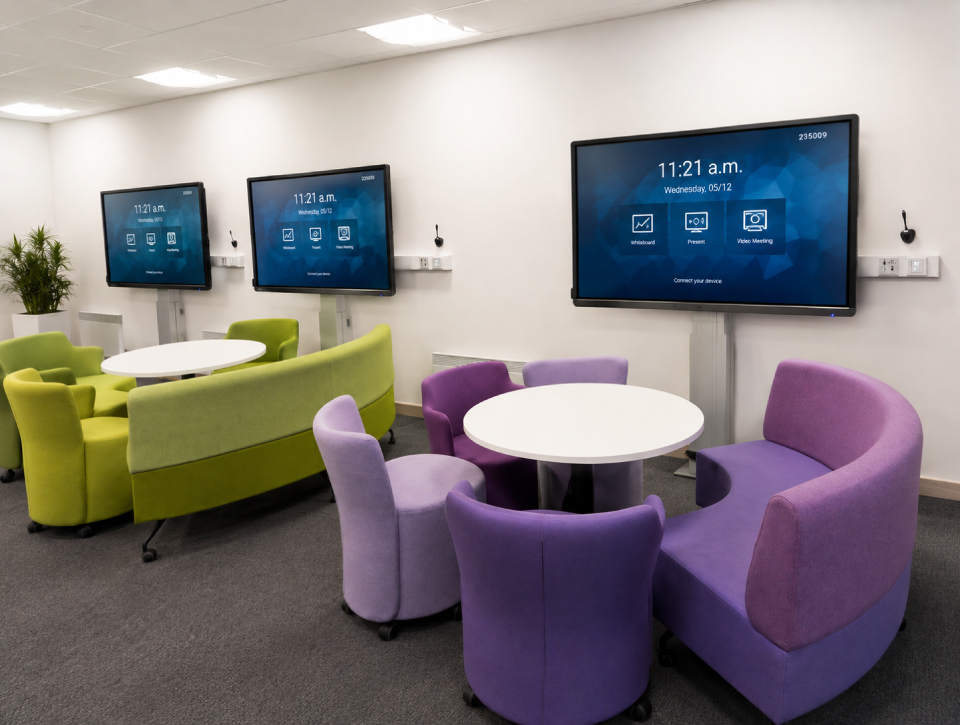
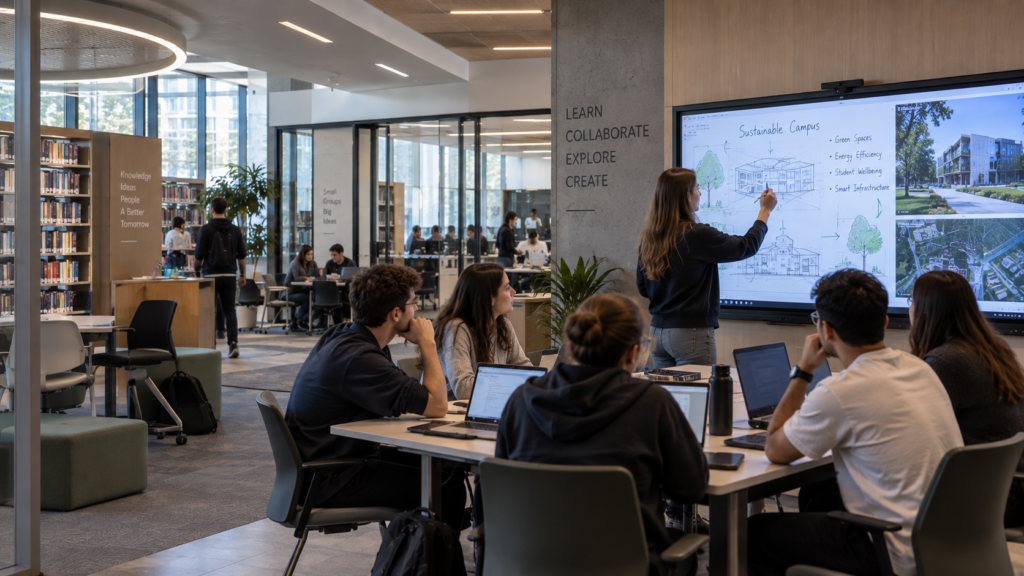
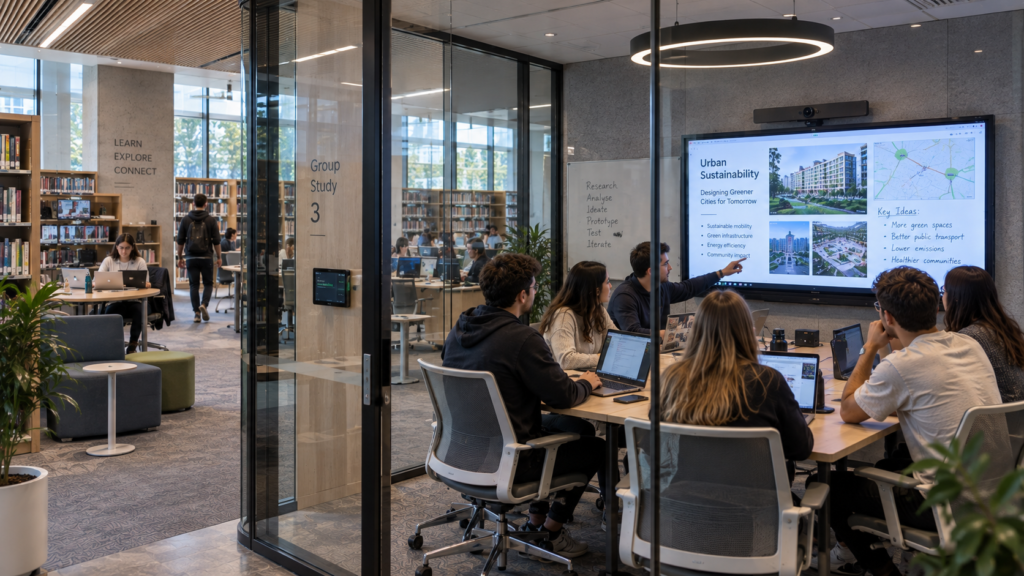
A collaborative learning space is a flexible environment designed to support teamwork, group learning, discussion, project work, research, and independent study through the integration of collaboration and communication technologies.
- Encourage teamwork and collaboration
- Support independent and group learning
- Improve access to shared resources
Core Technologies for Collaborative Learning Spaces
Collaboration spaces and libraries combine collaboration technologies, shared workspaces, communication tools, and supporting infrastructure to create environments that support teamwork, research, independent study, and knowledge sharing across the institution.
Interactive technologies help students, educators, and teams share ideas, work together, and engage with content in real time.
- Interactive Displays
- Collaboration Screens
- Digital Whiteboards
- Annotation Tools
- Collaboration Platforms
Content-sharing technologies allow multiple users to contribute information and collaborate seamlessly.
- Wireless Content Sharing
- Presentation Systems
- Screen Sharing Solutions
- Multi-User Collaboration Tools
Communication technologies connect learners and teams across physical and remote locations.
- Microsoft Teams
- Zoom
- Google Meet
- Cisco Webex
- Hybrid Collaboration Platforms
Management technologies help institutions optimize shared learning and collaboration spaces.
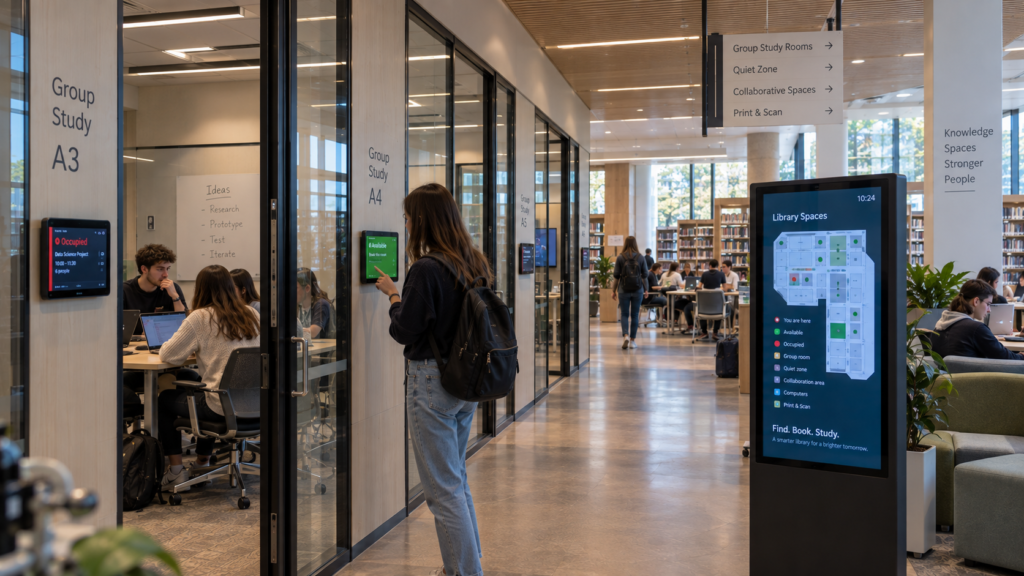
- Room Booking Systems
- Scheduling Platforms
- Occupancy Monitoring
- Workspace Management Tools
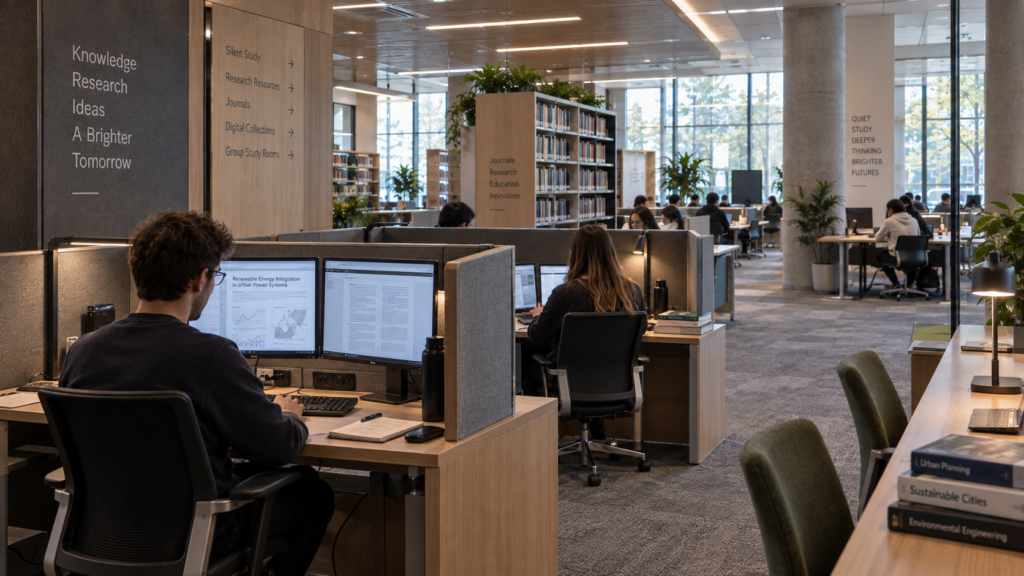
Libraries and learning spaces often support both team collaboration and independent work.
- Shared Workstations
- Digital Resource Access
- Research Platforms
- Knowledge Access Systems
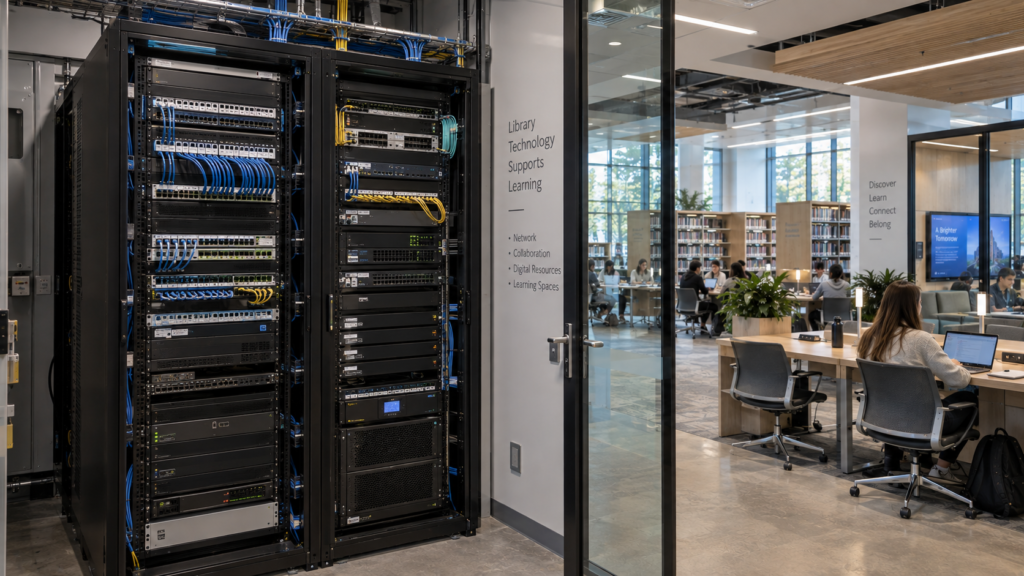
Supporting technologies provide reliability, accessibility, and long-term scalability.
- Network Infrastructure
- Structured Cabling
- Secure User Access
- Device Management Platforms
- Power & Connectivity Systems
Platform Compatibility
Designed Around Your Education Ecosystem
ELTEK Integrate designs collaboration spaces & libraries solutions around the digital tools and collaboration platforms already used by the institution, including:
Technology Partners
Collaborating With Industry-Leading Technology Manufacturers


AV/IT System Integration
End-to-End Solutions Design by ELTEK Integrate
ELTEK Integrate delivers collaboration space and library systems end-to-end, aligning AV and IT technologies with user behaviour, space usage, collaboration workflows, and overall experience.
Our approach includes:
- space assessment and user behaviour analysis
- system design based on collaboration and study use cases
- display, collaboration, and conferencing system selection
- integration of AV, IT, and collaboration technologies
- integration with booking and scheduling platforms
- wireless content sharing and user access setup
- control and usability optimisation
- network, power, and infrastructure planning
- configuration of flexible collaboration scenarios
- installation, testing, user training, and ongoing support
Value & Differentiation
Why Collaborative Learning Spaces Matter
Collaboration spaces and libraries are no longer passive environments. They’re dynamic hubs where communication, teamwork, and digital interaction all have to work together, often supporting individual study and group work in the very same space.
Get it wrong and these spaces end up with disconnected tools, limited interaction, and technology that sits unused because nobody’s quite sure how it’s meant to work. Get it right, and the space becomes genuinely flexible — supporting quiet, focused work at one table and active group collaboration at the next, without either mode getting in the other’s way.
That’s the gap ELTEK Integrate closes: bringing AV expertise, collaboration technology, IT integration, and long-term support together so collaboration spaces and libraries stay intuitive, adaptable, and genuinely useful for however people actually want to use them.
Collaboration Spaces & Libraries
Typical Use Cases
Collaboration spaces and libraries support a wide range of learning, teamwork, and communication scenarios:
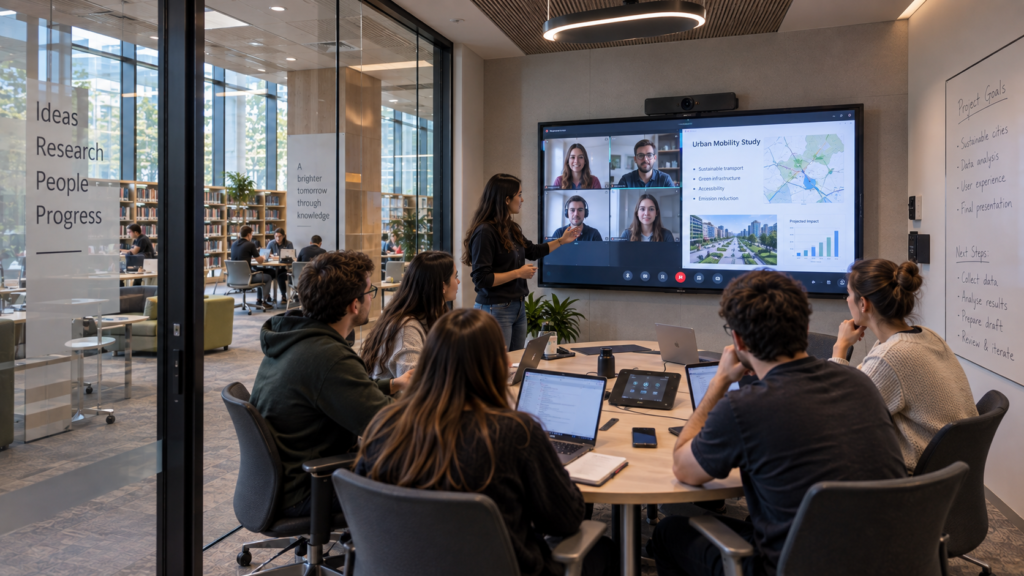
Group Study & Team Collaboration
Students or teams working together on shared content and projects.
Project‑Based Learning Sessions
Supporting collaboration on assignments, research projects, and presentations.
Hybrid Collaboration & Remote Participation
Connecting users across locations for meetings and joint work sessions.
Brainstorming & Ideation Workshops
Facilitating creative sessions with interactive tools and shared displays.
Individual Study & Focus Work
Providing quiet zones with access to digital resources and technology.
Knowledge Sharing & Informal Meetings
Enabling spontaneous collaboration and information exchange.
Library Research & Digital Access
Supporting access to online resources, databases, and learning materials.
Workshops & Collaborative Training Sessions
Hosting structured sessions that require both presentation and interaction.
Frequently Asked Questions
Collaboration Spaces & Libraries FAQs
What is a collaboration space?
A collaboration space is a technology-enabled environment designed to support teamwork, group learning, project work, brainstorming, and knowledge sharing through integrated collaboration tools, displays, content sharing systems, and communication technologies.
How are modern libraries different from traditional libraries?
Modern libraries increasingly function as learning and collaboration hubs that combine digital resources, shared study spaces, collaboration technologies, and flexible work environments alongside traditional research and reading facilities.
What technology is typically included in collaboration spaces and libraries?
These environments may include interactive displays, collaboration screens, wireless content sharing systems, room booking platforms, video conferencing technologies, shared workstations, and supporting IT infrastructure.
Can collaboration spaces support hybrid learning and remote participation?
Yes. Collaboration spaces can integrate communication and conferencing technologies that allow participants to contribute from different locations while maintaining a shared collaboration experience.
Can existing libraries be modernized into collaborative learning environments?
Yes. Existing libraries can often be upgraded through the integration of collaboration technologies, digital resource access, booking systems, shared workspaces, and supporting infrastructure while retaining the strengths of the existing environment.
Need Additional Information?
If you require additional technical details or project‑specific information, our team is available to provide clarification and guidance.
Our number
+40 21 200 64 55
Our Email
Contact
Let’s Discuss Your Technology Requirements
Insights & Articles
Insights On Modern Education Technology
Is your AV a cybersecurity risk? NIS2 for meeting and control rooms
Every camera, codec and video wall controller on your network is an IT asset. Under NIS2, it is treated like one.
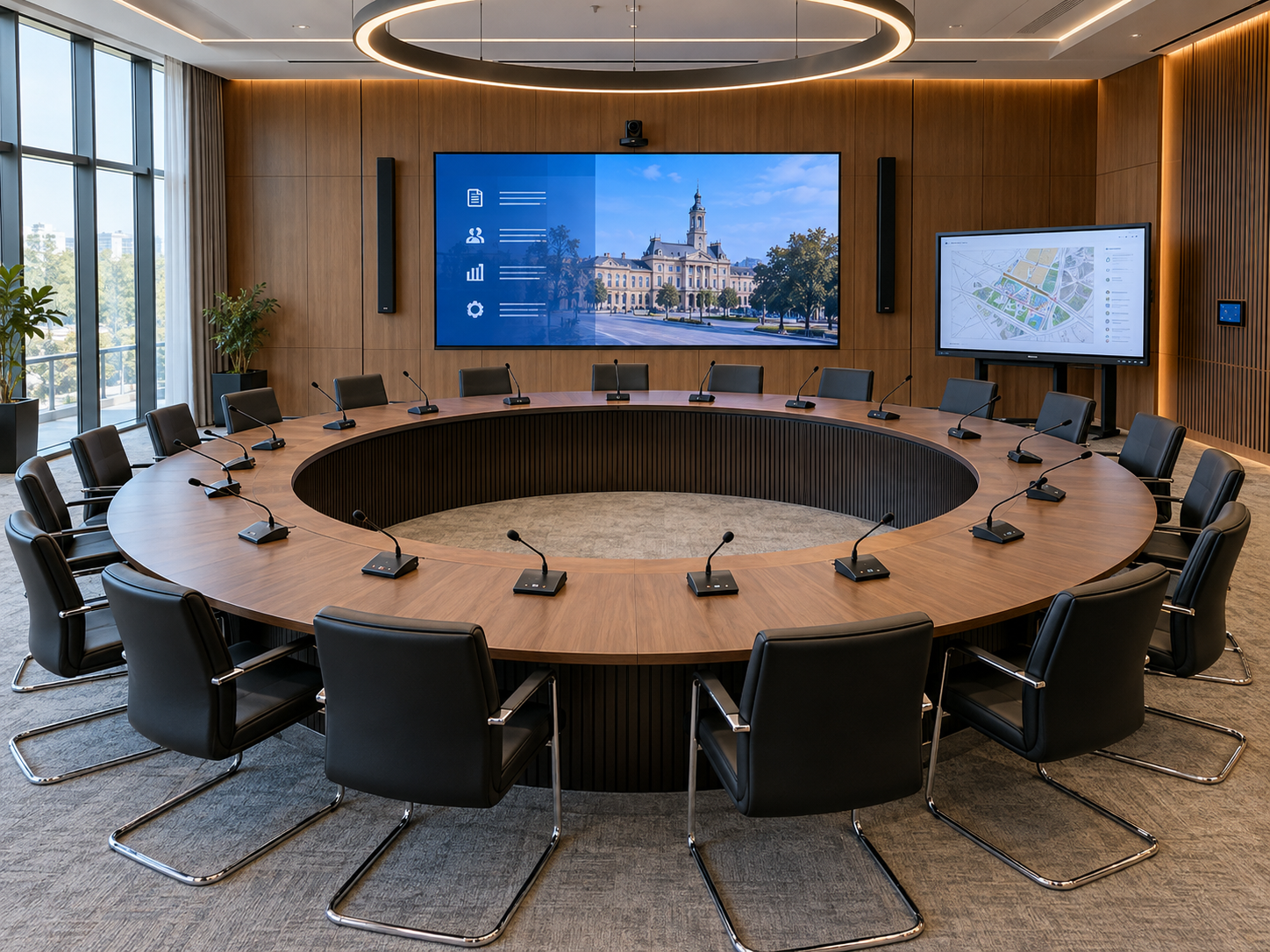
Conference systems for council chambers: a planning guide
Every word on the record, every vote counted, every citizen able to follow.
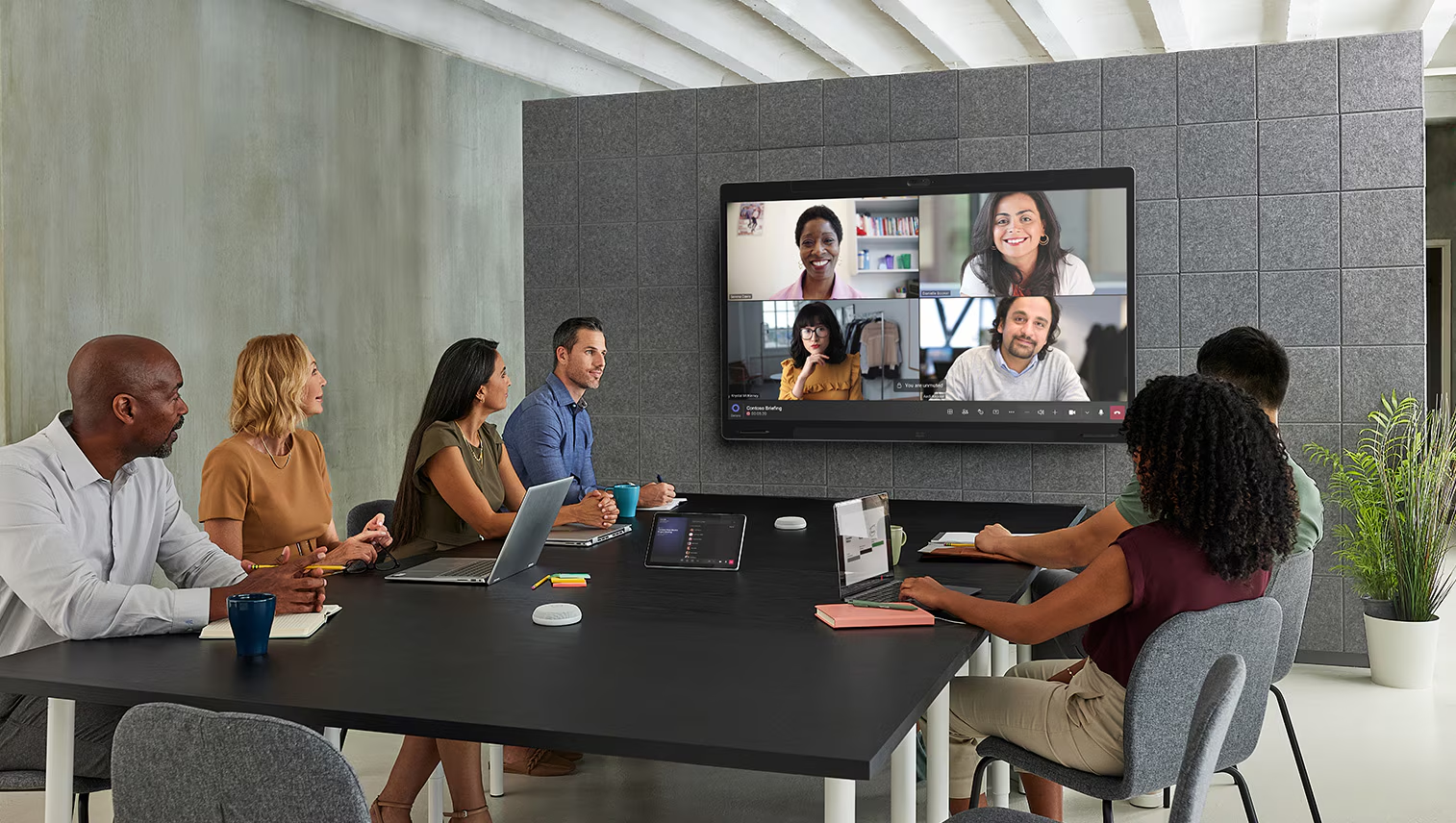
Why meeting rooms fail users: a 10-point technology checklist
Most room failures start at the design stage.
Be the First to Know — Subscribe Today!
Stay up to date with the latest insights, industry trends, company news, upcoming events, and valuable resources delivered directly to your inbox.
 LinkedIn | Youtube | Facebook | InstagramÂ