






























































































Control Rooms & Operations Centers

One operational view, built for real-time decisions

What Are Control Rooms & Operations Centers?

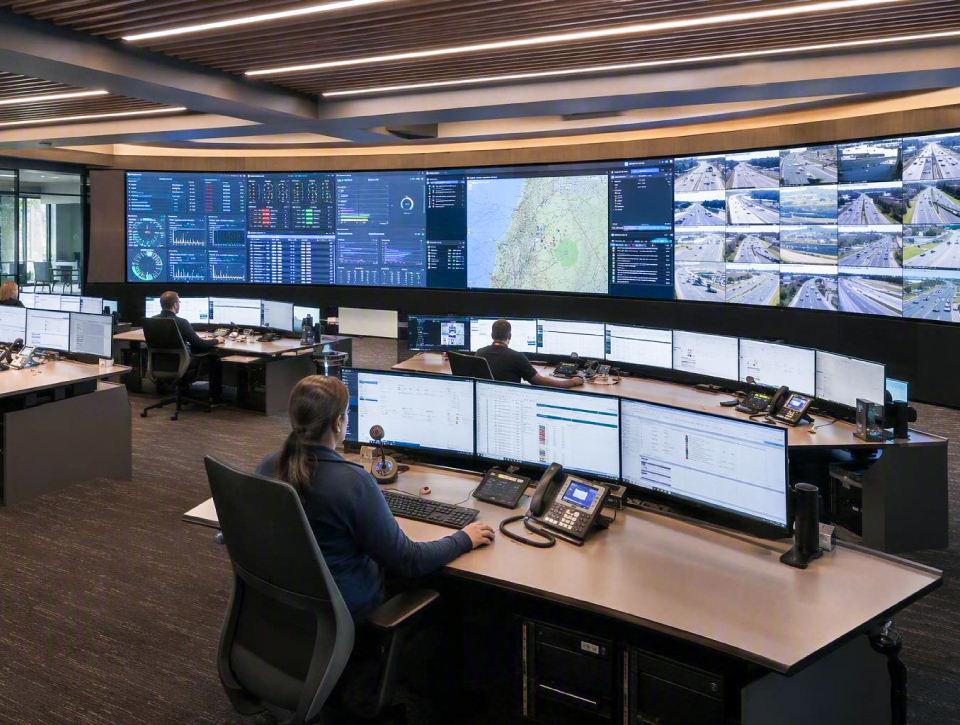
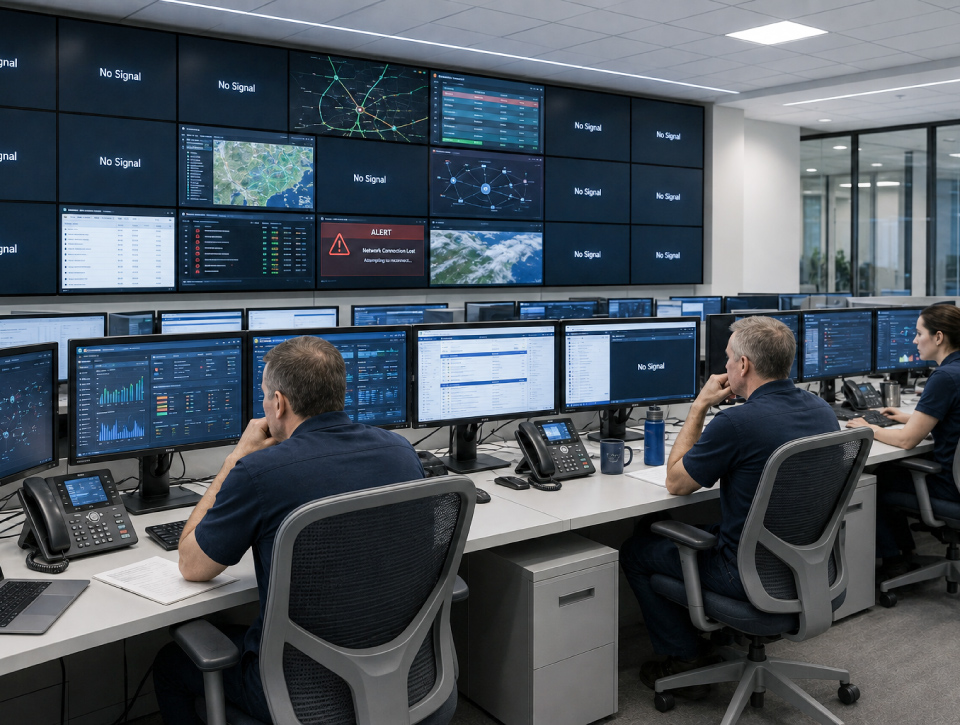
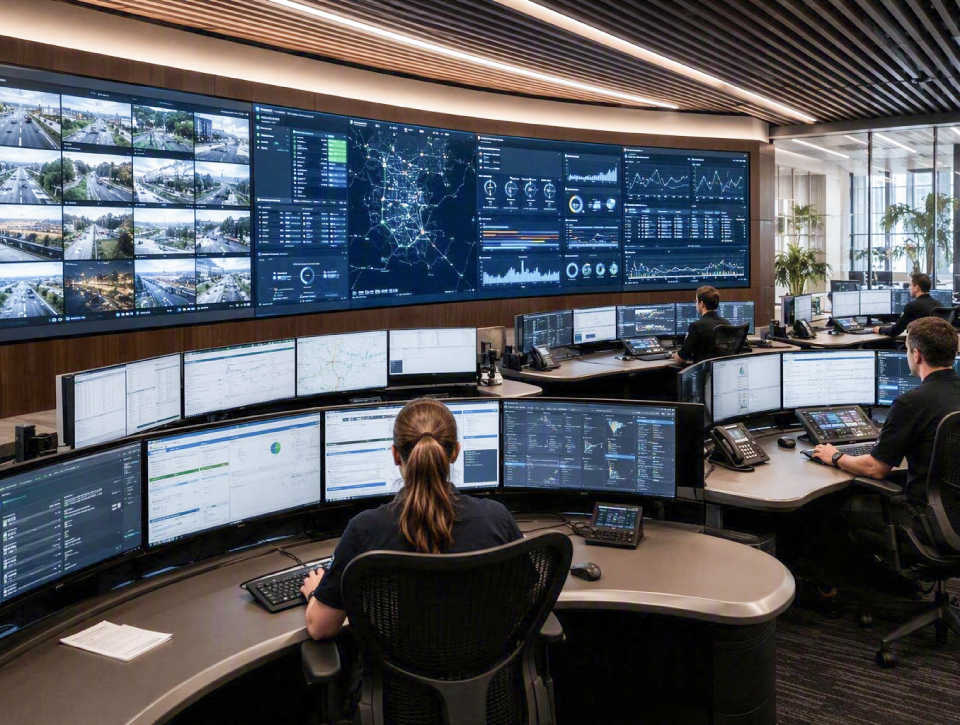
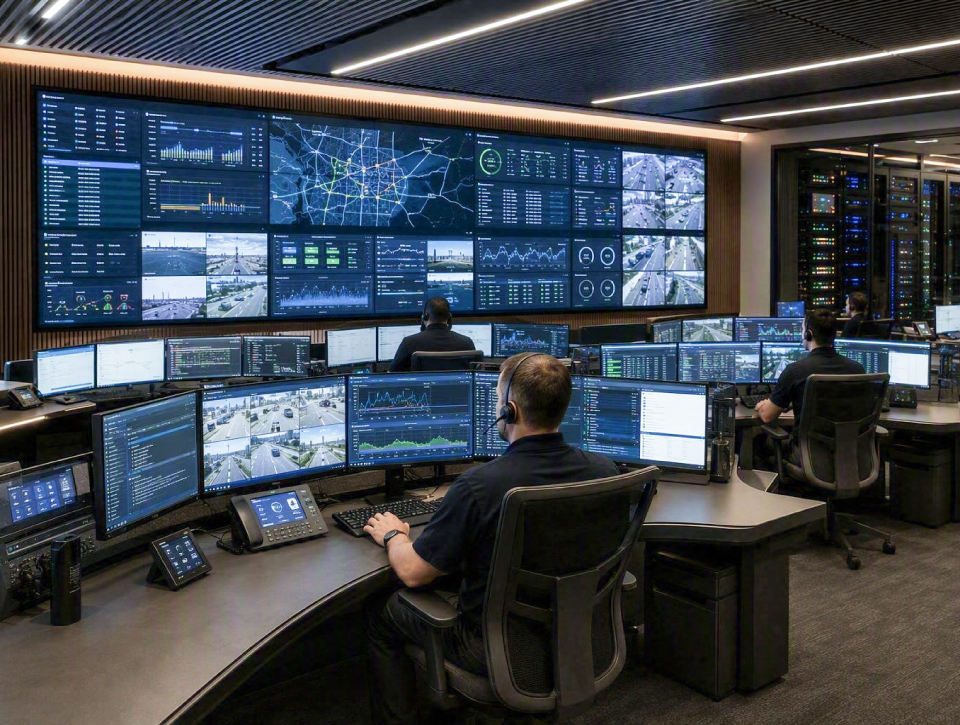
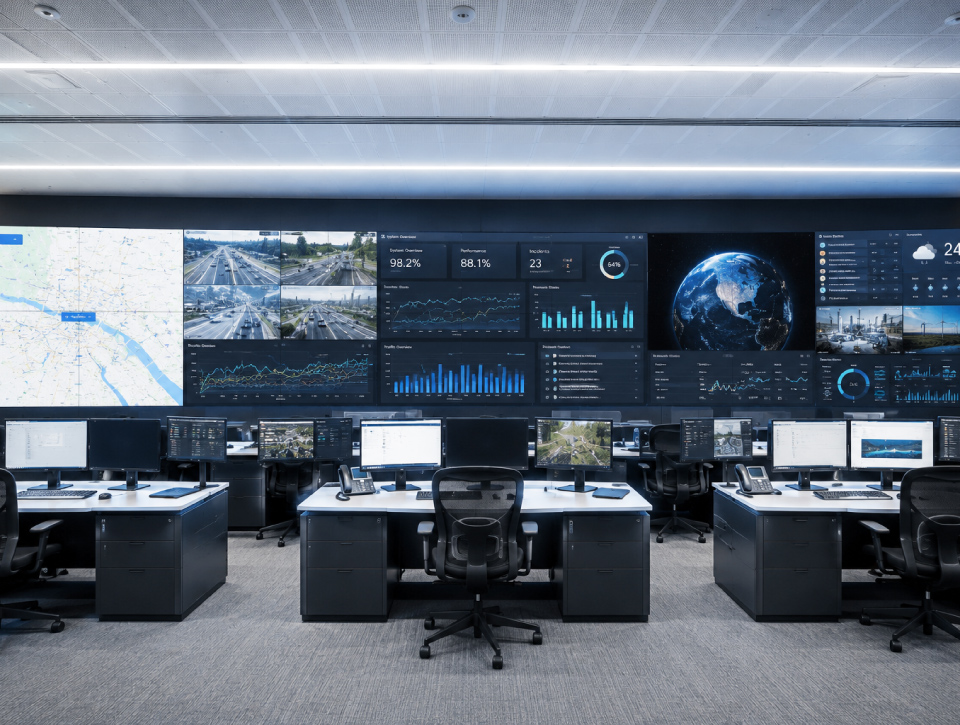
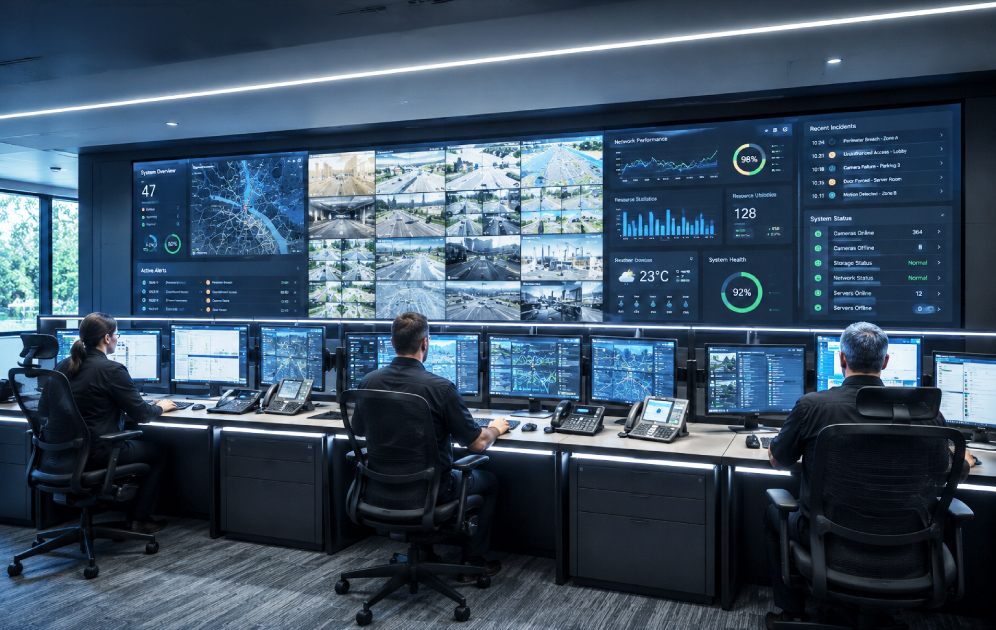
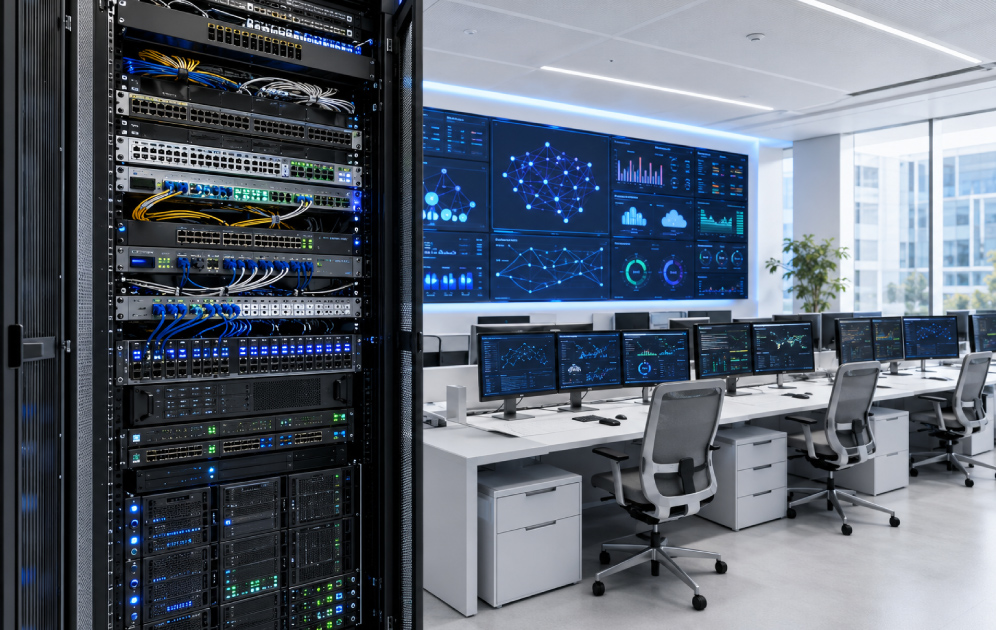
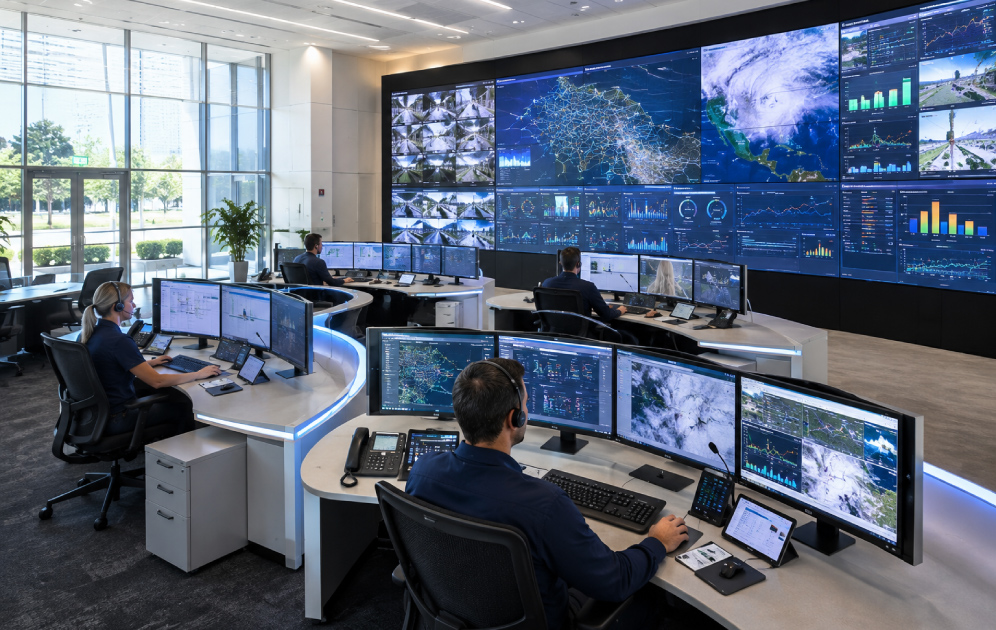
Control rooms and operations centers combine visualization technologies, operator environments, AV systems, and IT infrastructure to help organizations monitor operations, manage incidents, and make informed decisions in real time.

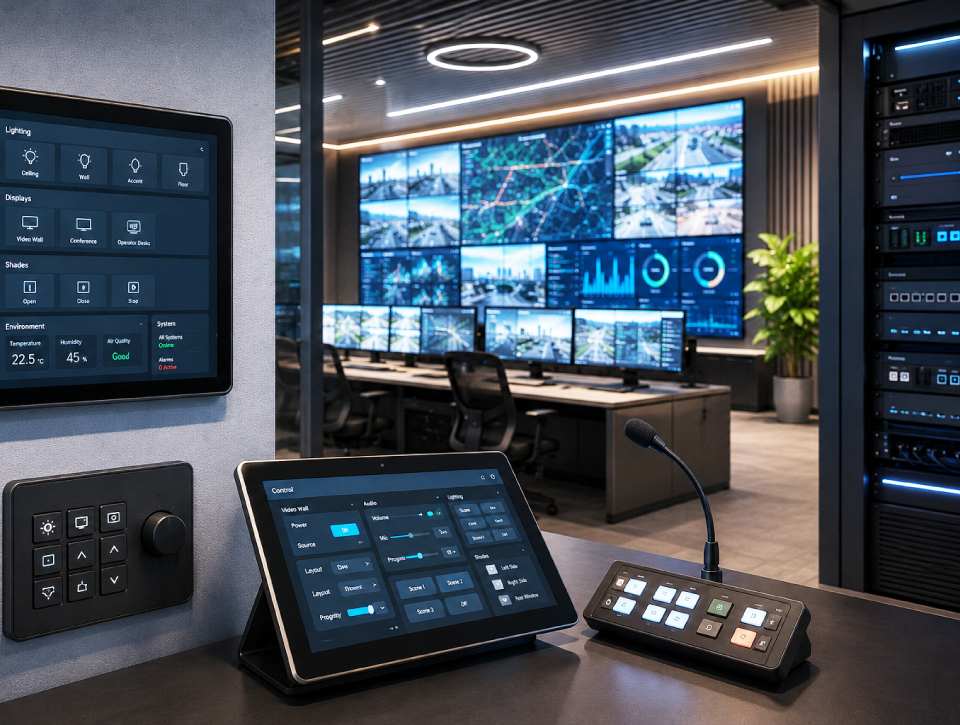
Modern control room environments bring together video walls, operator consoles, KVM systems, AV-over-IP technologies, automation platforms, and collaboration tools into a single operational ecosystem that supports situational awareness and coordinated response.

ELTEK Integrate designs and deploys control room environments for utilities, transportation, security, enterprise operations, emergency management, and mission-critical facilities.

The Challenge: When Every System Speaks a Different Language

An alarm fires on one screen while the camera feed showing it sits on a completely different system — that’s what happens when a control room grows through separate vendor purchases instead of one integrated plan.

  • fragmented visualization across multiple displays and systems
  • limited visibility over operational data, alarms, cameras, or dashboards
  • poor coordination between operators, supervisors, field teams, and decision-makers
  • outdated video wall, KVM, or signal distribution infrastructure
  • workstations that do not support long-duration operator activity
  • complex AV systems that are difficult to control during incidents
  • limited redundancy, serviceability, or scalability
  • weak integration between AV, IT, security, networking, and collaboration systems

These issues can affect response time, operational awareness, user comfort, and the long-term reliability of the control room environment.

The Solution:One Operational System, Not a Row of Screens

ELTEK Integrate approaches control rooms as complete operational systems, not isolated screens, consoles, or AV devices. Our solutions are designed to support:

  • real-time visualization across video walls and operator displays
  • 24/7 monitoring environments with reliable AV/IT infrastructure
  • ergonomic operator workstations and control room furniture
  • KVM and signal management for secure system access
  • AV-over-IP architectures for scalable source and display routing
  • incident response and collaboration workflows
  • integration with security, traffic, utilities, enterprise, and industrial systems
  • centralized control, monitoring, documentation, and long-term support

Because control rooms often run continuously, ELTEK Integrate designs for that reality from day one — commissioning and testing scheduled around live operations, with support built for environments that can’t simply be switched off to fix something.

An integrated control room strategy helps organizations improve situational awareness, streamline operations, and support faster decision-making. By aligning technology, workflows, and operator requirements, organizations can create environments that remain effective, scalable, and reliable over time.

Benefits of an Integrated Control Room Strategy

Operational Outcomes
Improved Situational Awareness

Provide operators with a unified operational view that brings together dashboards, alerts, cameras, and critical information.

Faster Decision-Making

Enable teams to identify events, assess conditions, and coordinate responses more efficiently.

Greater Operational Reliability

Support continuous operations through resilient technologies, redundancy planning, and centralized management.

Scalable Future Growth

Build environments that can adapt to changing operational requirements, additional data sources, and future technologies.

Technologies Behind Modern Control Rooms

Modern control rooms combine visualization systems, operator technologies, networking infrastructure, and collaboration platforms to create environments that support continuous monitoring and operational decision-making.

From video walls, operator consoles, KVM systems, and AV-over-IP architectures to automation platforms, monitoring tools, and unified communications, each technology contributes to maintaining visibility, responsiveness, and operational continuity.

By integrating these technologies into a unified operational strategy, organizations can improve efficiency, reduce response times, and support long-term operational resilience.

Because control rooms often run continuously, ELTEK Integrate designs for that reality from day one — commissioning and testing scheduled around live operations, with support built for environments that can’t simply be switched off to fix something.

End-to-End Technology Services

What We Offer
Consulting & Strategy

Mapping operational workflows, shift patterns, and incident response needs — not a generic room layout.

Design & Engineering

Engineering video walls, consoles, and signal routing around real sightlines and 24/7 reliability.

Deployment & Integration

Installing and commissioning around live operations, so monitoring never actually stops.

Support & Managed Services

Ongoing support built for environments that run continuously, not just business hours.

Dedicated Solutions Across Control Room Needs

Control Room Video Walls

An operator scanning twelve camera feeds, a map, and three dashboards at once needs them all visible in a single glance, not spread across disconnected monitors.

That’s what a properly designed video wall delivers — a shared operational view built from LCD, LED, or projection technology matched to room size, viewing distance, and operating hours. ELTEK Integrate designs video walls selected around content type and service requirements, not a one-size display package.

Operator Workstations & Consoles

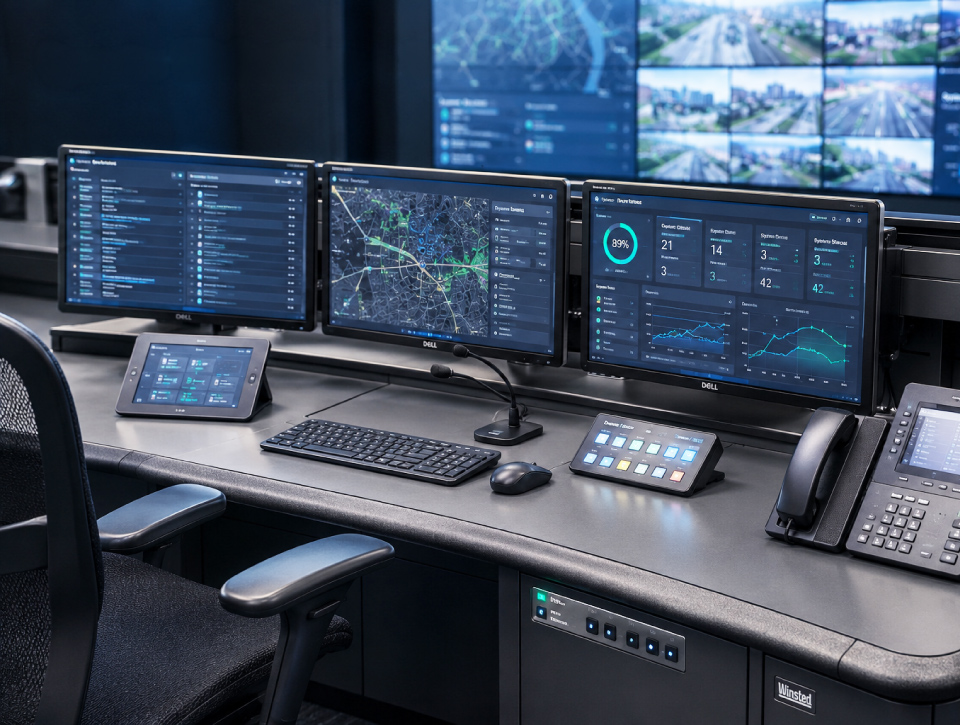
An operator sitting through an eight-hour shift, reaching for the same controls hundreds of times, needs furniture built for that reality, not a standard office desk.

That’s why workstation design directly affects focus and performance in 24/7 environments. ELTEK Integrate plans consoles around operator roles, screen layouts, sightlines, and maintenance access.

KVM & Signal Management Systems

An operator who needs to pull up a server console, a camera feed, and a monitoring application from the same seat can’t afford to hunt for the right input.

That kind of fast, secure access is what KVM and signal management systems are built for — switching and routing sources to the right workstation or display without operators losing time. ELTEK Integrate designs these architectures around access control, redundancy, and future scalability.

AV-over-IP & Network Distribution

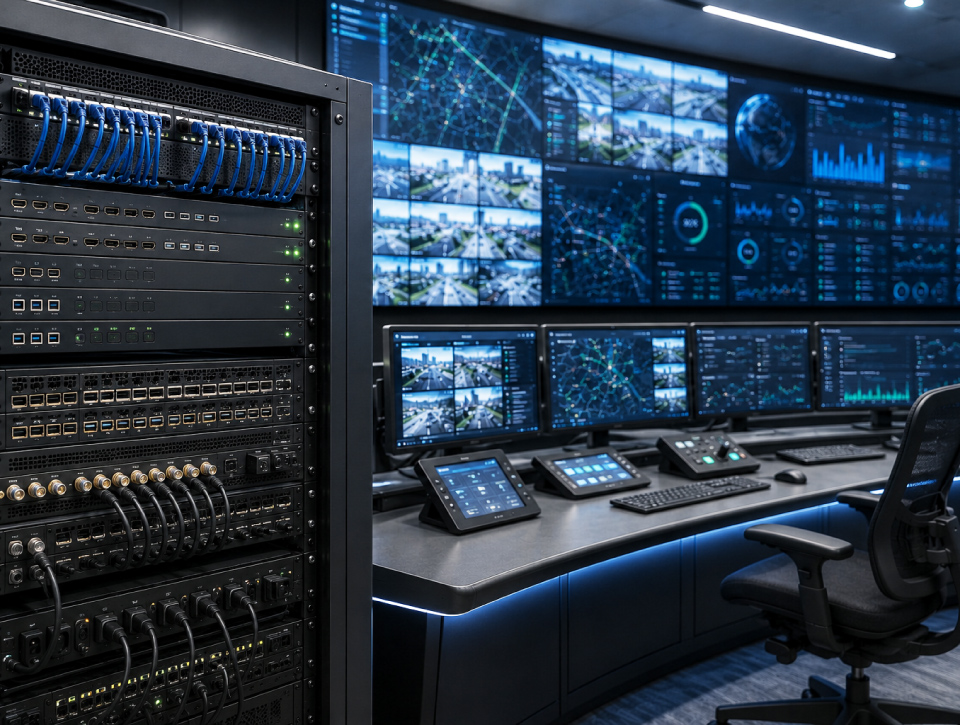
A control room that needs to add three more source feeds next year shouldn’t have to rip out its signal infrastructure to do it.

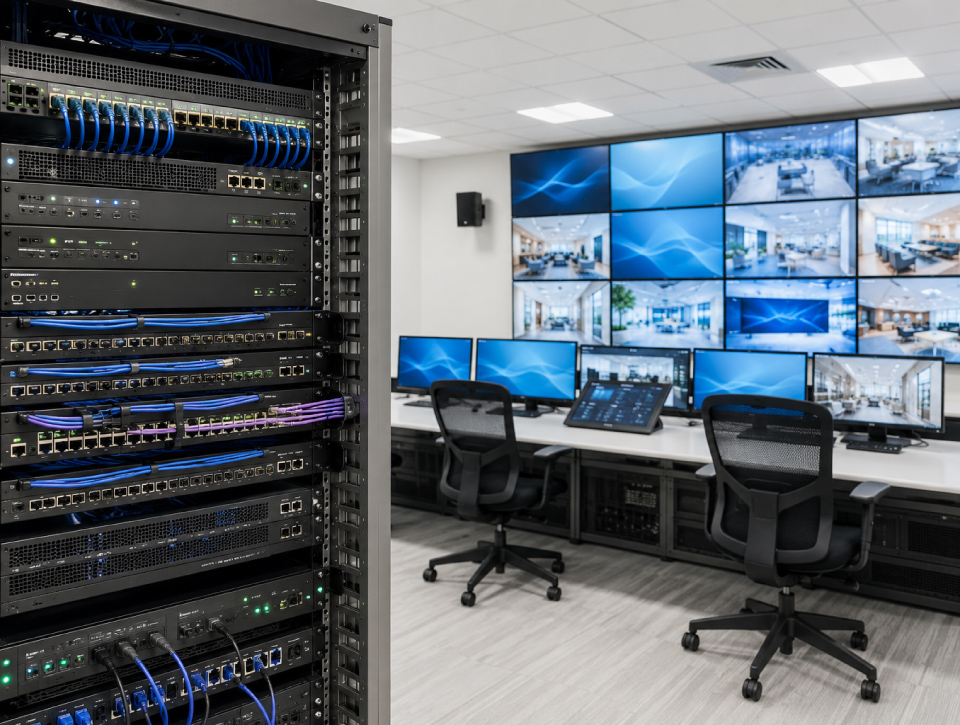
That flexibility comes from AV-over-IP, routing audio, video, USB, and control signals over standard network infrastructure. ELTEK Integrate designs AV-over-IP environments aligned with bandwidth, latency, and IT policy requirements from the start.

Control Systems & Automation

A control room shouldn’t need an operator manually adjusting lighting, switching a source, or running the same startup sequence every single shift.

Automating those repetitive tasks is what control systems and automation exist for — centralized control processors handling routine switching, environmental settings, and scheduled operations. ELTEK Integrate designs automation architectures that reduce operator workload and keep routine tasks consistent, shift after shift.

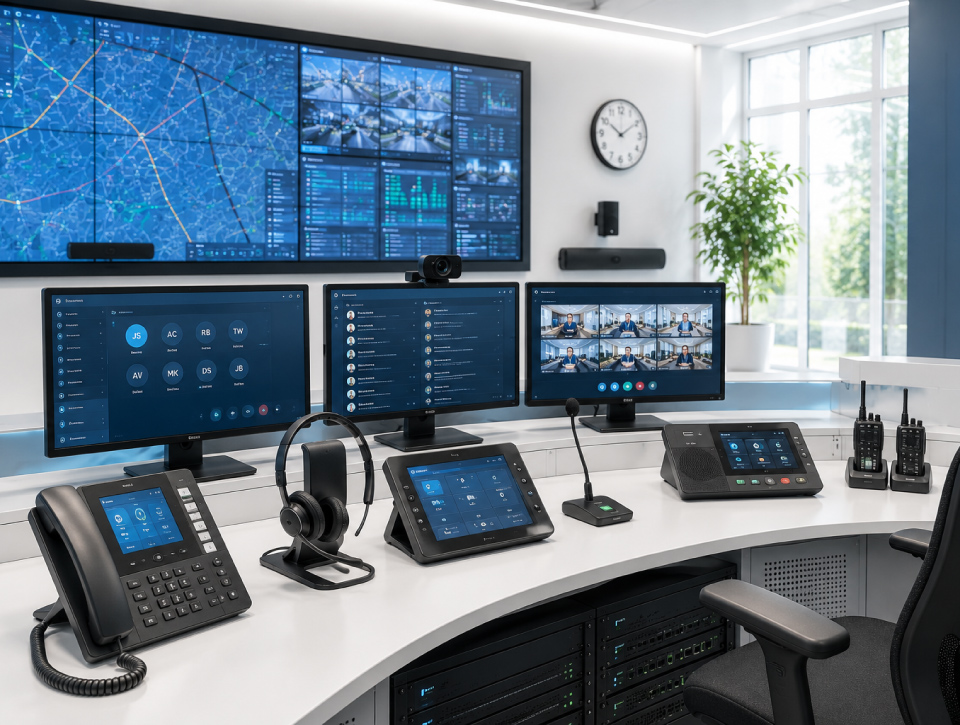
Unified Communications for Control Rooms

An incident that requires operators, supervisors, field teams, and executives to coordinate in real time can’t wait for someone to dial into a separate conferencing tool.

That’s why conferencing, room control, and display sharing need to be built directly into daily operations and incident response workflows. ELTEK Integrate integrates collaboration systems and incident-room technology as a native part of the control room, not a bolt-on.

Technology Partners

Collaborating With Industry-Leading Technology Manufacturers

Mission-Critical Environments Across Key Sectors

Control room environments vary across sectors, from security and network operations to utilities, transportation, and corporate operations — each with different workflows, data sources, and response processes.

A coordinated response across multiple teams, agencies, or departments only works if everyone is looking at the same real-time picture.

That shared picture is what command and control rooms are built to provide — large-scale visualization, secure information access, and workstations designed for coordinated decision-making. ELTEK Integrate designs command and control rooms for organizations that need real-time situational awareness and reliable operational coordination.

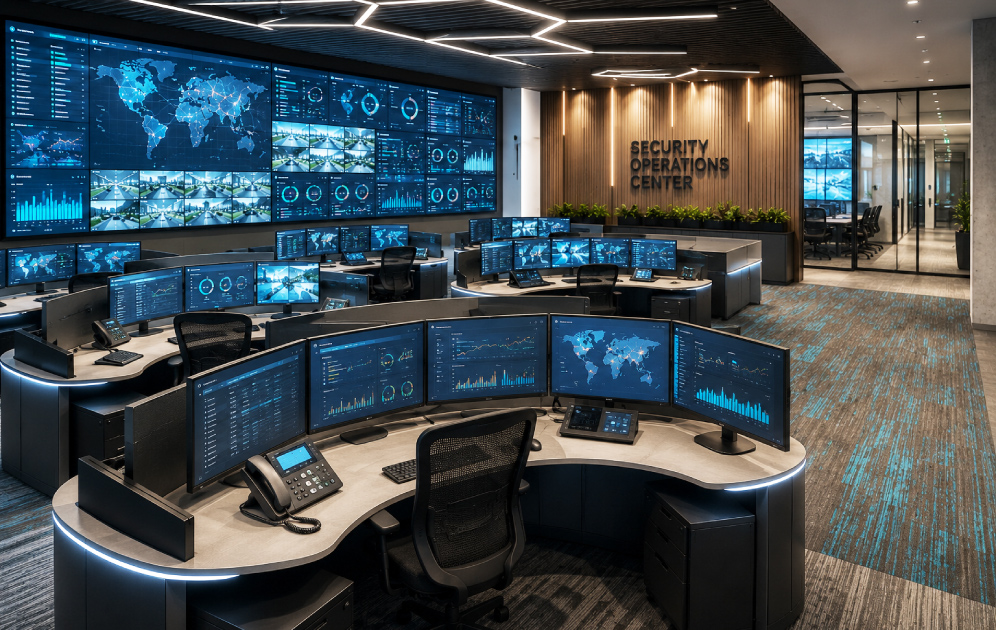
A security analyst investigating an alert needs the full picture — logs, alarms, and camera feeds — without switching between five different systems.

That’s the workflow a properly designed SOC supports: secure access, reliable visualization, and workstations built around threat analysis and incident response. ELTEK Integrate designs SOC spaces that support cybersecurity teams and enterprise security operations.

An IT team troubleshooting a network incident needs dashboards, alerts, and monitoring platforms available at a glance, not buried across browser tabs.

That fast access is what a well-designed NOC delivers — visualization, ergonomic workstations, and collaboration systems built for IT and telecom teams. ELTEK Integrate designs NOC environments around network performance monitoring and incident escalation.

In a crisis, the room itself can’t be the thing slowing down the response.

That’s why emergency and crisis management centers need reliable displays, audio-video systems, and simplified control built for high-pressure situations. ELTEK Integrate designs crisis management environments that support public institutions and enterprise response teams.

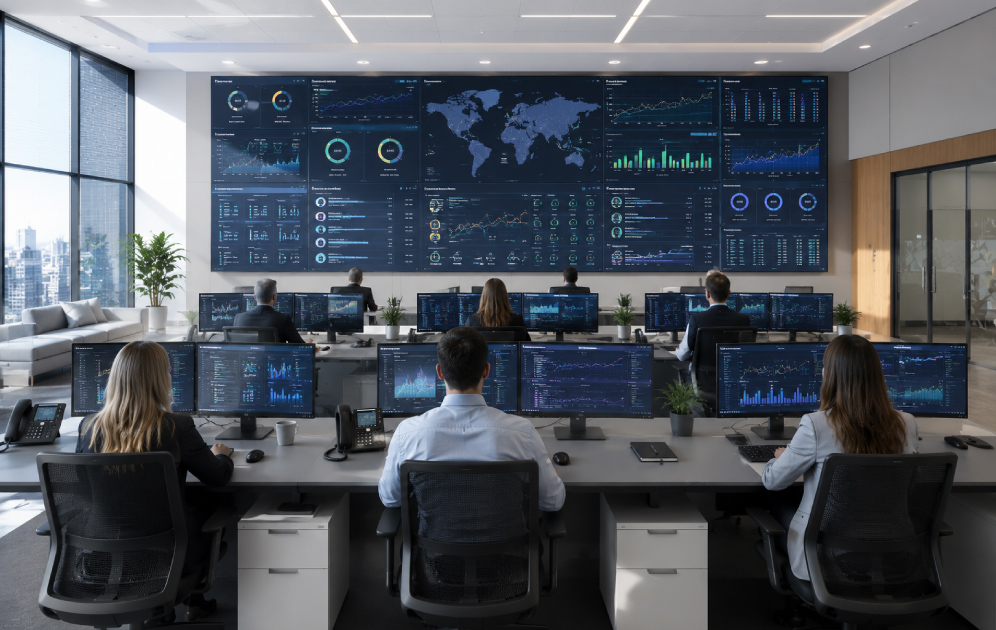
An enterprise tracking logistics, facility operations, and business performance across departments needs one room where that information actually comes together.

That’s what corporate operations centers are designed to do — combining dashboards, collaboration tools, and scalable AV/IT infrastructure. ELTEK Integrate designs corporate operations centers that help teams coordinate business-critical information across the organization.

Trusted By Leading Organizations

Supporting Utilities, Security, Transport, Enterprise & Public-Sector Operations

Control Room Projects

Some control room projects start with replacing a single aging video wall; others involve building a complete mission-critical operations center from the ground up. ELTEK Integrate has supported utilities, security, transportation, and enterprise organizations across both scales, with systems designed to perform reliably under continuous, real-world operating conditions.

Insights & Articles

Insights On Control Rooms & Operations Centers

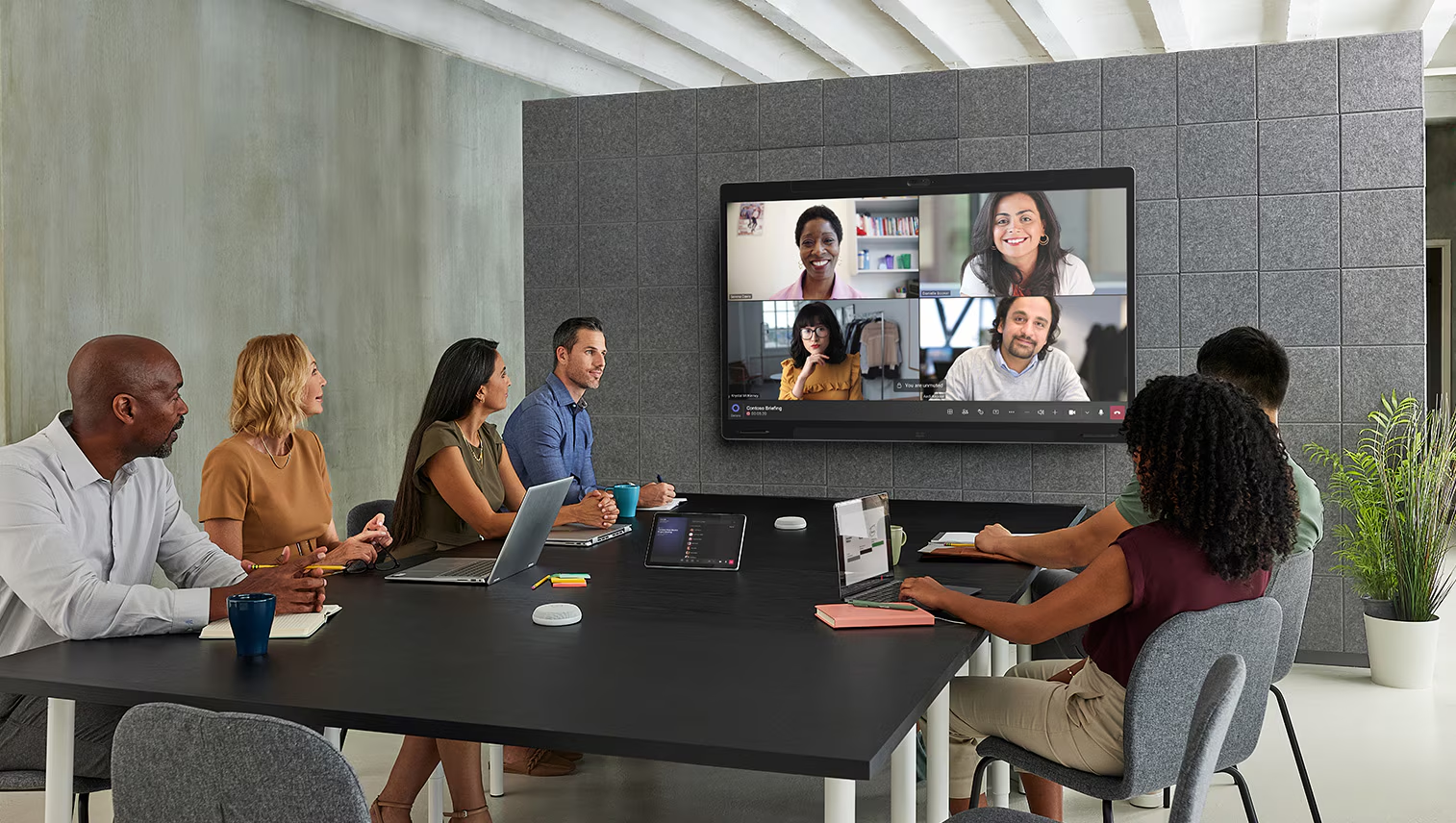
Is your AV a cybersecurity risk? NIS2 for meeting and control rooms

Is your AV a cybersecurity risk? NIS2 for meeting and control rooms

Every camera, codec and video wall controller on your network is an IT asset. Under NIS2, it is treated like one.
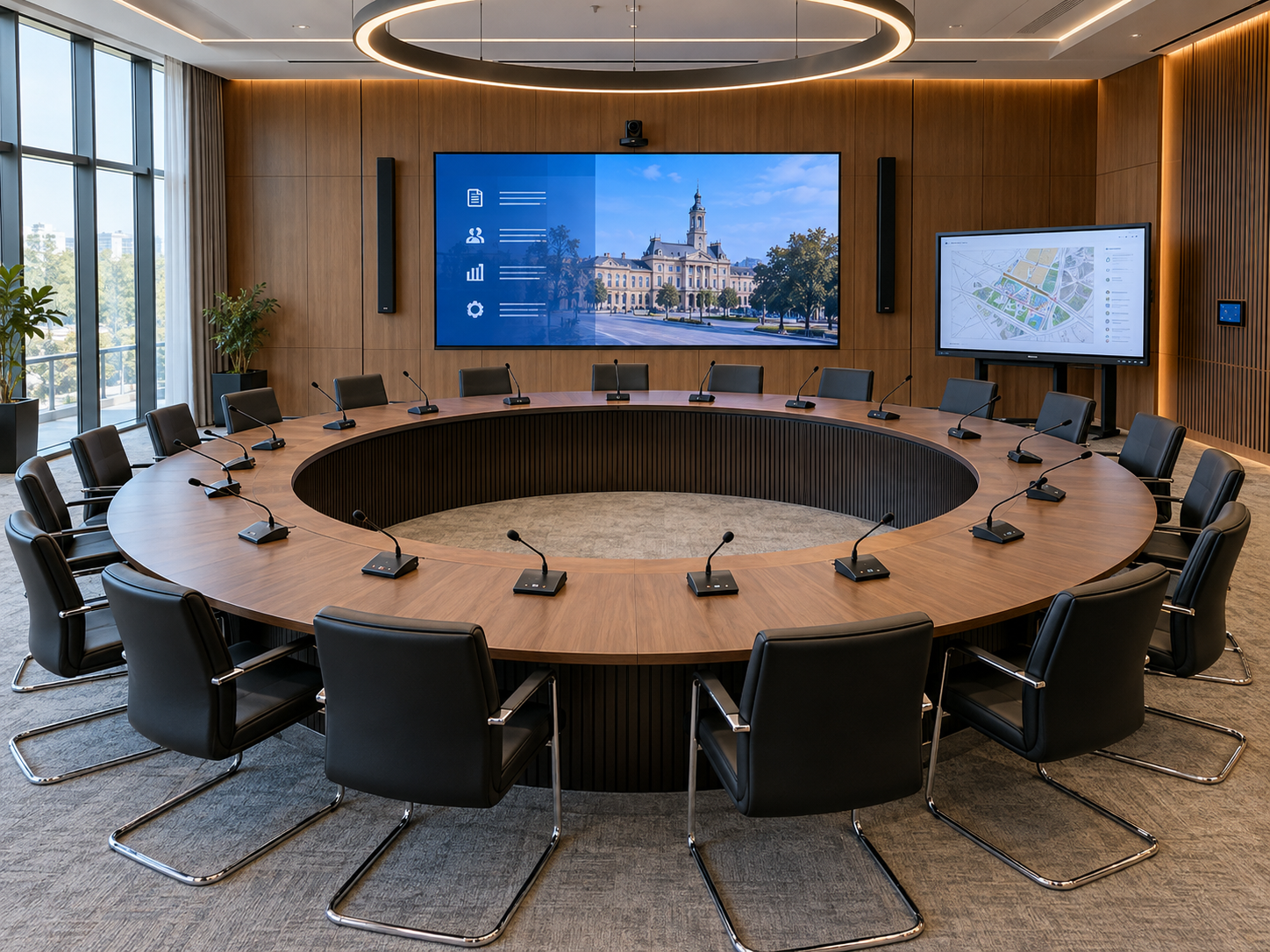
Conference systems for council chambers: a planning guide

Conference systems for council chambers: a planning guide

Every word on the record, every vote counted, every citizen able to follow.
Be the First to Know — Subscribe Today!

Stay up to date with the latest insights, industry trends, company news, upcoming events, and valuable resources delivered directly to your inbox.

 LinkedIn | Youtube | Facebook | Instagram 

Frequently Asked Questions

Key Questions About AV & IT Integration Projects

What is a control room?

A control room is a centralized operational environment where teams monitor systems, visualize information, respond to incidents, and coordinate activities in real time.

Control rooms commonly include video walls, operator consoles, KVM systems, AV-over-IP technologies, automation platforms, unified communications tools, and supporting network infrastructure.

A control room typically focuses on monitoring and operational activities, while an operations center may coordinate broader functions involving multiple teams, locations, and decision-making processes. Many organizations use the terms interchangeably depending on the environment.

Control rooms are commonly used in utilities, transportation, security operations, network operations, emergency management, manufacturing, government, and enterprise operations.

Operators often work long shifts in high-pressure environments. Console layout, display visibility, seating, lighting, and workflow design all influence performance, comfort, and long-term usability.

Need Additional Information?

If you require additional technical details or project‑specific information, our team is available to provide clarification and guidance.

Our number
+40 21 200 64 55
Contact

Let’s Discuss Your Technology Requirements