





















































Immersive Spaces & Experiences
Homepage > Experience Technology > Immersive Spaces & Experiences
Experience Technology Solutions
Immersive Environments for Memorable Audience Experiences
Organizations increasingly seek ways to create stronger emotional connections with visitors, customers, and audiences. Traditional communication formats often struggle to deliver the level of engagement needed to stand out in competitive environments. Audiences are increasingly drawn to experiences that feel immersive, memorable, and highly engaging.
Integrate Systems
What is an Immersive Environment?
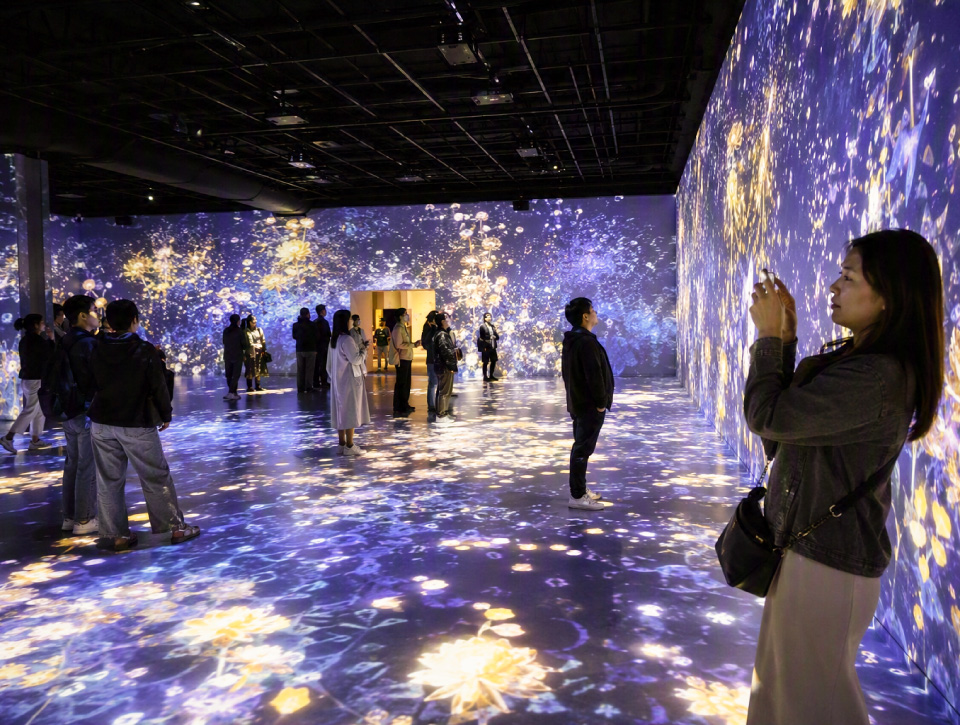
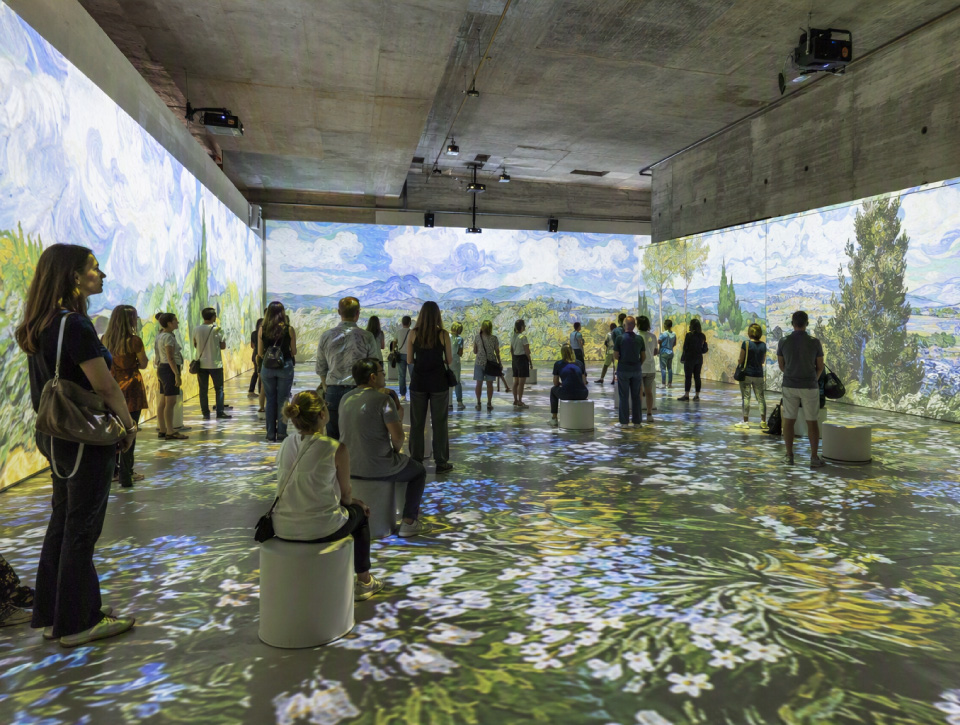
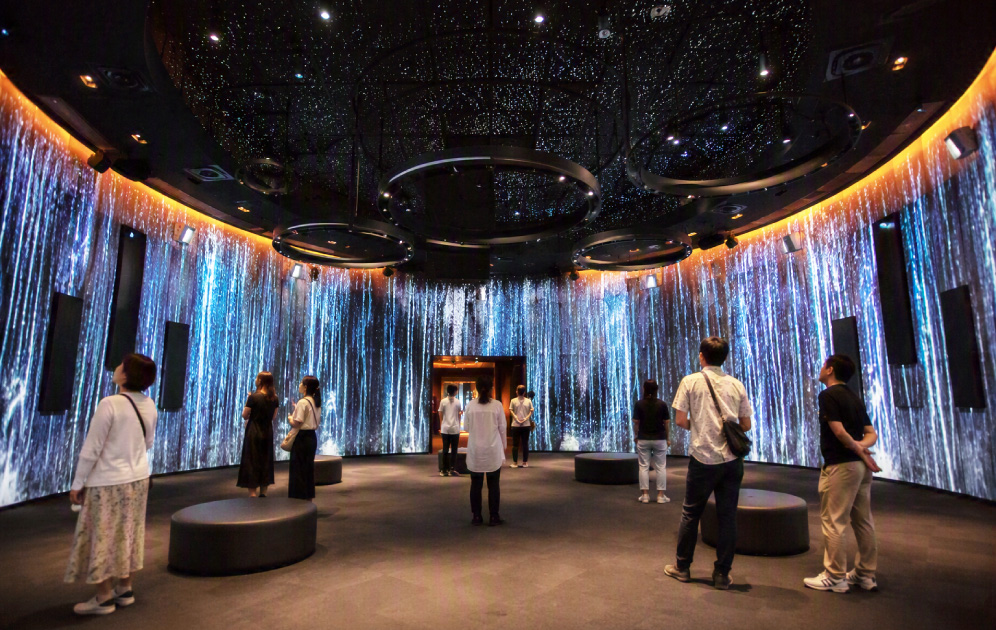
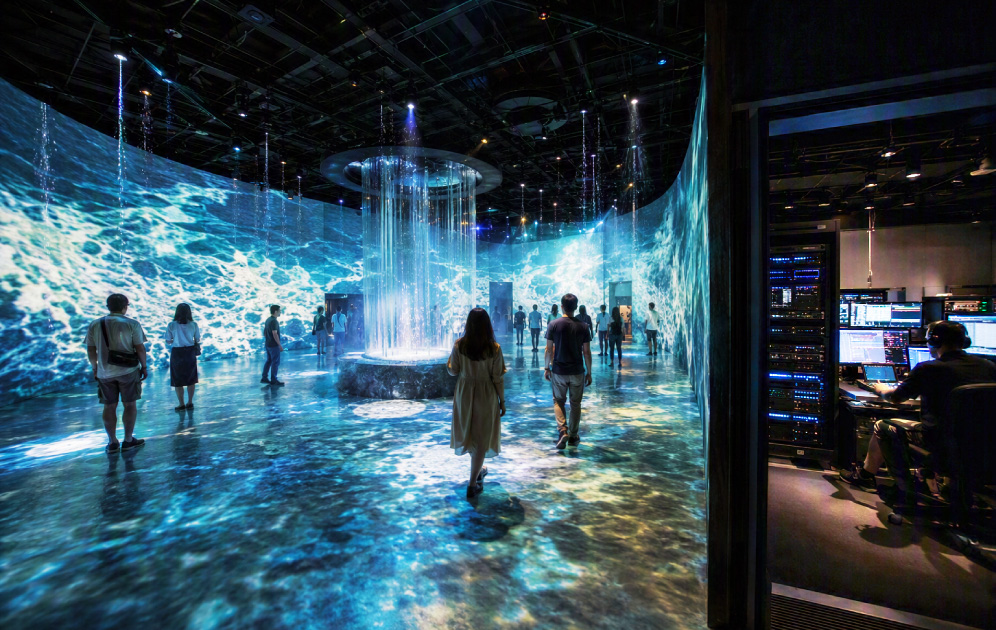
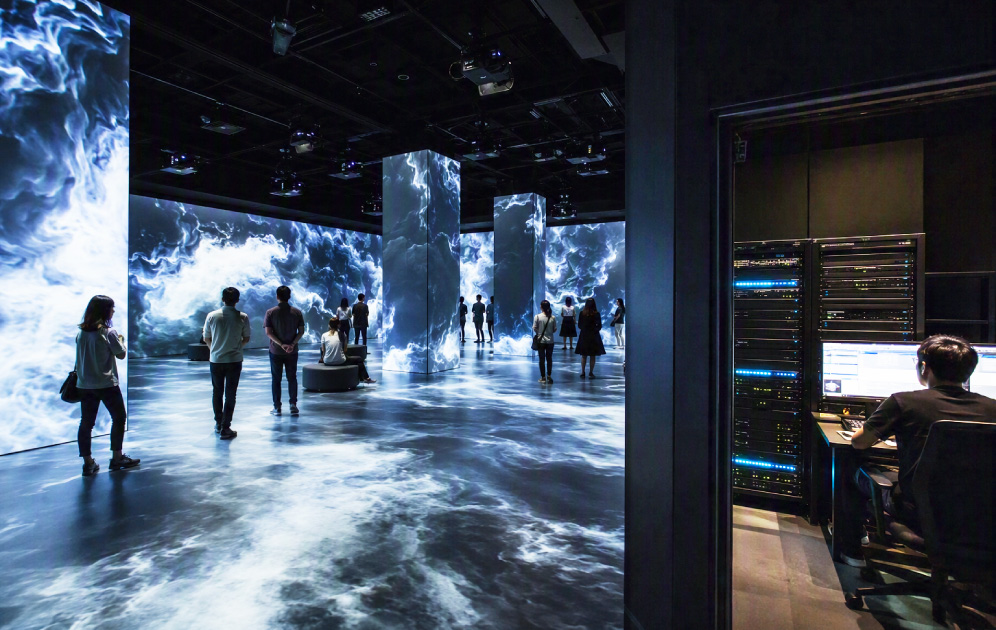
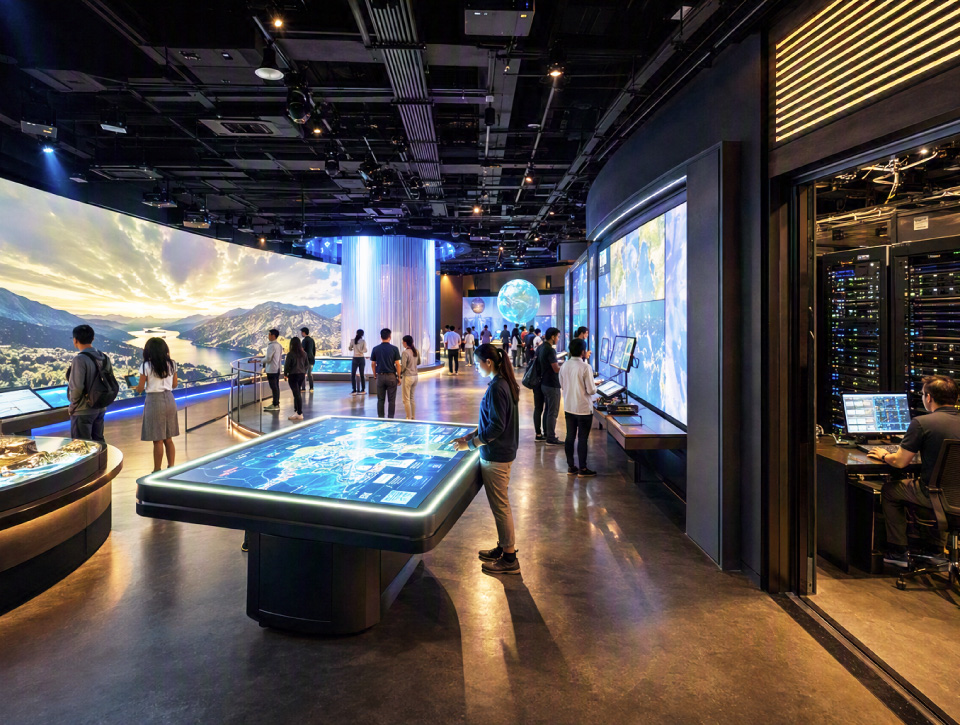
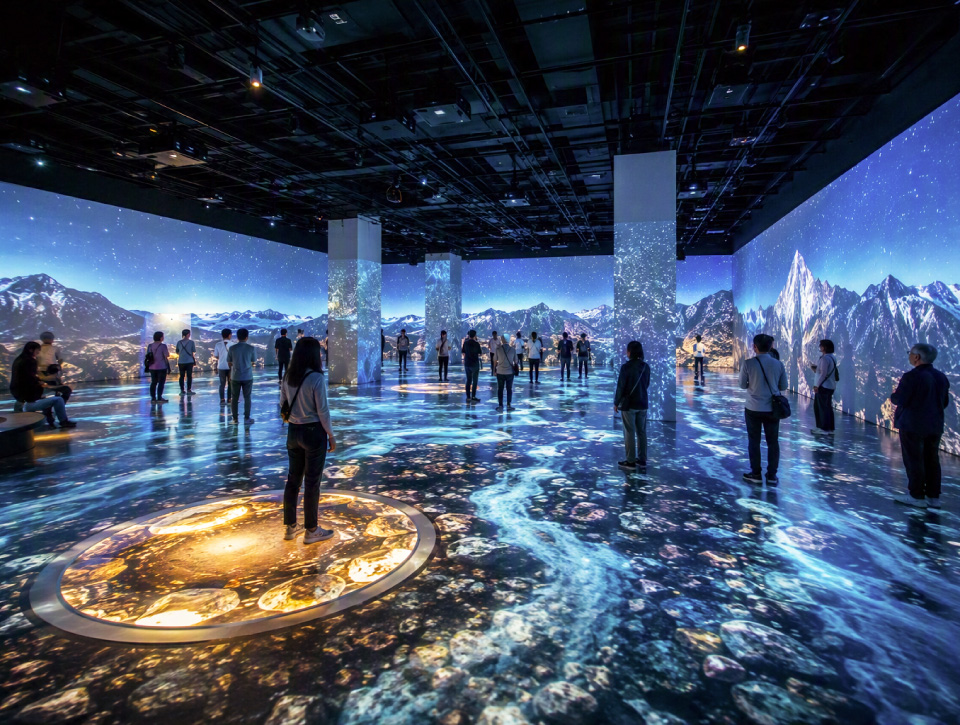
An immersive environment is a technology-enabled space that combines visuals, audio, spatial design, content, and environmental effects to create a unified experience that surrounds and engages audiences.
- Create memorable experiences
- Strengthen audience engagement
- Support immersive storytelling
Experience Benefits
Why Organizations Choose Immersive Environments
More Memorable Experiences
Create environments that leave lasting impressions and increase audience recall.
Stronger Emotional Connection
Use visual, audio, and environmental storytelling to strengthen engagement with brands, content, and experiences.
Flexible Content Environments
Adapt experiences for exhibitions, events, campaigns, activations, and changing visitor journeys.
Scalable Experience Platforms
Build immersive environments that can evolve through new content without rebuilding the underlying technology infrastructure.
Technologies That Power Immersive Environments
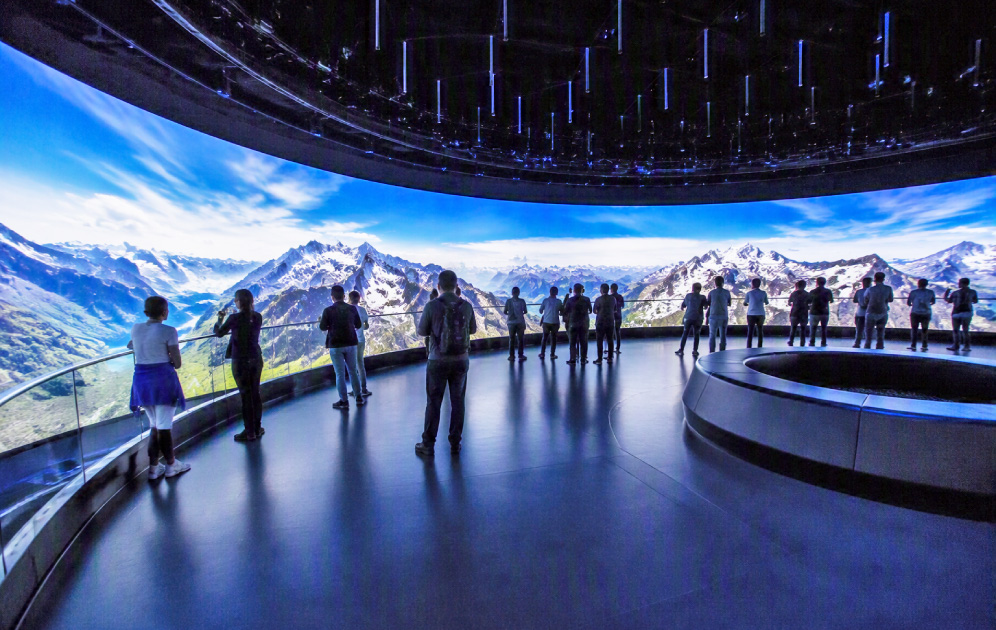
Visual technologies form the foundation of immersive environments by surrounding audiences with dynamic content.
- Projection Mapping Systems
- Large-Format Projection
- Curved Display Environments
- 360° Display Systems
Audio systems help create depth, directionality, and environmental realism throughout the experience.
- Spatial Audio Systems
- Multi-Channel Audio
- Object-Based Audio
- Immersive Sound Platforms
Control platforms coordinate visual, audio, and environmental elements into a unified experience.
- Show Control Systems
- Automation Platforms
- Synchronization Engines
- Experience Controllers
Rendering technologies enable complex content delivery across multiple synchronized surfaces.
- Media Servers
- Real-Time Rendering Platforms
- Content Distribution Systems
- Visualization Engines
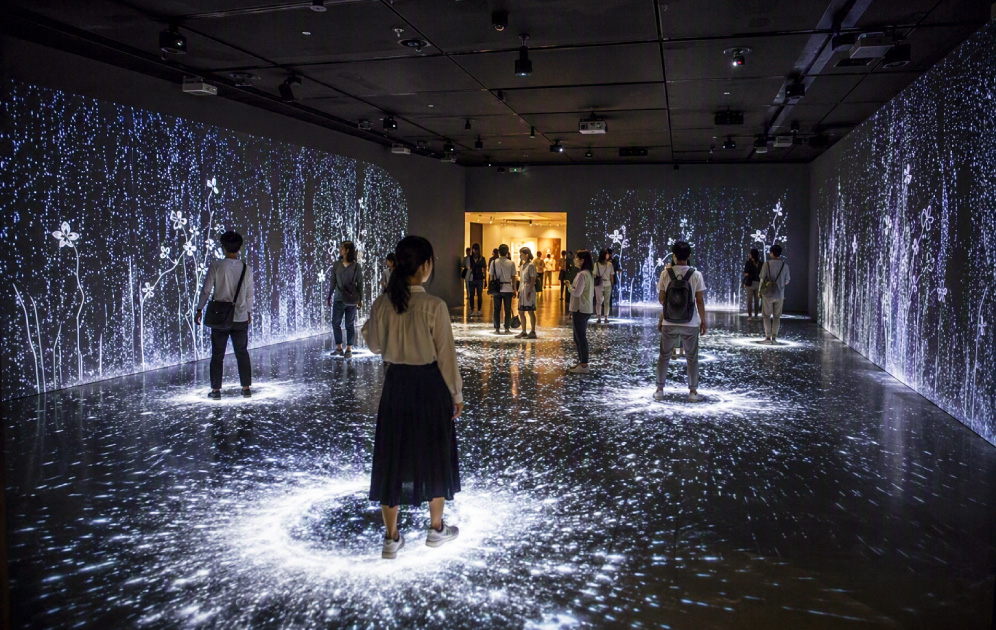
Immersive environments often incorporate interaction and environmental effects that respond to audience presence.
- Motion Sensors
- Interactive Technologies
- Environmental Effects
- Intelligent Response Systems
Supporting infrastructure ensures reliability, scalability, and long-term system performance.
- Network Infrastructure
- Content Distribution Networks
- Structural Integration
- Monitoring & Support Systems
Technology Partners
Collaborating With Industry-Leading Technology Manufacturers


AV/IT System Integration
End-to-End Solutions Design by ELTEK Integrate
ELTEK Integrate manages immersive space projects end to end, aligning projection engineering, spatial audio design, show control, structural integration, and long-term support.
Our approach includes:
- venue assessment and architectural evaluation
- projection, display, and audio system design based on room geometry and content
- media server, show control, and synchronization architecture
- lighting and multi-sensory effects integration where required
- network and content distribution infrastructure planning
- installation, calibration, testing, and operator training
- ongoing monitoring, maintenance, and content refresh support
Value & Differentiation
Why Immersive Space Design Matters
An immersive space is not just a large projection or a few speakers in a room. Its value depends on how precisely every element — visuals, audio, lighting, and sometimes physical effects — stays synchronized and calibrated to the actual architecture of the space.
Get it wrong and immersive installations feel disjointed, technically unreliable, or simply underwhelming compared to the ambition behind them. Get it right, and the space becomes a genuinely memorable experience, one visitors describe to others long after they’ve left.
That’s the gap ELTEK Integrate closes: bringing projection engineering, spatial audio design, show control, and long-term support together so immersive spaces deliver the impact they were actually designed for, performance after performance.
Immersive Spaces & Experiences
Typical Use Cases
Immersive spaces can support a wide range of high-impact experiential scenarios:
Brand Activations & Launches
Immersive environments creating memorable moments for product launches and brand events.
Museum & Cultural Installations
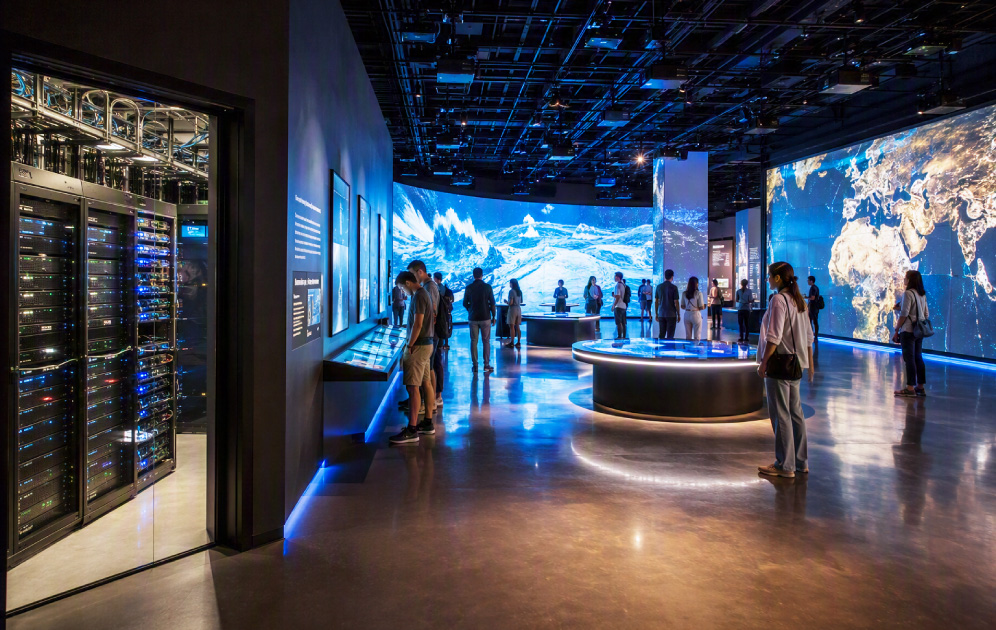
Multi-sensory exhibits that deepen engagement with content and storytelling.
Corporate Showcases & Innovation Centers
Immersive environments demonstrating a brand's technology, vision, or story.
Entertainment & Attraction Venues
Large-scale immersive experiences designed for public entertainment and attractions.
Retail Flagship Experiences
Immersive brand environments differentiating flagship stores from standard retail locations.
Event & Exhibition Spaces
Temporary or touring immersive installations for conferences, trade shows, and exhibitions.
Educational & Science Centers
Immersive environments supporting experiential learning and scientific exploration.
Art & Cultural Installations
Large-scale projection and sensory art installations for galleries and public spaces.
Frequently Asked Questions
Immersive Environments FAQs
What is an immersive environment?
An immersive environment is a technology-enabled space that combines visuals, audio, lighting, content, and other sensory elements into a unified experience designed to surround and engage audiences.
What is the difference between an immersive environment and an interactive experience?
Interactive experiences focus on user participation through touch, gestures, or other forms of interaction. Immersive environments focus on surrounding visitors with synchronized visual, audio, and environmental elements that create a complete experiential space.
What technologies are commonly used in immersive environments?
Immersive environments typically combine projection mapping, large-format displays, spatial audio systems, media servers, show control platforms, lighting systems, content rendering technologies, and interactive elements.
Where are immersive environments commonly deployed?
Immersive environments are often used in museums, experience centers, brand activations, visitor attractions, corporate showcases, entertainment venues, exhibitions, and cultural institutions.
Can immersive environments be updated with new content?
Yes. Modern immersive environments are typically built around content management, media server, and show control platforms that allow organizations to update experiences without replacing the installed technology.
Need Additional Information?
If you require additional technical details or project‑specific information, our team is available to provide clarification and guidance.
Our number
+40 21 200 64 55
Our Email
Contact
Let’s Discuss Your Technology Requirements
Insights & Articles
Insights On Experience Technology
Is your AV a cybersecurity risk? NIS2 for meeting and control rooms
Every camera, codec and video wall controller on your network is an IT asset. Under NIS2, it is treated like one.
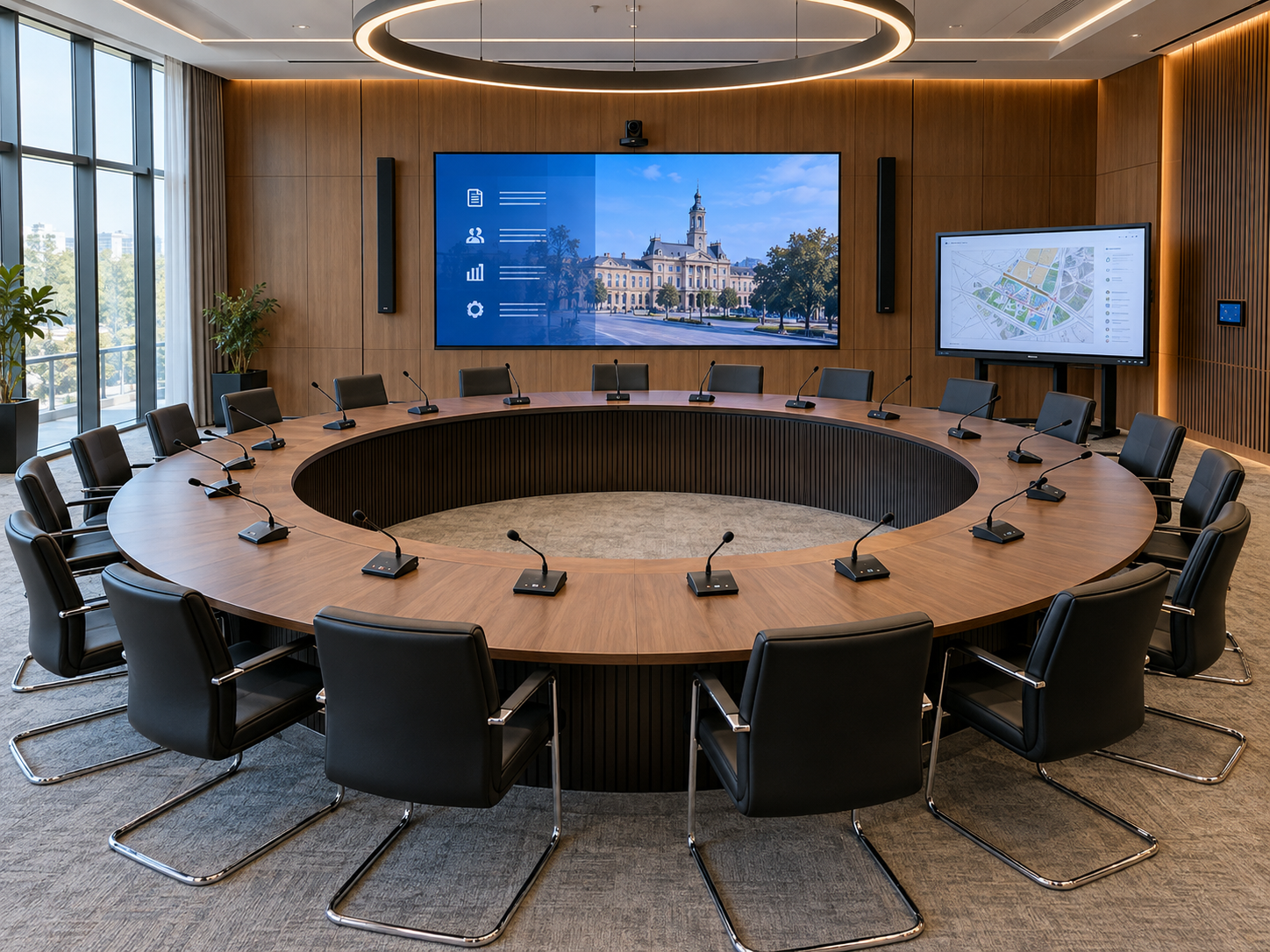
Conference systems for council chambers: a planning guide
Every word on the record, every vote counted, every citizen able to follow.
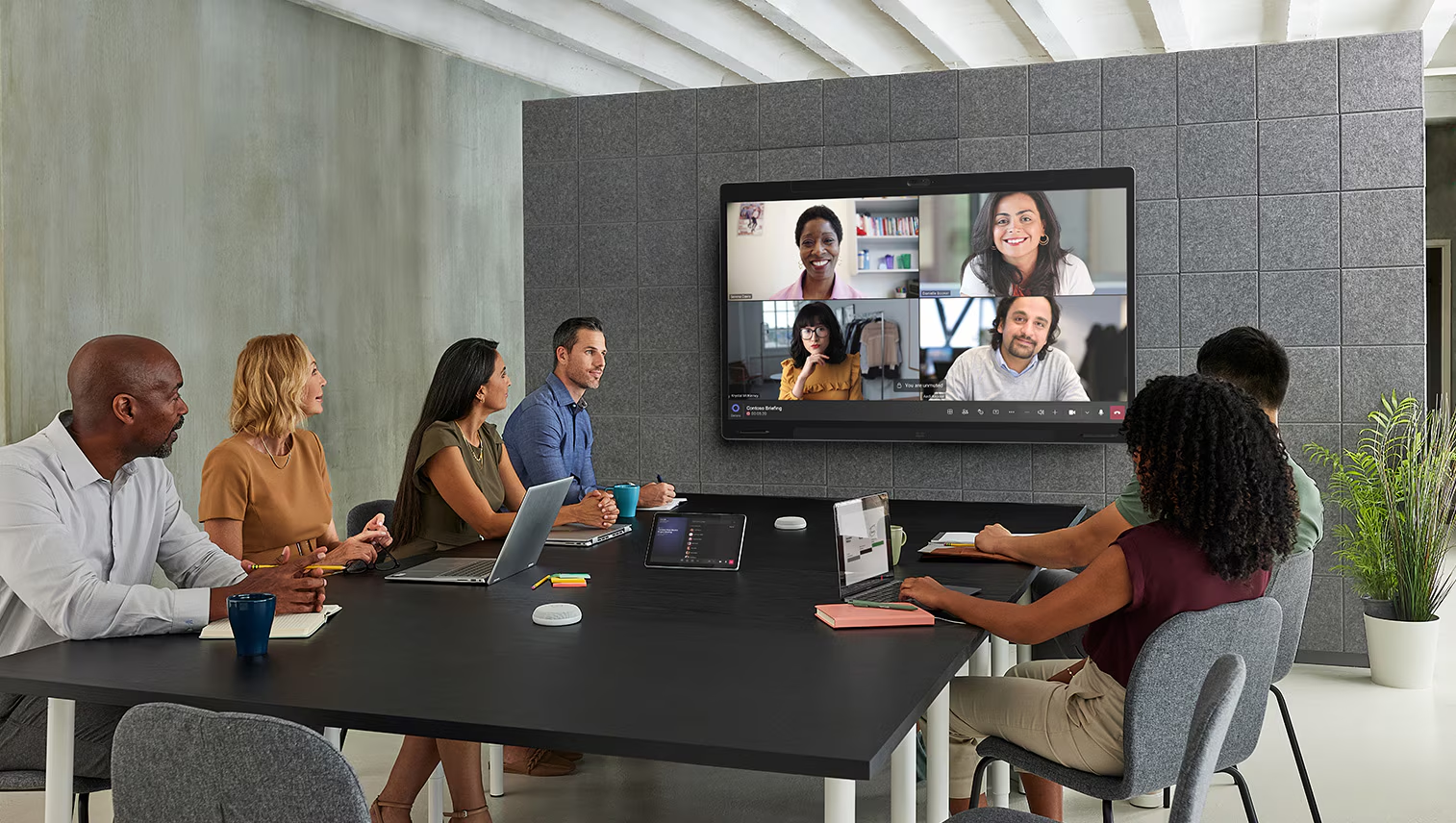
Why meeting rooms fail users: a 10-point technology checklist
Most room failures start at the design stage.
Be the First to Know — Subscribe Today!
Stay up to date with the latest insights, industry trends, company news, upcoming events, and valuable resources delivered directly to your inbox.
 LinkedIn | Youtube | Facebook | InstagramÂ