























































Smart Building Infrastructure

Homepage > IT Infrastructure > Smart Building Infrastructure

IT Infrastructure Solutions

Smart Building for Connected Facilities

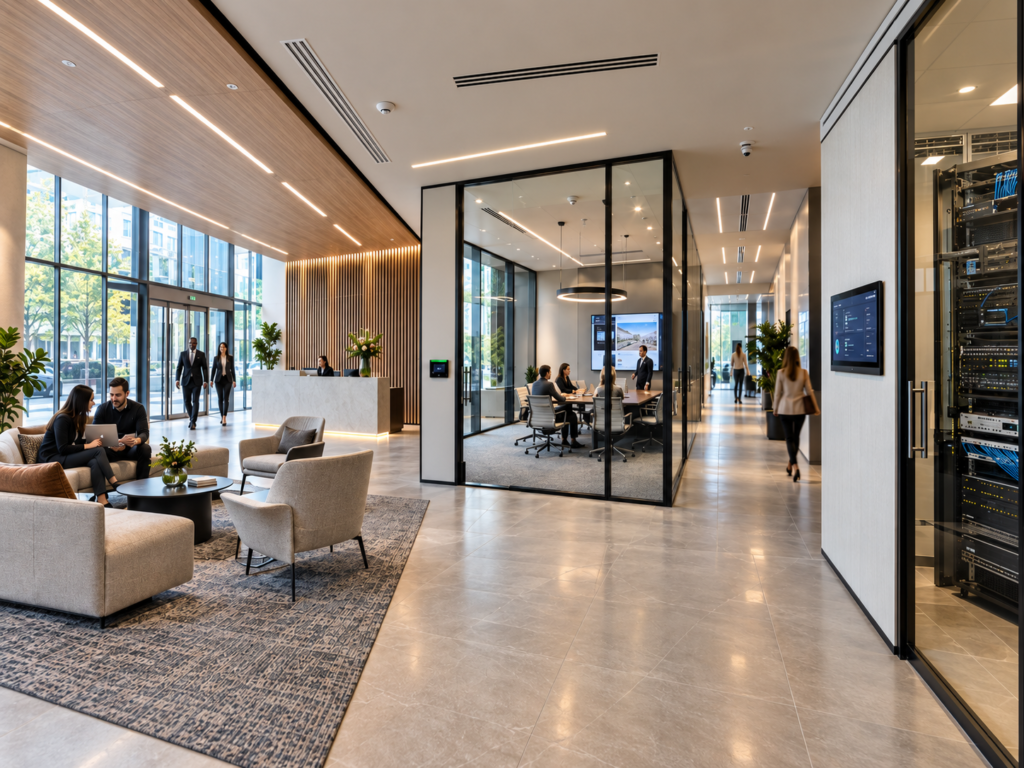
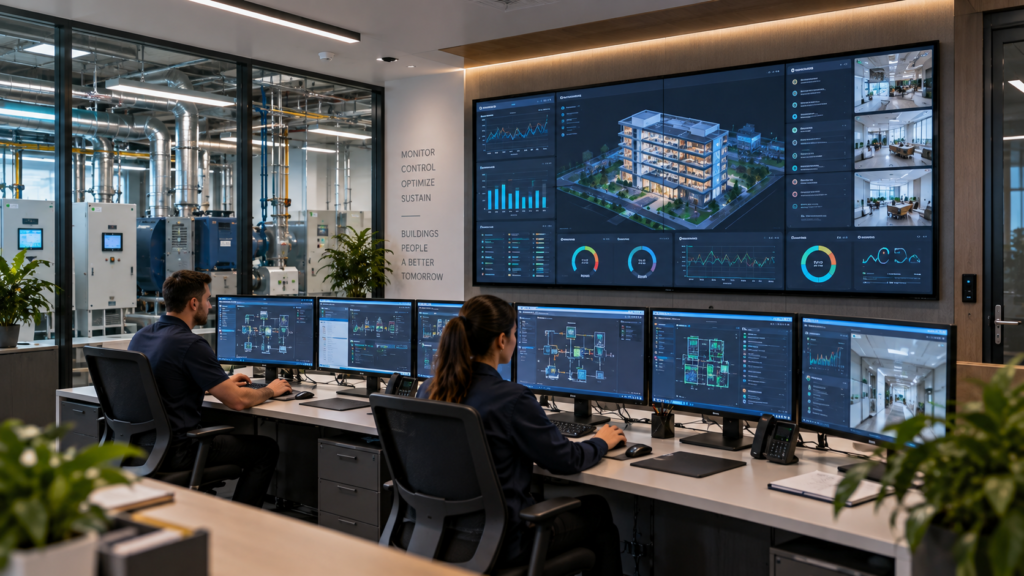
Modern buildings are increasingly made up of interconnected technologies rather than standalone systems. Lighting, HVAC, access control, occupancy sensors, digital signage, AV technologies, and facility management platforms now rely on shared infrastructure and data to operate more effectively. When these systems remain isolated, organizations often face duplicated effort, limited visibility, and reduced operational efficiency.

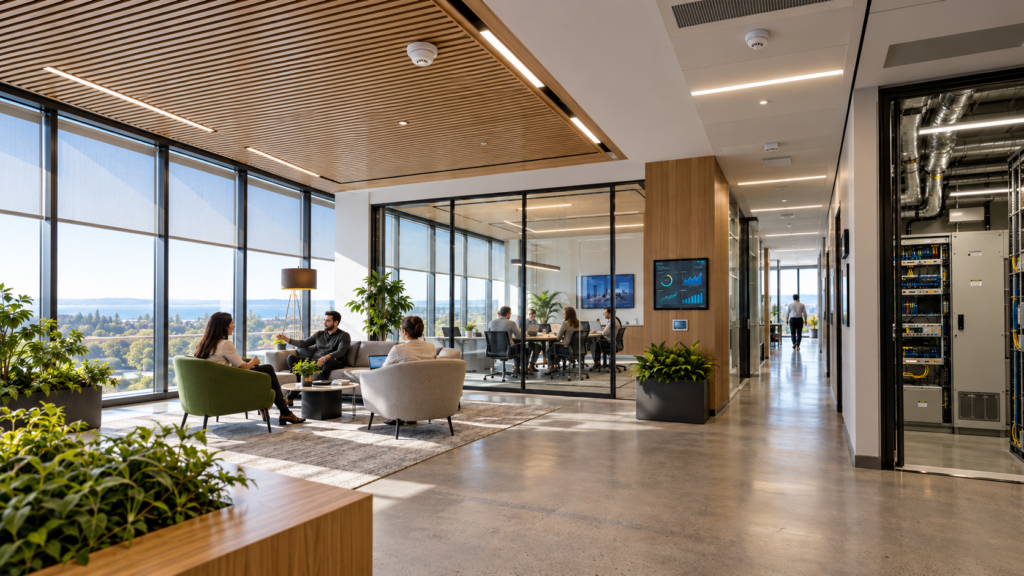
Smart building infrastructure provides the foundation that allows these systems to communicate, share information, and operate as a unified environment. By connecting technologies through common networks and management platforms, organizations can improve operational visibility, support automation, and create facilities that are easier to manage and expand over time.
Integrate Systems

What is Smart Building Infrastructure?

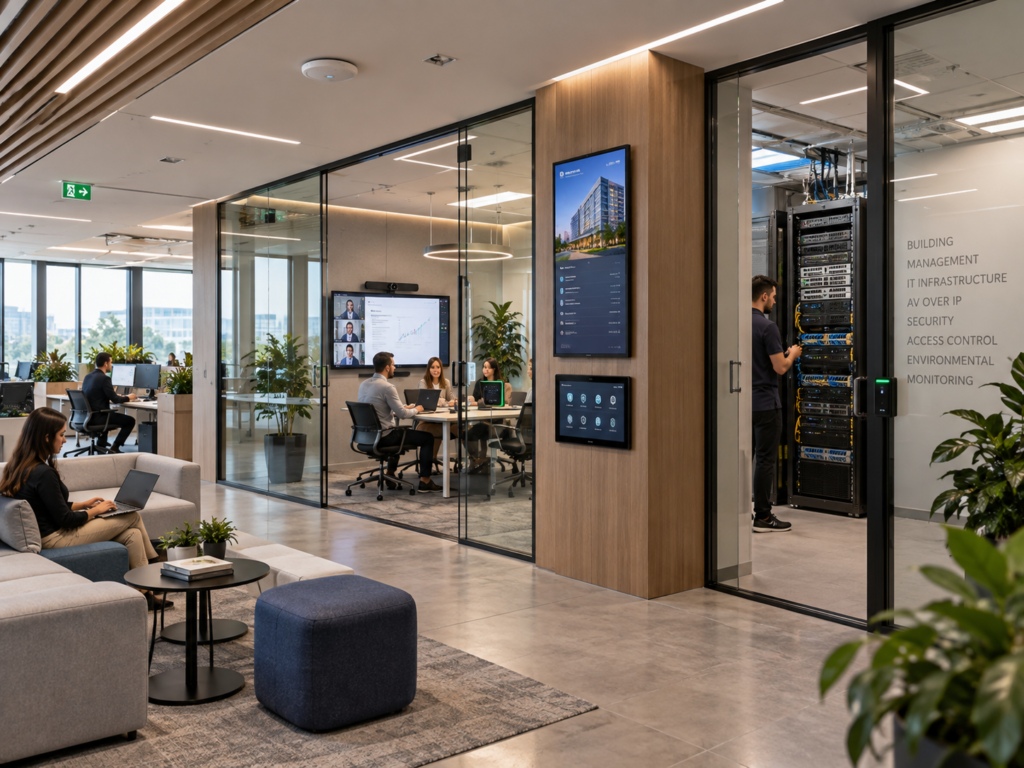
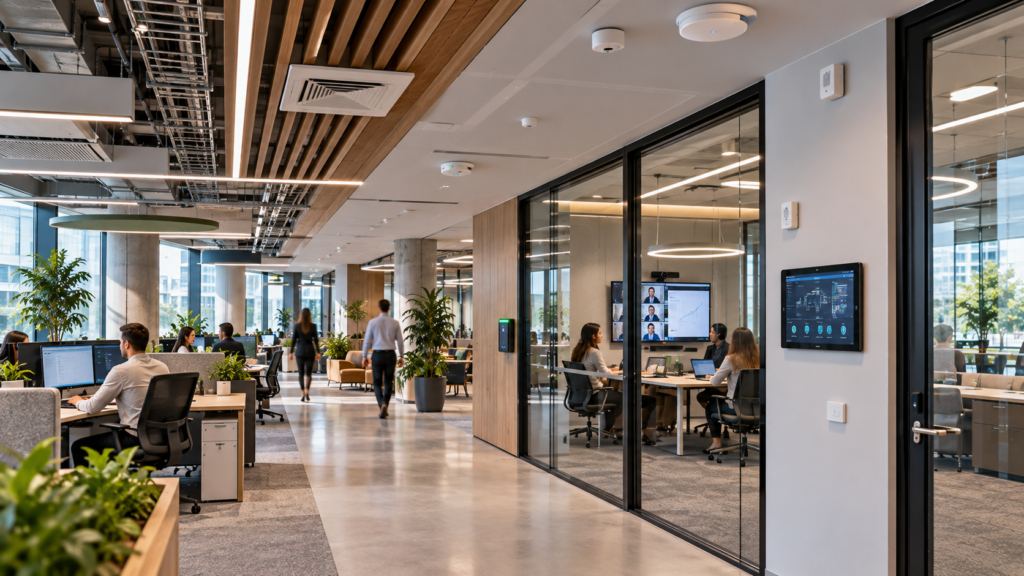
Smart building infrastructure is the network, connectivity, and integration layer that allows building systems such as lighting, HVAC, access control, sensors, digital signage, and AV technologies to communicate and operate within a shared environment. It enables building systems to move beyond isolated operation and become part of a connected facility ecosystem. 

Smart building infrastructure can help organizations:
  • Improve visibility across facility systems
  • Support automation and operational efficiency
  • Create a scalable foundation for future technologies
 
ELTEK Integrate designs smart building environments that align network infrastructure, building systems, AV technologies, security platforms, and operational workflows into connected ecosystems that support long-term facility performance and management.
Infrastructure Benefits

Why Organizations Choose Smart Building Infrastructure

Centralized Visibility

Monitor and manage multiple building systems through a connected operational environment.

Improved Operational Efficiency

Reduce manual intervention through automation, centralized management, and integrated workflows.

Better Facility Performance

Support energy management, occupancy optimization, and operational decision-making through connected data.

Future-Ready Infrastructure

Create a scalable foundation capable of supporting new building technologies and smart facility initiatives.

Technologies That Power Smart Building Infrastructure

Smart building environments combine network infrastructure, building automation, sensing technologies, management platforms, and integrated operational systems to create connected facilities.

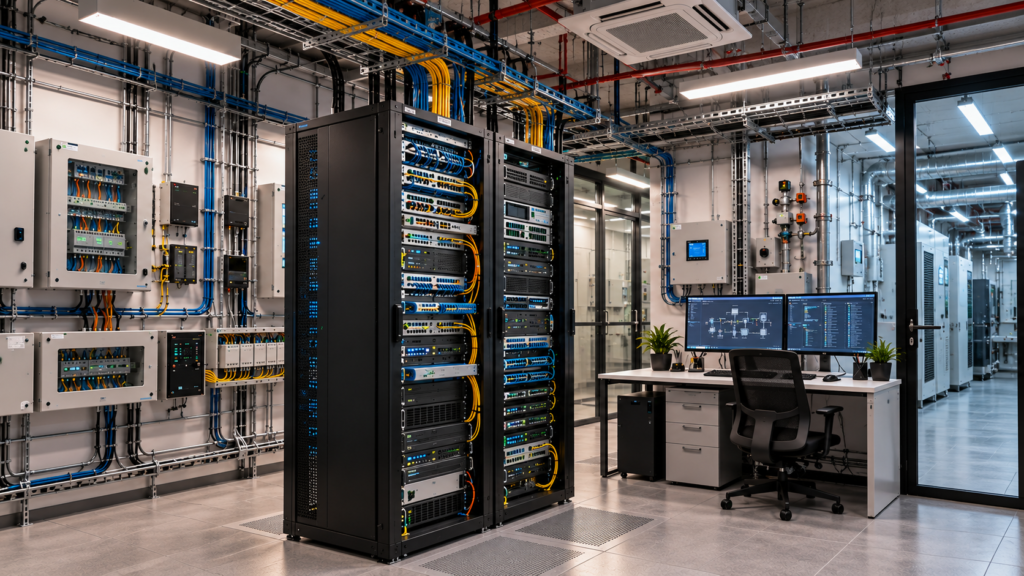
Provide the communication framework that allows building systems to exchange data and operate together.

Technologies may include:
  • Building Automation Networks
  • Control Networks
  • Building Communication Protocols
  • Segmented Operational Networks

Connected devices provide operational visibility throughout the facility.

Technologies may include:
  • Occupancy Sensors
  • Environmental Sensors
  • Air Quality Monitoring
  • Smart Building Endpoints

Centralized platforms help bring multiple systems together into a single operational view.

Technologies may include:
  • Building Management Systems
  • Facility Dashboards
  • Operational Control Interfaces
  • Centralized Monitoring Platforms

Automation helps improve facility efficiency and performance.

Technologies may include:
  • Energy Monitoring Platforms
  • Lighting Control Systems
  • HVAC Automation
  • Sustainability Reporting Tools

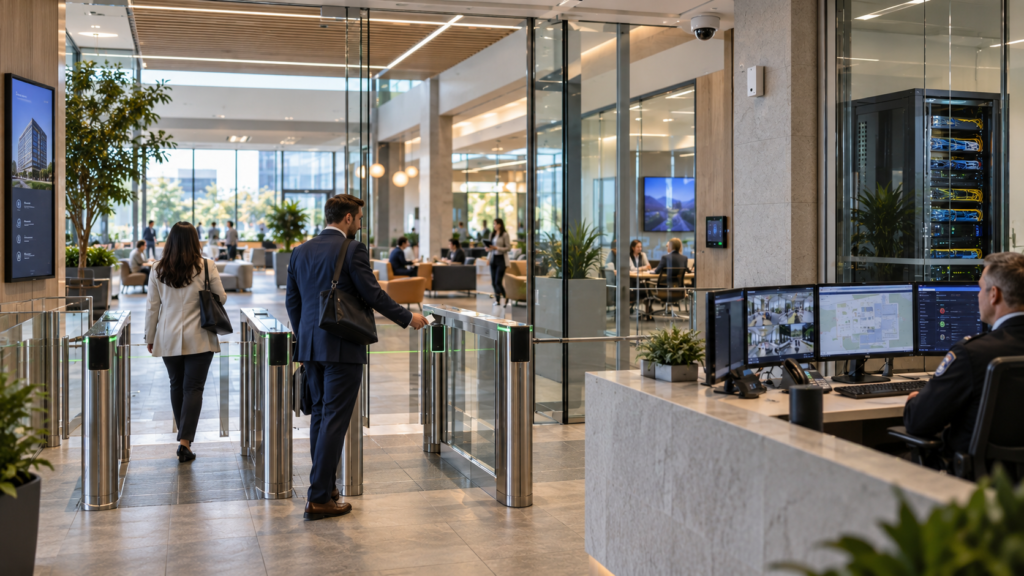
Physical security systems increasingly share infrastructure with other building technologies.

Technologies may include:
  • Access Control Systems
  • Visitor Management Platforms
  • Video Surveillance Integration
  • Security Monitoring Systems

Connected facilities often incorporate workplace and experience technologies into the same infrastructure environment.

Technologies may include:
  • Digital Signage
  • Wayfinding Systems
  • Room Scheduling Displays
  • Workplace Technology Platforms
Technology Partners

Collaborating With Industry-Leading Technology Manufacturers

AV/IT System Integration

End-to-End Solutions Design by ELTEK Integrate

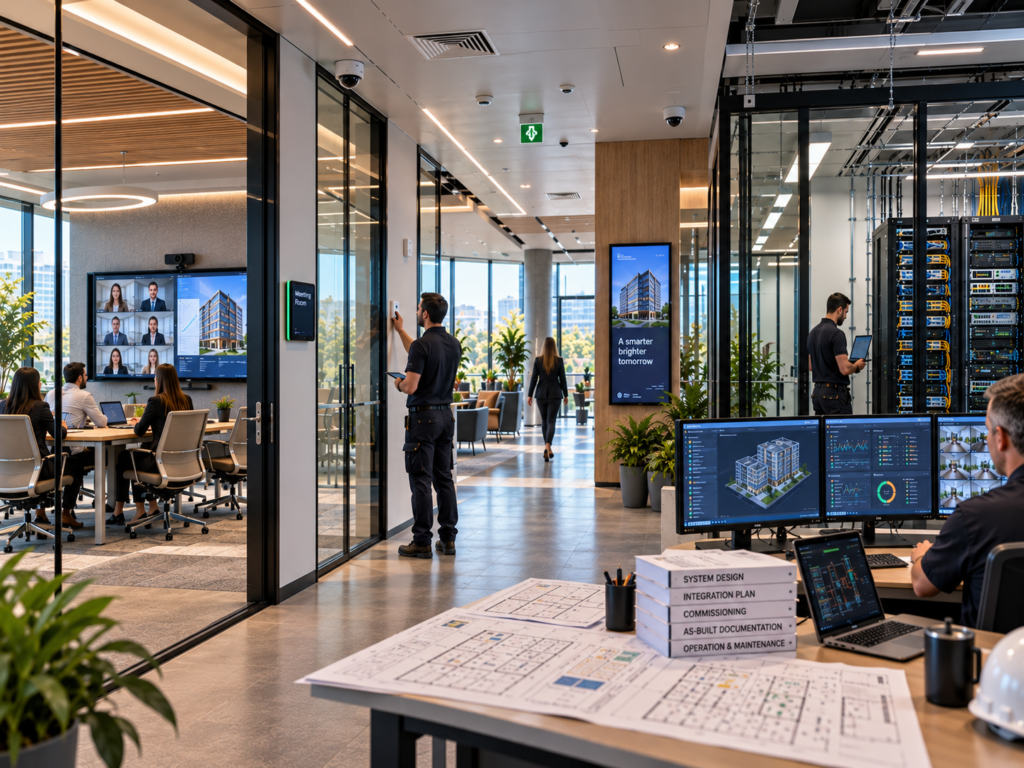
ELTEK Integrate acts as a single point of responsibility for smart building infrastructure projects, ensuring technical consistency and long-term reliability.

Our approach includes:

  • assessment of existing building systems and integration opportunities
  • network and infrastructure design supporting building automation and IoT devices
  • installation, configuration, and integration across building subsystems
  • testing and validation of automation rules and centralized management
  • documentation of systems and integration points for future expansion
  • ongoing monitoring, support, and infrastructure lifecycle planning
Value & Differentiation

Why Smart Building Infrastructure Matters

Smart building infrastructure should not be treated as a collection of separately deployed systems that happen to share a building. It has its own design logic: a shared, properly segmented network foundation supporting automation, sensors, and centralized management — decisions that determine whether a building’s systems work together or simply sit next to each other.

When poorly designed, smart building deployments end up as disconnected as the traditional systems they were meant to improve on — isolated dashboards, inconsistent data, and infrastructure that can’t support the next system added. When properly designed, building systems share one foundation, delivering the centralized visibility and automation that make a building genuinely smart.

ELTEK Integrate brings together network design, systems integration, and long-term support to deliver smart building infrastructure that unifies previously disconnected systems into one manageable environment.

Smart Building Infrastructure

Typical Use Cases

Smart building infrastructure supports a wide range of organizational needs:

New Building Automation Deployments

Organizations building or renovating facilities need network infrastructure designed to support automation from the start.

Legacy System Consolidation

Organizations with separately managed lighting, HVAC, and access control systems need infrastructure unifying them into one platform.

Energy Efficiency Initiatives

Organizations pursuing energy savings need coordinated automation across lighting, HVAC, and occupancy sensing.

IoT Sensor Network Rollouts

Organizations deploying occupancy, environmental, or utilization sensors need connectivity designed to scale with device growth.

Campus-Wide Smart Building Standardization

Organizations with multiple buildings need consistent smart building infrastructure standards applied across sites.

Digital Signage & Wayfinding Integration

Organizations deploying signage alongside other building systems need shared infrastructure reducing management complexity.

Access Control & Automation Convergence

Organizations looking to unify security and building automation need integrated infrastructure supporting both functions.

Sustainability & Reporting Requirements

Organizations facing sustainability reporting requirements need data collection infrastructure supporting accurate facility reporting.

Frequently Asked Questions

Smart Building Infrastructure FAQs

What is smart building infrastructure?

Smart building infrastructure is the network, connectivity, and integration foundation that enables building systems such as lighting, HVAC, security, sensors, and AV technologies to communicate and operate together.

A building becomes smart when systems can share data, support automation, provide centralized visibility, and respond to operational conditions through connected infrastructure and management platforms.

Smart building environments commonly integrate lighting, HVAC, access control, occupancy sensors, environmental monitoring, digital signage, AV systems, and building management platforms.

A Building Management System is a centralized platform used to monitor and manage building operations such as environmental controls, energy management, building automation, and facility monitoring.

By allowing systems to share information and automate actions, smart buildings help reduce manual processes, improve visibility, optimize resource usage, and support more informed facility management decisions.

Need Additional Information?

If you require additional technical details or project‑specific information, our team is available to provide clarification and guidance.

Our number
+40 21 200 64 55
Contact

Let’s Discuss Your Technology Requirements

Insights & Articles

Insights On IT Infrastructure

Is your AV a cybersecurity risk? NIS2 for meeting and control rooms

Is your AV a cybersecurity risk? NIS2 for meeting and control rooms

Every camera, codec and video wall controller on your network is an IT asset. Under NIS2, it is treated like one.
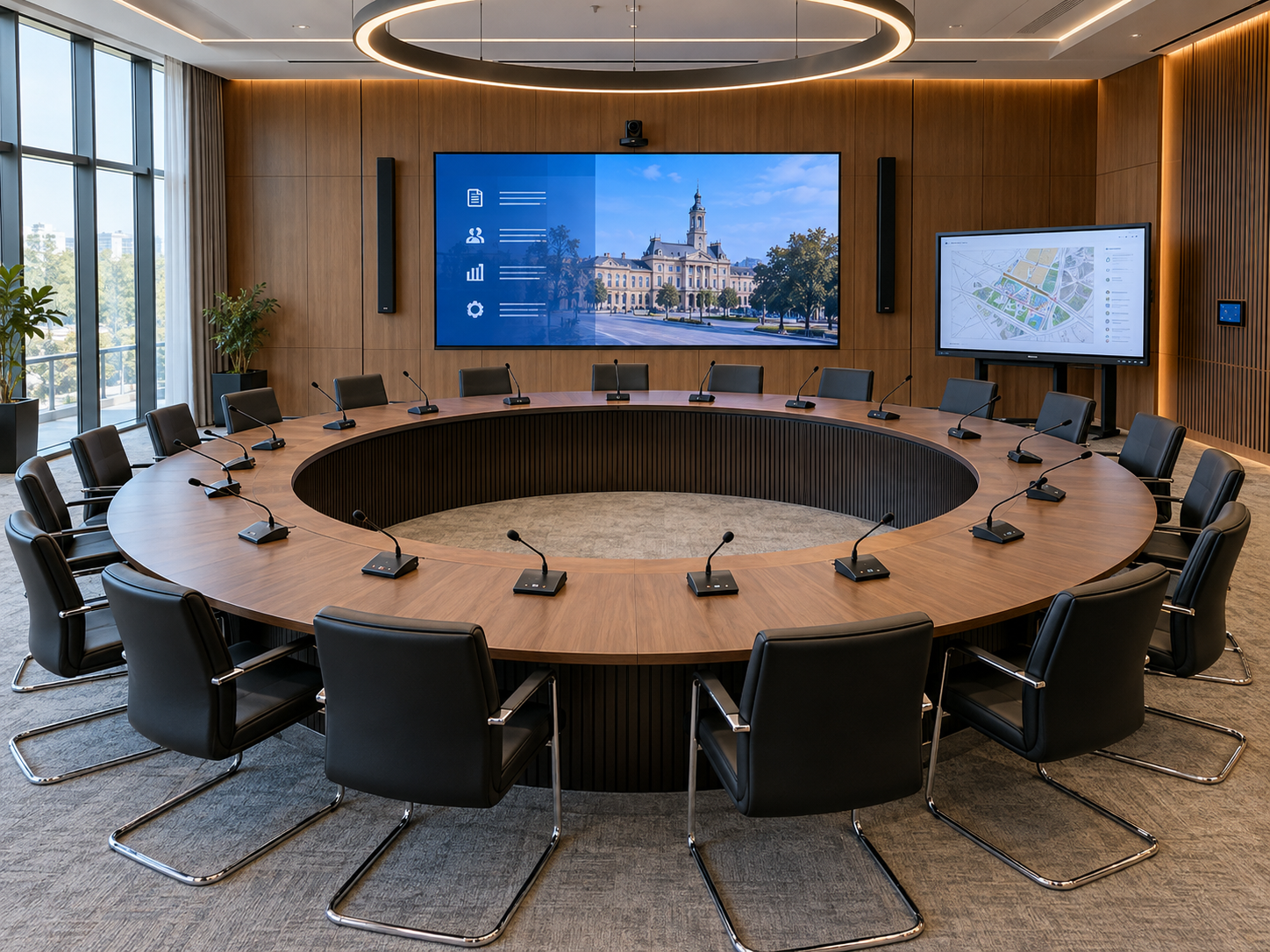
Conference systems for council chambers: a planning guide

Conference systems for council chambers: a planning guide

Every word on the record, every vote counted, every citizen able to follow.

Be the First to Know — Subscribe Today!

Stay up to date with the latest insights, industry trends, company news, upcoming events, and valuable resources delivered directly to your inbox.

 LinkedIn | Youtube | Facebook | InstagramÂ