





















































Security Operations Centers

Homepage > Control Rooms & Operations Centers > Security Operations Centers

Control Room Solutions

SOC for Threat Detection and Incident Response

Organizations face growing cybersecurity and physical security challenges while managing an increasing number of systems, alerts, events, and monitoring platforms. Security teams require environments that help them investigate threats, coordinate responses, and maintain visibility across multiple domains.

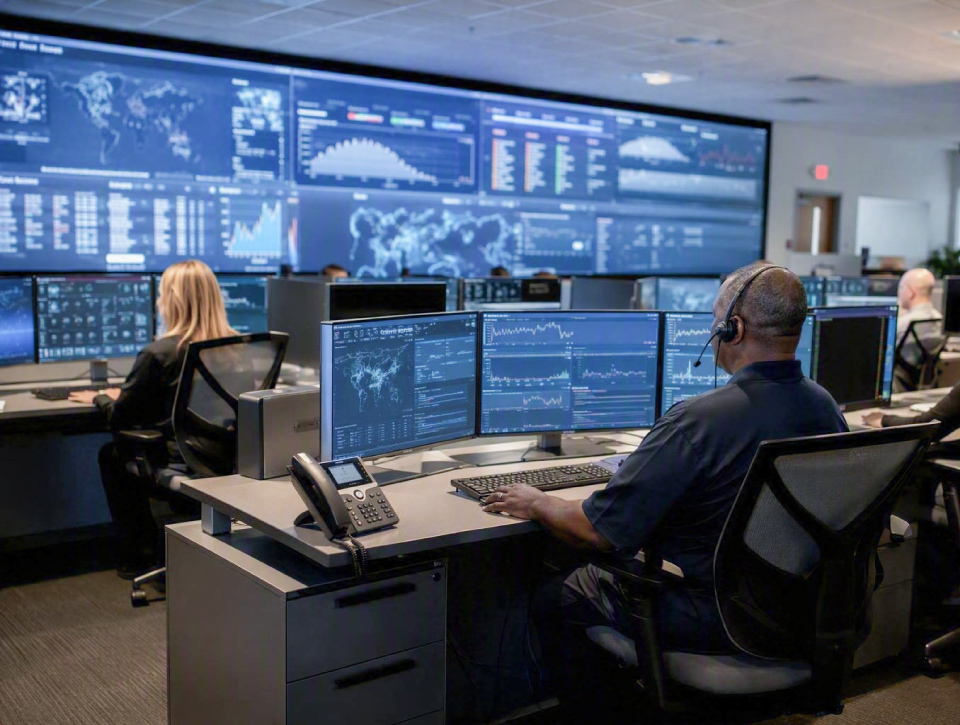
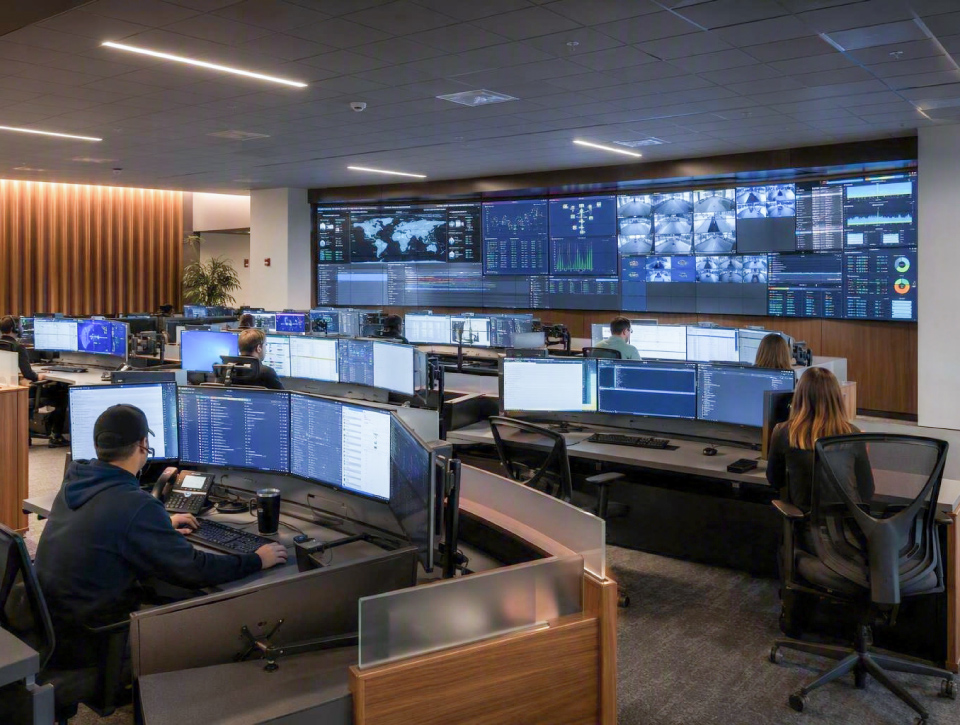
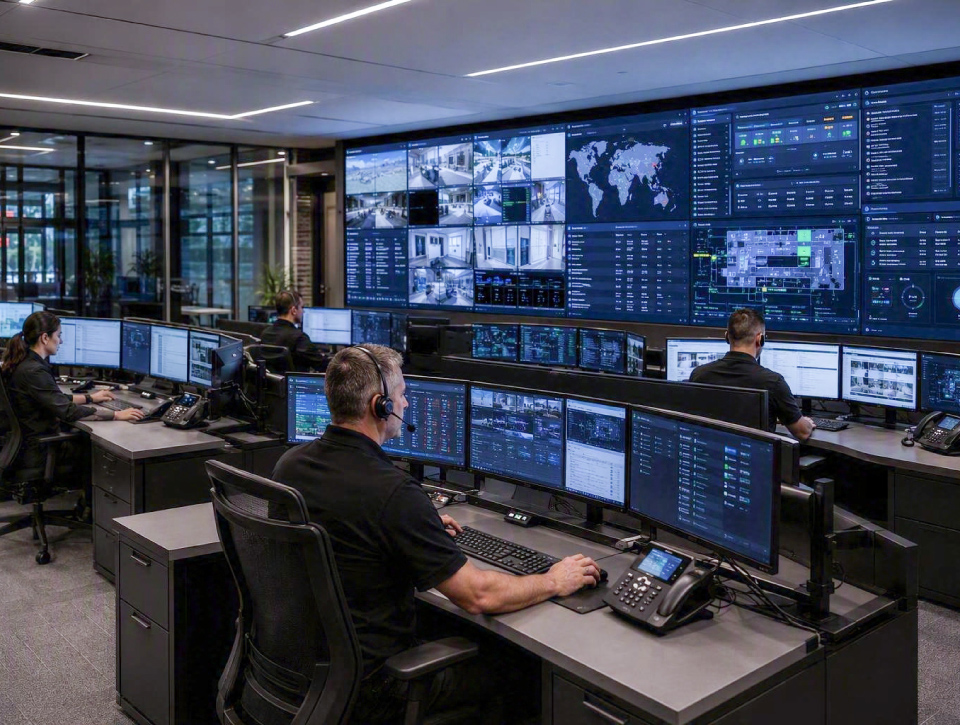
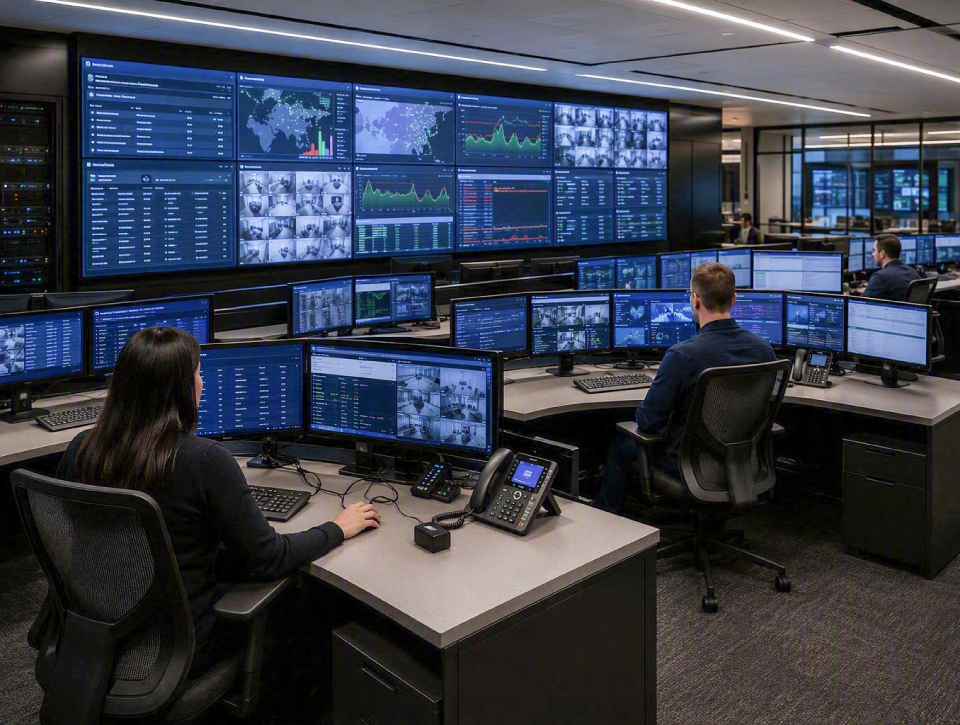
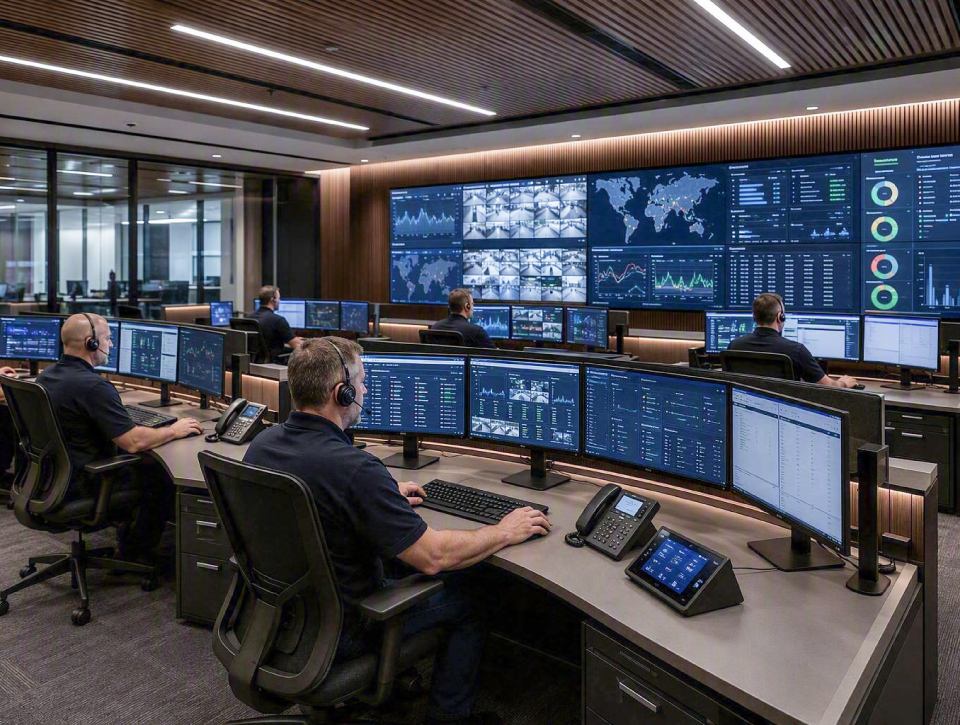
Security Operations Centers provide a dedicated environment where analysts, security teams, and decision-makers can monitor activity, investigate incidents, and coordinate actions. Effective SOC design helps organizations improve response capabilities while supporting long-term operational resilience.
Integrate Systems

What is a Security Operations Center?

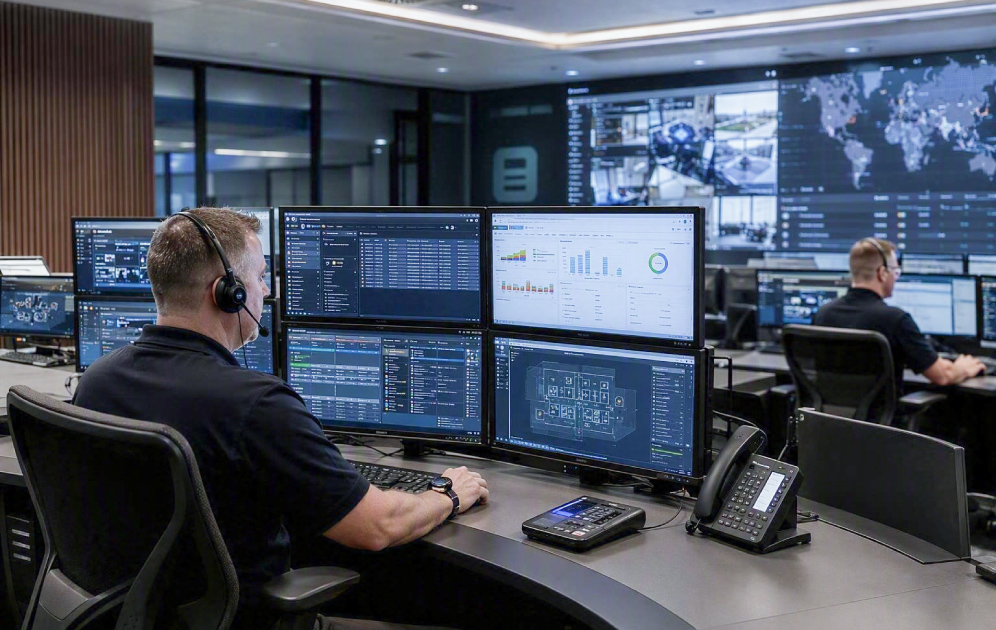
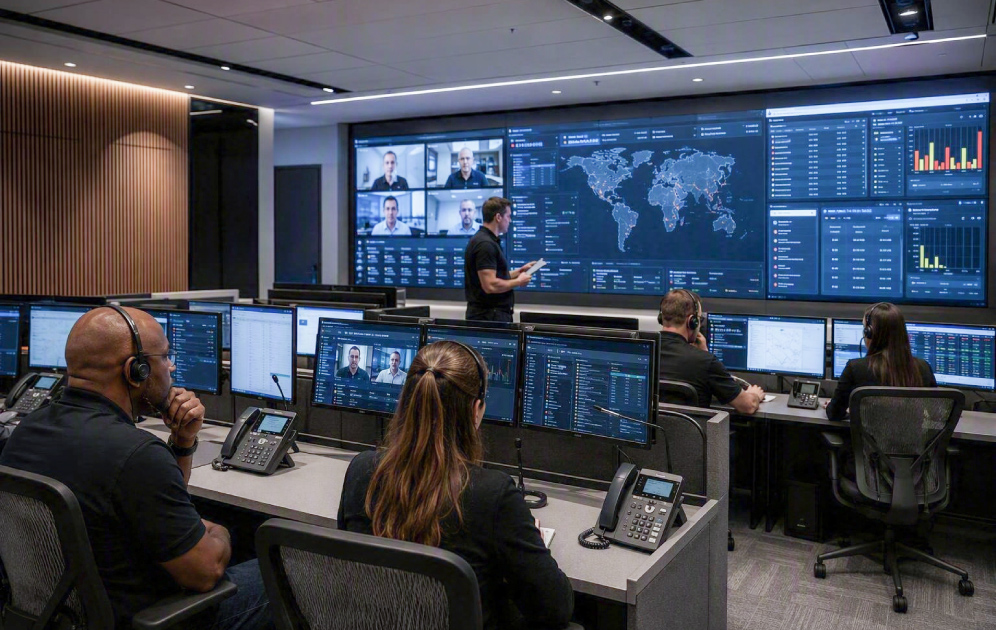
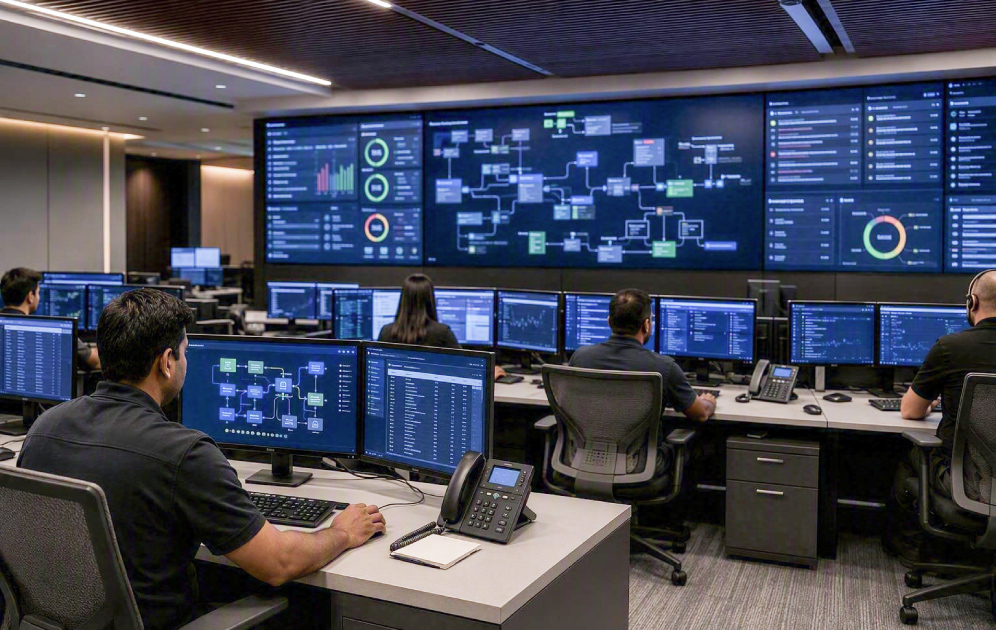
A Security Operations Center (SOC) is a centralized environment where security teams monitor threats, investigate incidents, analyze events, and coordinate response activities across security systems and operational platforms.

Security Operations Centers can help organizations:
  • Improve threat visibility
  • Accelerate incident response
  • Support coordinated security operations
 
ELTEK Integrate designs SOC environments that combine visualization systems, analyst workstations, communications technologies, secure access platforms, and supporting infrastructure into effective security operations ecosystems.

Core Technologies for Security Operations Centers

Security Operations Centers combine monitoring technologies, shared visualization systems, secure operator environments, communication platforms, and supporting infrastructure to create environments designed for threat detection, investigation, and incident response.

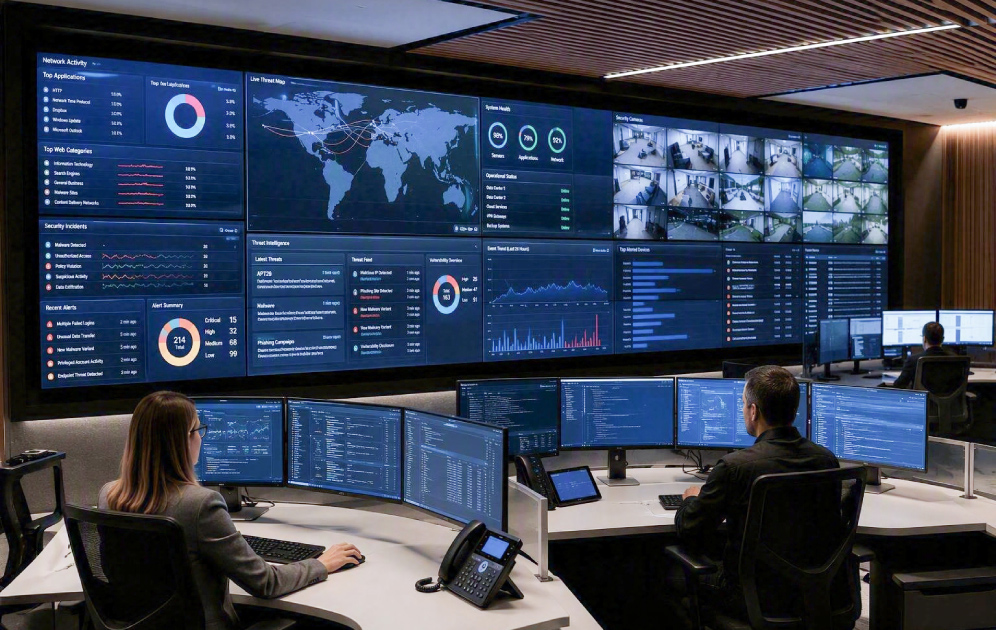
Visualization technologies help teams maintain a shared understanding of security events and operational risk.

Technologies may include:
  • Security Video Walls
  • Shared Dashboards
  • Alert Visualization Platforms
  • Security Monitoring Displays

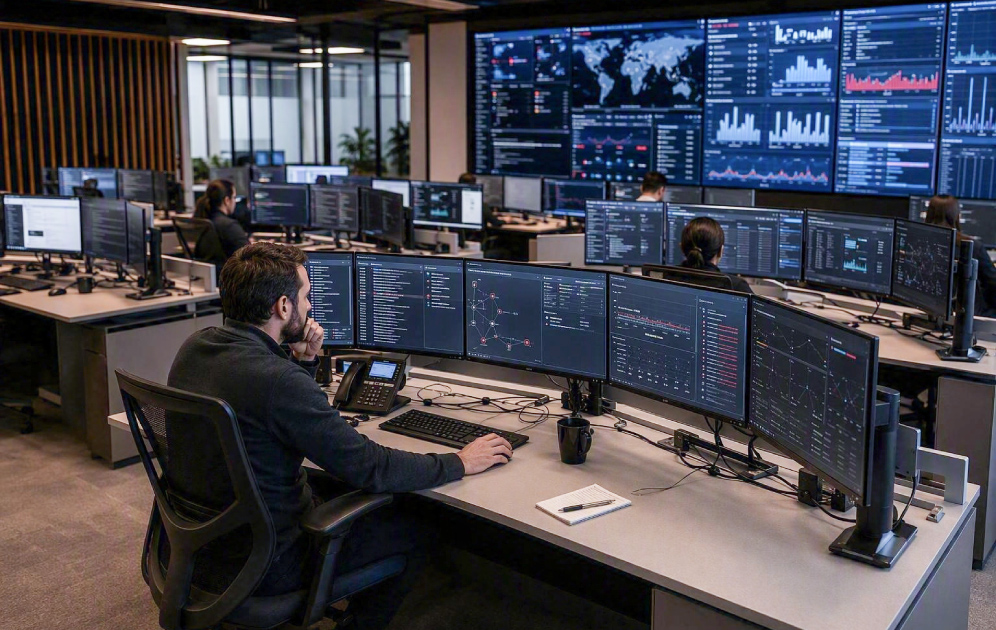
Operator environments help analysts investigate incidents and access multiple security platforms efficiently.

Technologies may include:
  • Security Analyst Consoles
  • Multi-Monitor Workstations
  • Supervisor Stations
  • Ergonomic Monitoring Environments

Security teams often require controlled access to multiple platforms and information sources.

Technologies may include:
  • KVM Systems
  • Secure Access Platforms
  • Signal Management Technologies
  • Multi-System Access Workflows

Security operations frequently require collaboration with internal and external stakeholders.

Technologies may include:
  • Unified Communications
  • Incident Briefing Systems
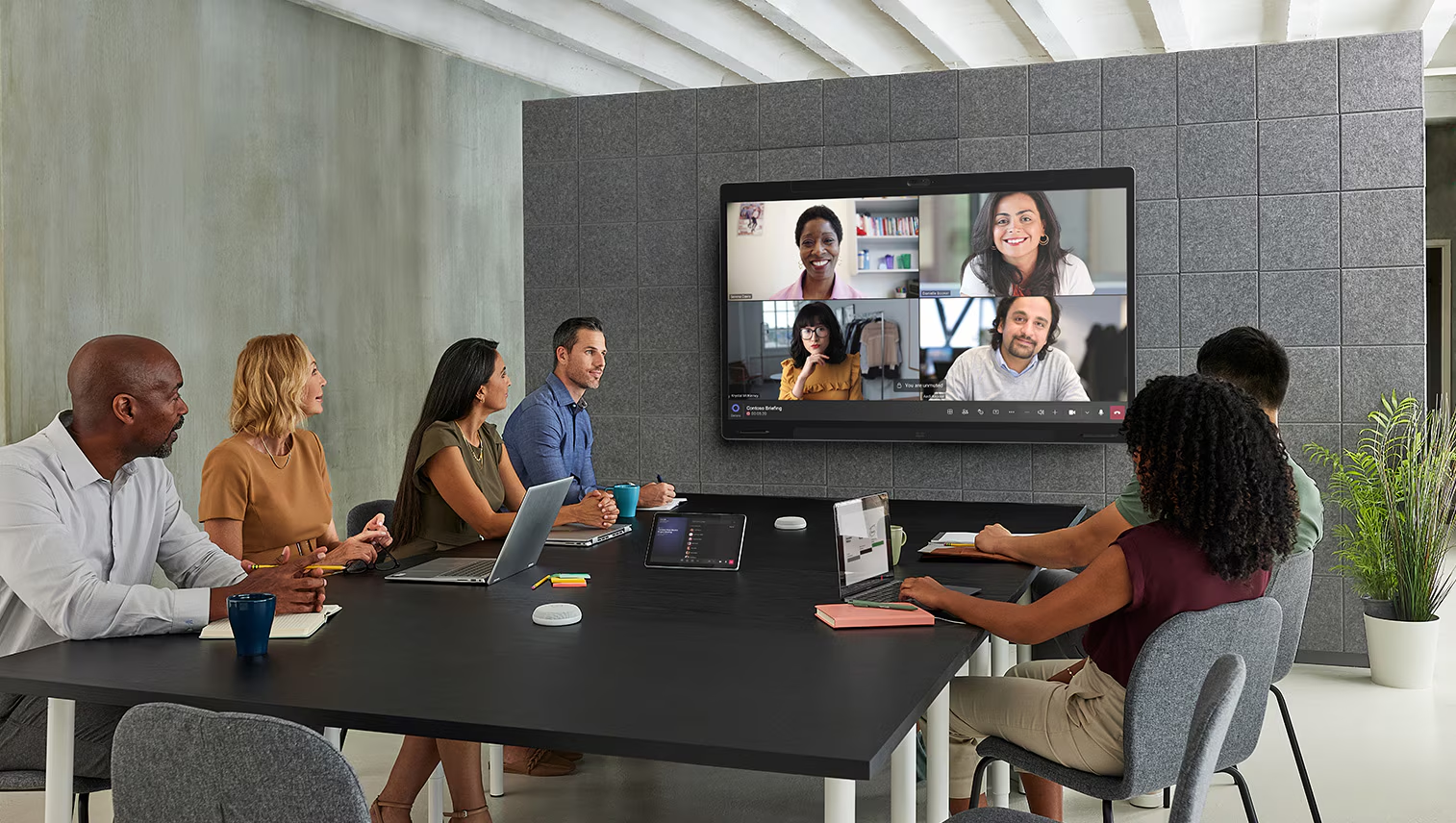
  • Video Conferencing
  • Collaboration Technologies

Automation technologies help teams manage incidents and operational scenarios more consistently.

Technologies may include:
  • Control Systems
  • Workflow Automation
  • Incident Response Presets
  • Escalation Workflows

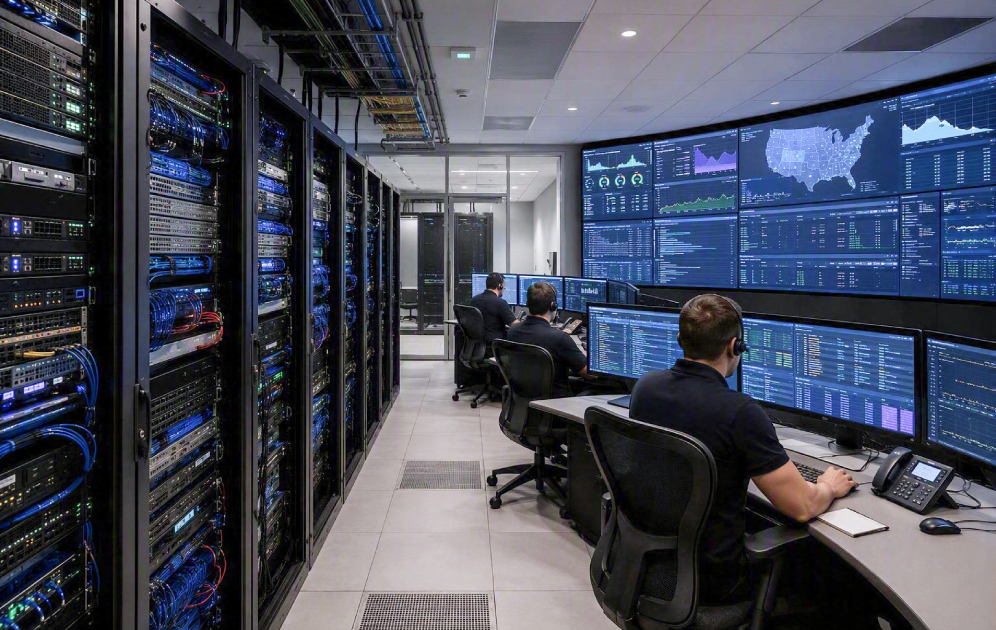
Supporting infrastructure helps maintain availability, security, and long-term reliability.

Technologies may include:
  • AV-over-IP Infrastructure
  • Network Infrastructure
  • Power & UPS Systems
  • Monitoring Platforms
  • Technical Room Infrastructure
Operational Ecosystem

Designed Around Your Security Ecosystem

Security Operations Centers rarely operate as isolated environments. Their effectiveness depends on how security technologies, monitoring platforms, communications systems, visualization tools, and operational workflows work together to support threat detection and coordinated response.

ELTEK Integrate designs SOC environments that align operator workflows, security technologies, incident management processes, and supporting infrastructure into a unified operational environment built around real-world security operations.
Operational ecosystems may include:
  • SIEM & Security Monitoring Platforms
  • Threat Intelligence Platforms
  • EDR & Endpoint Security Tools
  • Network Monitoring Systems
  • Incident Management Platforms
  • Security & CCTV Systems
  • Access Control Systems
  • Video Walls & Visualization Technologies
  • KVM & Signal Management
  • Unified Communications Platforms
Technology Partners

Collaborating With Industry-Leading Technology Manufacturers

AV/IT System Integration

End-to-End Solutions Design by ELTEK Integrate

ELTEK Integrate manages SOC projects end to end, aligning AV, IT, visualization, user workflows, secure source access, communication, room control, infrastructure, and long-term support.

Our approach includes:

  • security workflow and room requirement assessment
  • analyst, supervisor, source, display, room-zone, and escalation mapping
  • video wall, workstation, KVM, AV-over-IP, control, and communication architecture design
  • IT infrastructure, network, rack, power, UPS, cooling, security, and cable management planning
  • coordination with IT, cybersecurity, facility, and operational stakeholders
  • configuration of video wall layouts, source routing, control presets, conferencing modes, and incident scenarios
  • installation, testing, documentation, user guidance, and ongoing support
Value & Differentiation

Why Security Operations Center Design Matters

A Security Operations Center is not only a room with analysts, screens, and dashboards. It is a security workflow environment where visibility, secure access, communication, escalation, ergonomics, infrastructure, and support must work together reliably.

When poorly planned, SOCs can become visually cluttered, difficult to operate, hard to maintain, disconnected from response workflows, or limited by weak infrastructure. When properly integrated, they help teams detect issues faster, coordinate response, maintain focus, and make better decisions with shared security visibility.

ELTEK Integrate brings together AV design, IT infrastructure planning, control room expertise, visualization systems, communication technology, installation resources, and long-term support to deliver Security Operations Centers that are practical, scalable, and aligned with mission-critical security operations.

Security Operations Centers

Typical Use Cases

Security Operations Centers can support a wide range of security monitoring and response scenarios:

Cybersecurity Monitoring

Dedicated environments for monitoring security alerts, dashboards, logs, threat intelligence, and incident queues.

Incident Investigation

Spaces for analysts to review alerts, correlate data, investigate threats, and coordinate response workflows.

Threat Intelligence Visibility

Shared visualization for threat feeds, security trends, risk indicators, attack maps, and intelligence dashboards.

Security Incident Response

Operational environments for escalation, response coordination, stakeholder communication, and decision support.

Physical Security Monitoring

SOC environments that integrate CCTV feeds, access control, alarms, visitor systems, and security operations.

NOC & SOC Collaboration

Connected spaces for network and security teams to coordinate alerts, system performance, cyber incidents, and operational risk.

Executive Security Briefings

Professional environments for leadership updates, risk reporting, incident summaries, and decision-making communication.

Post-Incident Review

Spaces for reviewing timelines, response actions, shared content, recordings, reports, and improvement opportunities.

Frequently Asked Questions

Security Operations Center FAQs

What is a Security Operations Center?

SOC environments commonly include video walls, analyst workstations, KVM systems, security monitoring platforms, incident management tools, unified communications technologies, secure access systems, and supporting IT infrastructure.

A Security Operations Center is specifically focused on security monitoring, threat detection, investigation, and incident response. Command centers often have broader operational responsibilities related to business operations, infrastructure, transportation, utilities, or public safety.

Yes. Many SOC environments integrate cybersecurity monitoring tools alongside CCTV systems, access control technologies, and other physical security platforms to provide broader security visibility.

Effective SOCs depend on visualization, secure access, communication workflows, operator ergonomics, infrastructure resilience, and incident response coordination. Poorly integrated environments can reduce efficiency and slow response workflows.

Yes. Existing environments can often be modernized through upgrades to visualization systems, analyst workstations, communications technologies, control systems, infrastructure, and supporting operational workflows.

Need Additional Information?

If you require additional technical details or project‑specific information, our team is available to provide clarification and guidance.

Our number
+40 21 200 64 55
Contact

Let’s Discuss Your Technology Requirements

Insights & Articles

Insights On Control Rooms & Operations Centers

Is your AV a cybersecurity risk? NIS2 for meeting and control rooms

Is your AV a cybersecurity risk? NIS2 for meeting and control rooms

Every camera, codec and video wall controller on your network is an IT asset. Under NIS2, it is treated like one.
Conference systems for council chambers: a planning guide

Conference systems for council chambers: a planning guide

Every word on the record, every vote counted, every citizen able to follow.
Be the First to Know — Subscribe Today!

Stay up to date with the latest insights, industry trends, company news, upcoming events, and valuable resources delivered directly to your inbox.

 LinkedIn | Youtube | Facebook | InstagramÂ