
















































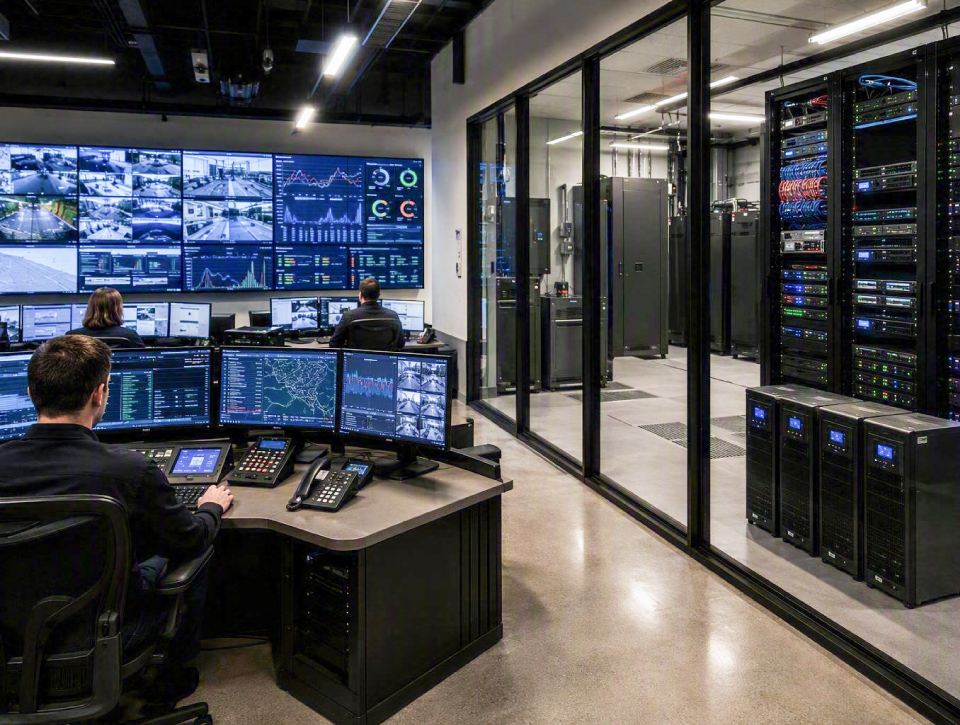
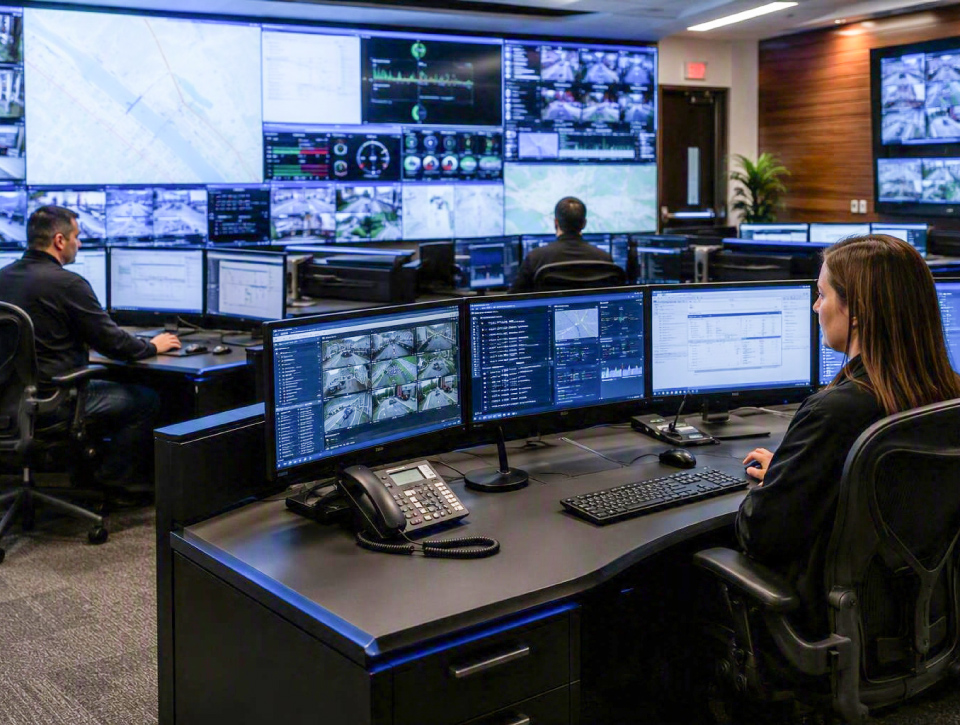

KVM & Signal Management Systems
Homepage >Â Control Rooms & Operations Centers > KVM & Signal Management Systems
Control Room Solutions
KVM & Signal Management for Secure Access to Critical Information
Operators frequently need access to multiple systems, applications, and information sources while maintaining security, visibility, and efficient workflows. As control room environments become more complex, managing access to those systems becomes increasingly important.
Integrate Systems
What Are KVM & Signal Management Solutions?
KVM and signal management solutions allow users to access, switch, route, and manage multiple systems, applications, and information sources from a centralized operational environment while maintaining secure workflows.
- Simplify operator access
- Improve source management
- Support secure operational workflows
Operational Benefits
Why Organizations Choose KVM & Signal Management Solutions
Faster Access to Critical Systems
Enable operators to access multiple computers, applications, and operational platforms from a single workstation.
Improved Operational Efficiency
Reduce switching complexity and help users focus on operational tasks rather than technology management.
Better Source Visibility & Sharing
Route critical information between operators, video walls, supervisors, and collaboration environments as operational needs change.
Secure & Scalable Architectures
Support controlled access, centralized management, and future expansion without redesigning the entire environment.
Technologies That Power KVM & Signal Management Environments
KVM and signal management environments combine source access technologies, signal distribution platforms, networking infrastructure, and operational workflows to create secure and scalable operational environments.
KVM systems provide centralized access to computers, servers, and operational platforms without requiring local equipment at every workstation.
Technologies may include:
- KVM Systems
- KVM Extenders
- KVM Matrix Switching
- Secure Access Platforms
Signal management platforms ensure operational information reaches the right users and displays.
- Signal Distribution Systems
- Source Routing Technologies
- Multi-Screen Distribution
- Display Management Platforms
Network-based architectures support scalable distribution of video, audio, USB, and control signals.
- AV-over-IP Platforms
- Network Video Transport
- Distributed Signal Architectures
- IP-Based Switching Solutions
Source management technologies help organize operational data and improve visibility.
- Source Management Platforms
- Dashboard Integration
- Video Wall Source Routing
- Operational Data Visualization
KVM environments should align with how operators work throughout the room.
- Operator Workstation Integration
- USB & Peripheral Management
- Control Interfaces
- Local Display Technologies
Supporting technologies help ensure reliability, security, and long-term scalability.
- Network Infrastructure
- Rack & Equipment Room Design
- Redundancy Planning
- Monitoring & Support Platforms
Technology Partners
Collaborating With Industry-Leading Technology Manufacturers


AV/IT System Integration
End-to-End Solutions Design by ELTEK Integrate
ELTEK Integrate manages KVM and signal management projects end to end, aligning operator workflows, source access, AV, IT, network infrastructure, security requirements, equipment placement, control, and long-term support.
Our approach includes:
- workflow assessment and technical planning
- source, user, and display mapping
- KVM architecture design based on access needs, roles, and security requirements
- AV-over-IP or signal distribution planning
- integration with video walls, operator workstations, technical rooms, and collaboration spaces
- network, rack, power, UPS, cooling, labeling, and cable management planning
- configuration of user permissions, source routing, presets, and control interfaces
- installation, testing, user guidance, documentation, and ongoing support
Value & Differentiation
Why KVM & Signal Management Design Matters
KVM and signal management are not just technical switching systems. They define how operators access systems, share information, escalate incidents, and maintain control over complex operational environments.
When poorly planned, these systems can create confusion, access delays, security gaps, signal instability, or cluttered workstations. When properly integrated, they help teams work faster, reduce technical friction, improve source visibility, and maintain a cleaner, more secure control room environment.
ELTEK Integrate brings together AV design, IT integration, control room planning, KVM architecture, signal management expertise, installation resources, and long-term support to deliver solutions that are practical, scalable, and aligned with mission-critical workflows.
KVM & Signal Management
Typical Use Cases
KVM and signal management can support a wide range of mission-critical operational scenarios:
Multi-System Operator Access
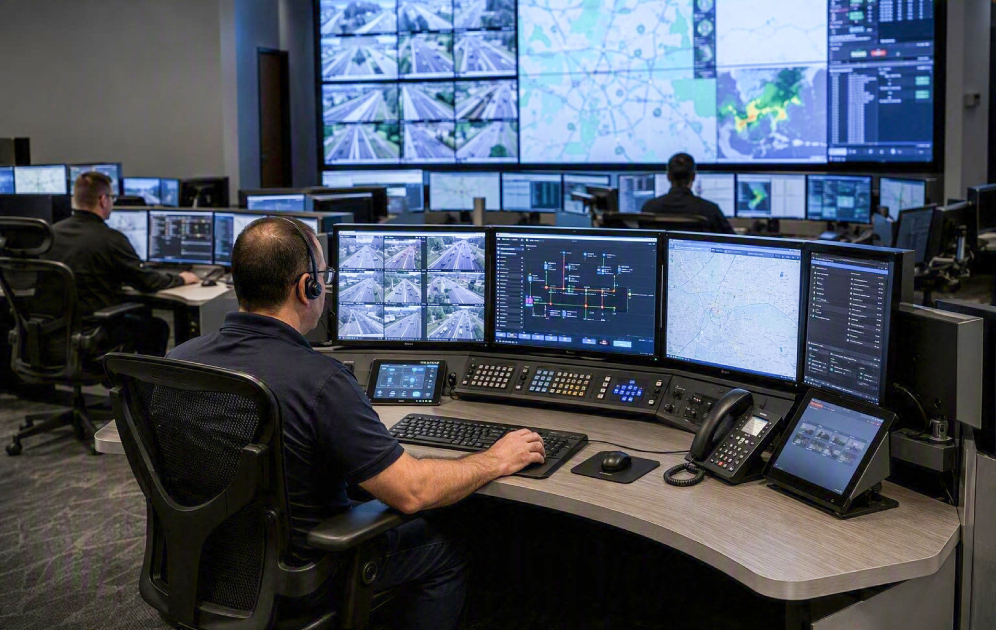
Operators can access multiple computers, servers, dashboards, and applications from one organized workstation.
Control Room Source Routing
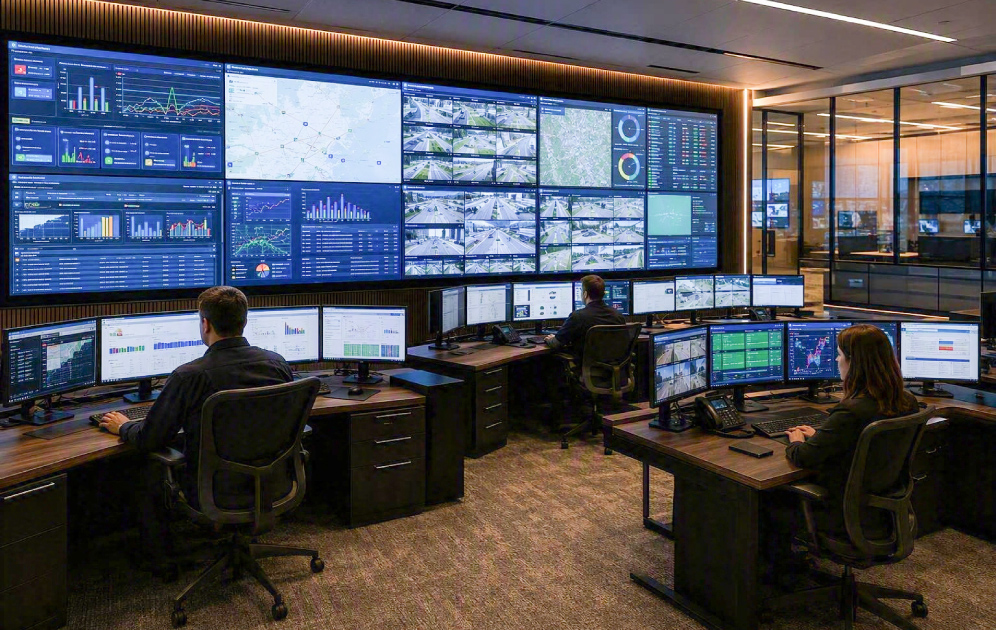
Operational sources can be routed between operator desks, video walls, supervisor positions, and collaboration areas.
NOC & SOC Workflows
Network and security teams can access monitoring platforms, dashboards, alerts, and incident tools from secure operator positions.
Security Monitoring Centers
Operators can manage CCTV systems, access control, alarms, recording platforms, and incident sources more efficiently.
SCADA & Industrial Operations
Industrial and utilities teams can access control systems, monitoring platforms, alarms, and infrastructure data securely.
Video Wall Source Sharing
Critical sources can be moved from operator screens to shared video walls for team awareness and incident coordination.
Equipment Room Centralization
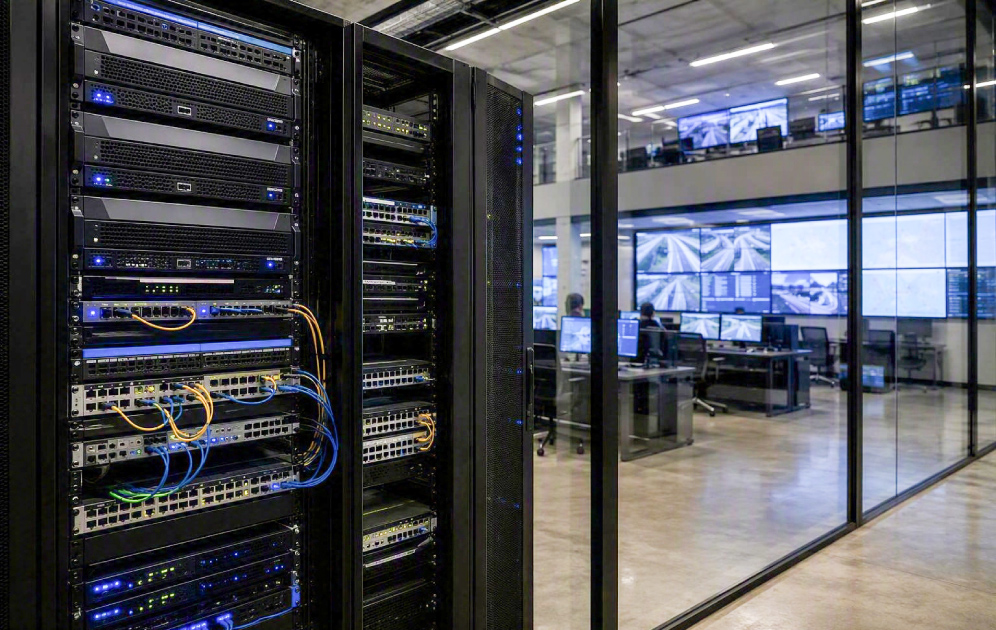
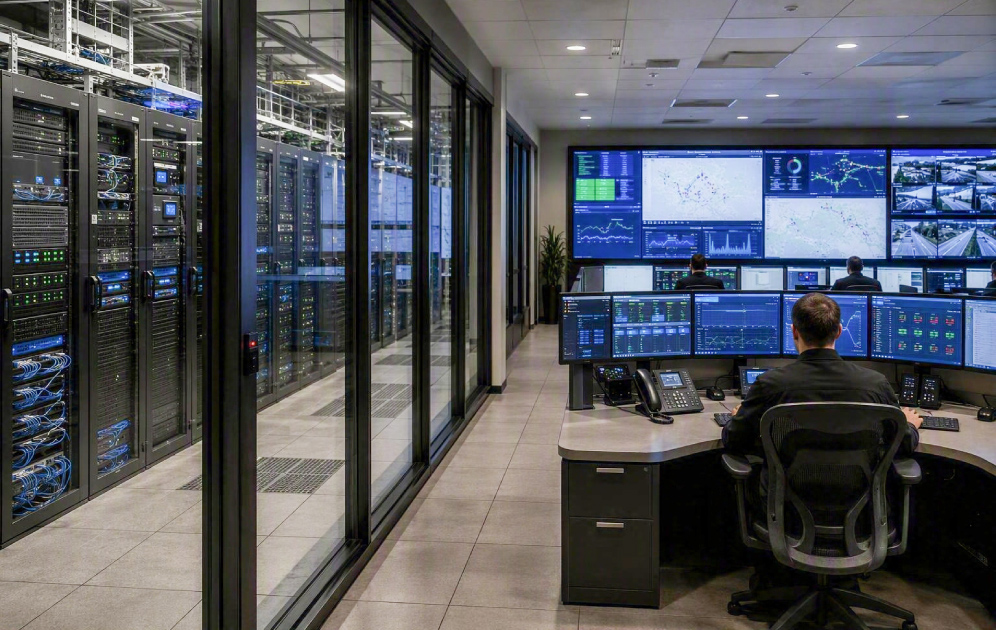
Computers and technical equipment can be located in racks or technical rooms while operators maintain full access.
Secure Access Management
Access to systems can be organized by user roles, source permissions, operational workflows, and security policies.
Frequently Asked Questions
KVM & Signal Management FAQs
What is a KVM system?
A KVM (Keyboard, Video, Mouse) system allows users to access and control multiple computers, servers, and operational platforms from a single workstation without physically moving between systems.
What is signal management?
Signal management refers to the routing, switching, distribution, and control of video, audio, USB, and operational data throughout a control room environment.
What are the benefits of KVM in a control room?
KVM systems help reduce workstation clutter, improve operational efficiency, provide secure system access, simplify source management, and support faster response during monitoring and incident workflows.
How does KVM work with video walls?
What is the difference between KVM and AV-over-IP?
KVM focuses on user access and control of systems, while AV-over-IP focuses on the distribution of video, audio, USB, and control signals over network infrastructure. Many modern environments combine both technologies within a single architecture.
Need Additional Information?
If you require additional technical details or project‑specific information, our team is available to provide clarification and guidance.
Our number
+40 21 200 64 55
Our Email
Contact
Let’s Discuss Your Technology Requirements
Insights & Articles
Insights On Control Rooms & Operations Centers
Is your AV a cybersecurity risk? NIS2 for meeting and control rooms
Every camera, codec and video wall controller on your network is an IT asset. Under NIS2, it is treated like one.
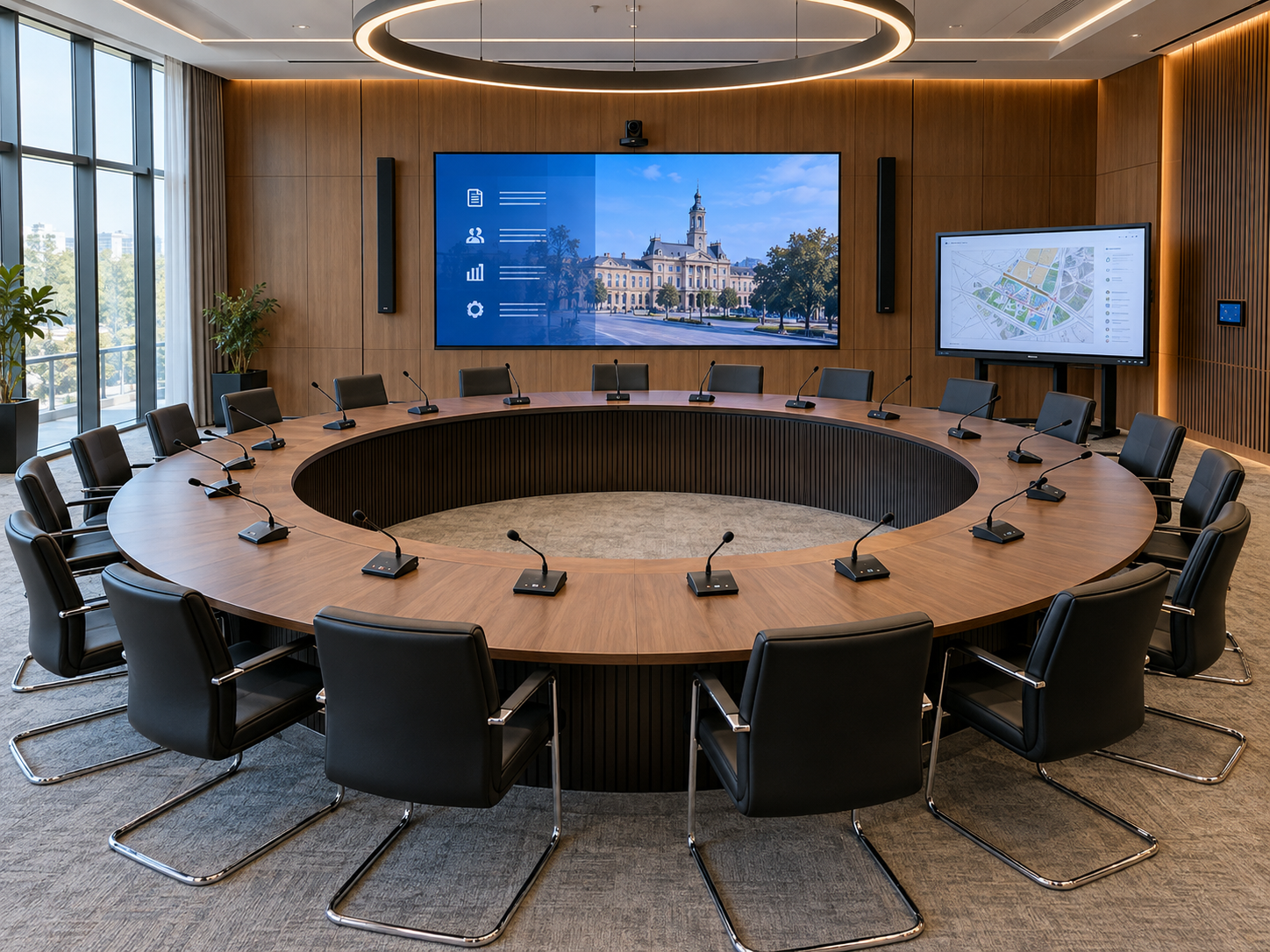
Conference systems for council chambers: a planning guide
Every word on the record, every vote counted, every citizen able to follow.
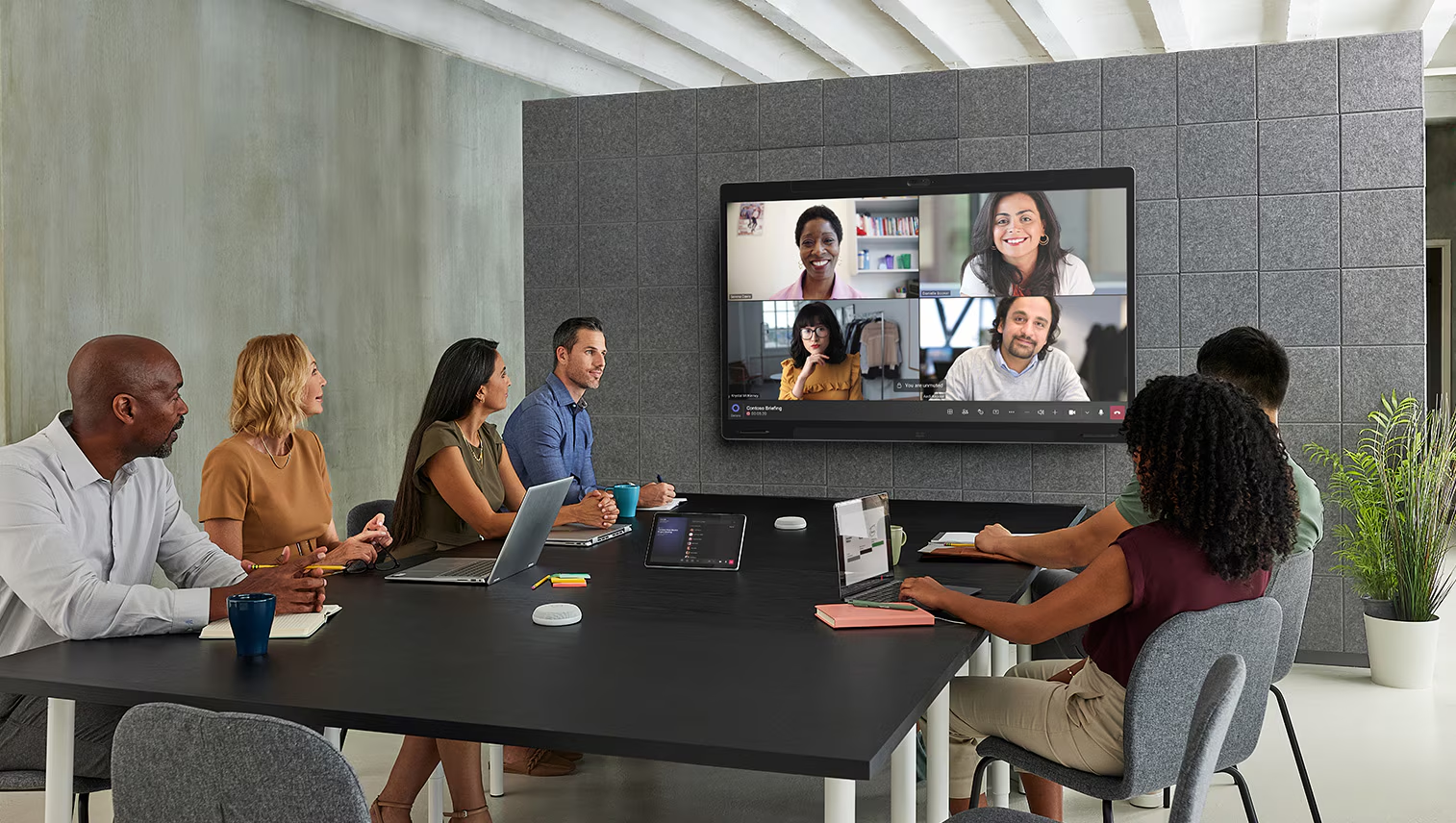
Why meeting rooms fail users: a 10-point technology checklist
Most room failures start at the design stage.
Be the First to Know — Subscribe Today!
Stay up to date with the latest insights, industry trends, company news, upcoming events, and valuable resources delivered directly to your inbox.
 LinkedIn | Youtube | Facebook | InstagramÂ